How GM is trying to talk used car shoppers into buying new vehicles
Source Entity
US Top News and Analysis
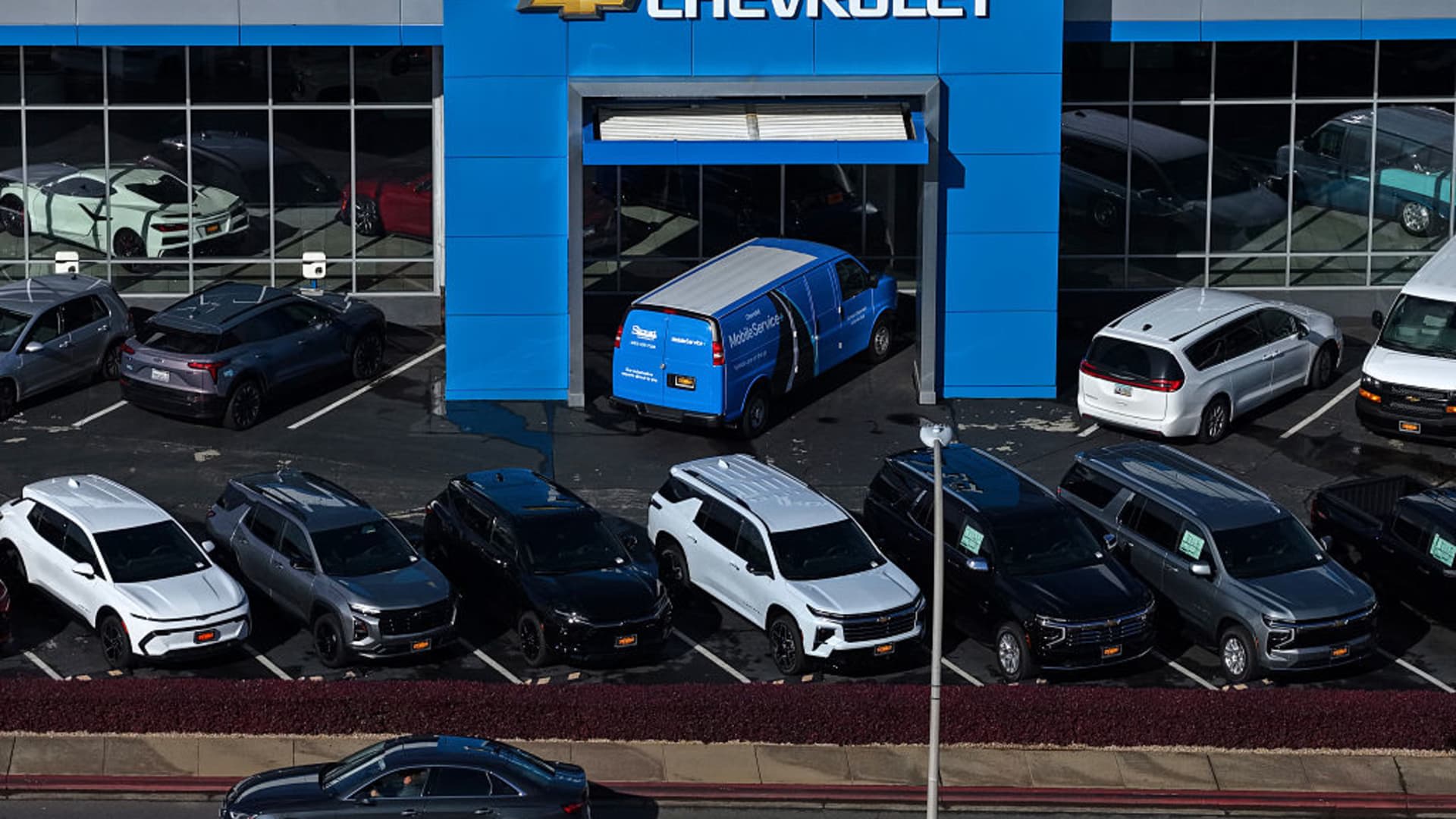
General Motors and other automakers are leveraging digital strategies to convert potential used car buyers into new vehicle customers. This shift aims to recapture market share lost to online competitors like Carvana and CarMax.
The Strategic Pivot: GM’s Approach to Automotive Retail
General Motors and other major automakers are currently navigating a complex shift in consumer behavior, attempting to convert shoppers initially interested in certified pre-owned vehicles into buyers of new models. As industry experts like Ivan Feinseth of Tigress Financial Partners note, the automotive sector has historically lagged in digital retail adoption, but technological advancements are forcing a rapid transformation. This initiative is not merely about sales volume; it is a calculated effort to optimize profitability and regain control over the customer journey.
The Profitability Tug-of-War
There is a fundamental tension between the incentives of automakers and their dealership networks. While automakers prioritize the higher profit margins associated with new vehicle sales, local dealerships often find significant value in the high-demand used car market, particularly through trade-ins. However, the rise of digital-first retailers like Carvana and CarMax has disrupted this ecosystem. These platforms have streamlined the used car buying process, forcing traditional dealers to rethink how they capture and retain potential buyers before they reach third-party websites.
Digital Transformation and Market Competition
Technology and mobile applications have fundamentally altered the retail landscape, and the automotive industry is finally playing catch-up. Automakers are now investing heavily in digital tools designed to provide a seamless shopping experience that rivals the convenience of pure-play online retailers. By integrating these tools directly into the dealership experience, brands like GM hope to influence the buyer’s decision-making process in real-time, providing compelling financial or feature-based arguments for choosing a new vehicle over a used one.
The Impact of Competitive Pricing
Used car prices remain robust, which complicates the automakers' goal of upselling new models. When the price gap between a late-model used vehicle and a new one narrows, consumers are often more receptive to the benefits of a new purchase, such as factory warranties, the latest technology, and lower maintenance risks. Automakers are leaning into these value propositions to shift consumer demand, effectively using the strength of the used car market to highlight the comparative advantages of their latest inventories.
Future Trends in Automotive Sales
Looking ahead, the line between the new and used car markets will continue to blur as automakers push for deeper integration of online sales pipelines. We can expect to see more sophisticated data analytics being used to identify and intercept potential customers before they commit to a used vehicle. This transition represents a broader trend in the industry—the movement toward a unified, digital-centric retail model that prioritizes the automaker’s direct relationship with the consumer.
Conclusion
Ultimately, GM’s strategy serves as a blueprint for how legacy manufacturers are attempting to reclaim their territory from agile tech-driven competitors. By leveraging technology to sway the decision-making process at the point of entry, automakers are attempting to secure the higher margins of new car sales while maintaining a competitive stance in the broader automotive retail environment. This evolution reflects the necessity of digital adaptation in an era where consumer expectations are dictated by the convenience of online retail.