GM vs. Ford: U.S. defense, energy sectors add to automakers' century-old rivalry
Source Entity
US Top News and Analysis
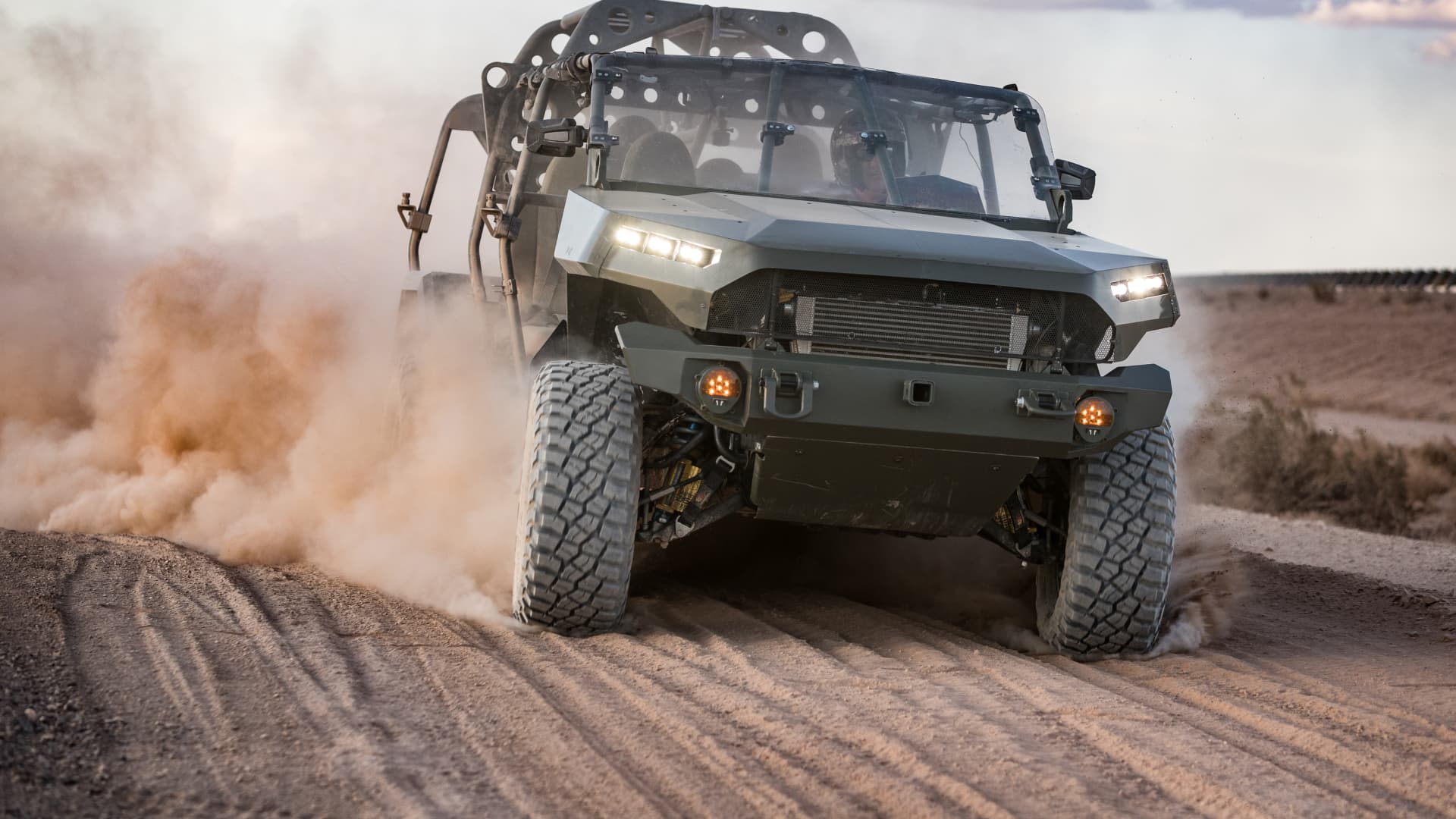
General Motors and Ford are expanding their century-old rivalry into the defense and energy sectors. Both automakers are pursuing U.S. military contracts and energy storage initiatives to drive future growth.
The Evolution of a Century-Old Rivalry
General Motors (GM) and Ford Motor Company have defined the American automotive landscape for over a hundred years. Their competition has historically centered on consumer vehicle sales, racing dominance, and manufacturing efficiency. However, as the automotive industry faces a pivotal transition toward electrification and autonomous technology, these legacy giants are pivoting toward unconventional growth sectors, specifically the U.S. defense industry and the national energy grid.
Entering the Defense Sector
The strategic shift toward defense contracting represents a significant diversification for both companies. GM has already established a footprint in this space through its GM Defense unit, which engineered the Infantry Squad Vehicle based on the robust Chevrolet Colorado ZR2 architecture. This move leverages existing automotive engineering expertise to meet stringent military specifications, proving that consumer-grade platforms can be adapted for tactical environments. Following the Trump administration’s call for private sector assistance in national defense manufacturing, Ford has joined this effort, signaling a new era where domestic automakers serve as critical partners for the U.S. military.
Diversification into Energy Storage
Beyond the battlefield, both companies are looking to capitalize on the burgeoning energy storage market. As the power grid becomes increasingly complex due to the integration of renewable energy sources, the demand for large-scale battery systems is skyrocketing. By applying the same mass-manufacturing techniques used for electric vehicle (EV) batteries to the energy sector, GM and Ford are positioning themselves as essential players in the transition toward a more resilient and sustainable national energy infrastructure.
The Strategic Rationale
Why move into these sectors now? The automotive market is becoming increasingly crowded and commoditized. By securing long-term defense contracts and entering the utility-scale energy storage market, both Ford and GM are creating diversified revenue streams that are less susceptible to the cyclical nature of consumer vehicle sales. This diversification is essential for funding the massive capital expenditures required for their ongoing transition to fully electric vehicle lineups.
Future Outlook and Industry Implications
Looking ahead, the rivalry between GM and Ford will likely intensify in these new domains. As they compete for government tenders and energy infrastructure projects, their ability to scale manufacturing will be the primary differentiator. If successful, these companies will transform from simple automakers into multi-industry conglomerates that act as the backbone of both the nation’s defense logistics and its energy storage capabilities, marking a fundamental shift in their corporate identities.