GOBARdhan scheme: How India plans to turn cattle dung, crop waste & garbage into fuel
Source Entity
YASHASVI VASISTHA
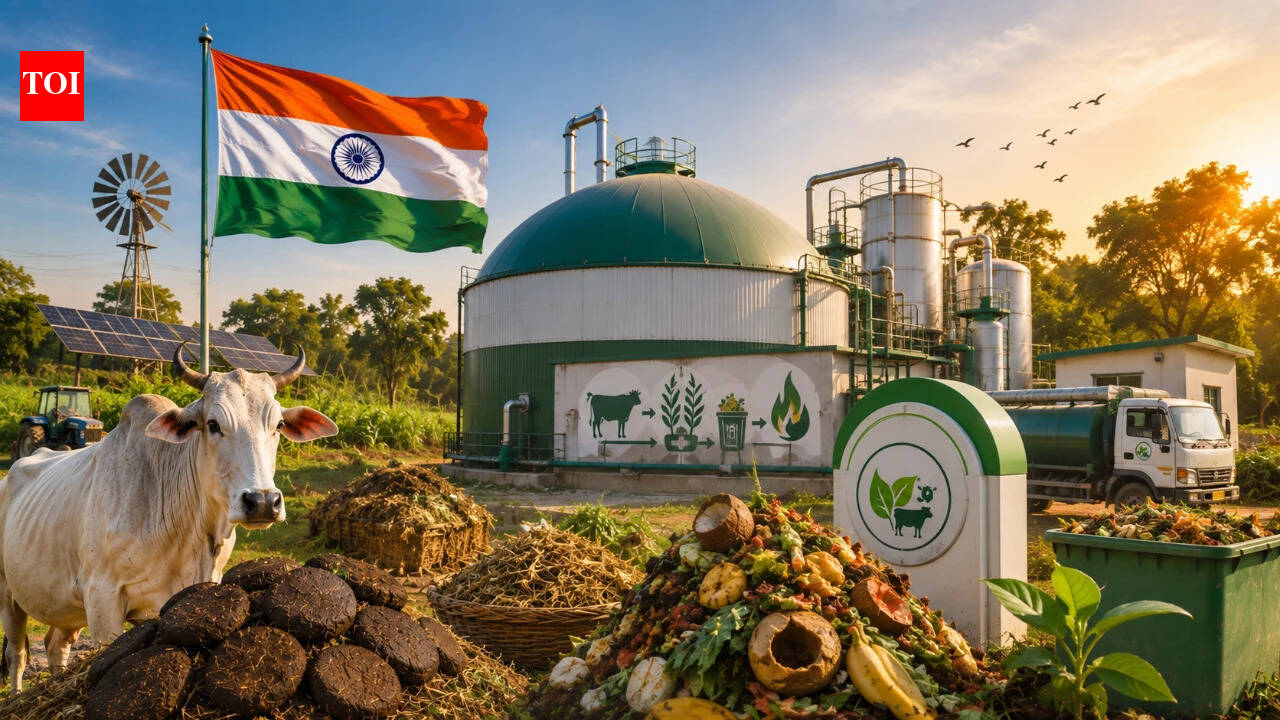
India's GOBARdhan scheme is a strategic initiative to scale compressed biogas production by converting organic waste into energy. Through capital assistance and infrastructure support, the government aims to bolster rural development and energy security.
The Strategic Transformation of India’s Bioenergy Landscape
India has officially repositioned the GOBARdhan scheme as the primary national framework for the compressed biogas (CBG) industry. By targeting a ten-fold growth in production, the government seeks to solve two systemic issues simultaneously: the management of agricultural residue and cattle dung, and the nation's heavy reliance on imported fossil fuels. This initiative represents a sophisticated push to formalize an industry that has previously struggled with commercial viability.
Overcoming Historical Bottlenecks
Previous attempts to standardize CBG production in India faced significant hurdles, primarily regarding supply chain consistency and market access. The newly upgraded Rs 23,731-crore scheme addresses these failures by creating a comprehensive ecosystem. By introducing a stable pricing mechanism, the government removes the volatility that historically discouraged private investment, ensuring that producers can forecast revenue streams with greater certainty.
Infrastructure and Financial Support
Central to this program is the provision of robust capital assistance and credit guarantees, which lower the barriers to entry for entrepreneurs. A critical innovation is the development of pipelines designed to connect production plants directly with buyers, effectively bridging the logistical gap that previously stranded supply. Additionally, the creation of a district-level ecosystem fund ensures that localized waste collection—the lifeblood of any biogas operation—is financially supported and operationally integrated.
Empowering the Rural Economy
For the Indian farmer, GOBARdhan is not merely an energy project but an economic empowerment tool. By converting agricultural residue and cattle waste into a marketable commodity, farmers gain a new revenue stream. This shift transforms waste from a disposal burden into a valuable asset, potentially revitalizing rural micro-economies and fostering a circular economy model that emphasizes sustainability.
Future Trends and Energy Security
As India scales its CBG capacity, the broader implication is a significant strengthening of national energy security. By diversifying the energy mix to include domestically produced bio-methane, India reduces its vulnerability to global energy price shocks. If the current framework succeeds in stabilizing the production process, it will likely serve as a blueprint for other emerging economies looking to reconcile agricultural waste management with the urgent need for renewable energy transitions.