Powerball jackpot climbs to $1 billion. What you'd pocket after taxes, and what to do with the rest.
Source Entity
Yahoo Finance
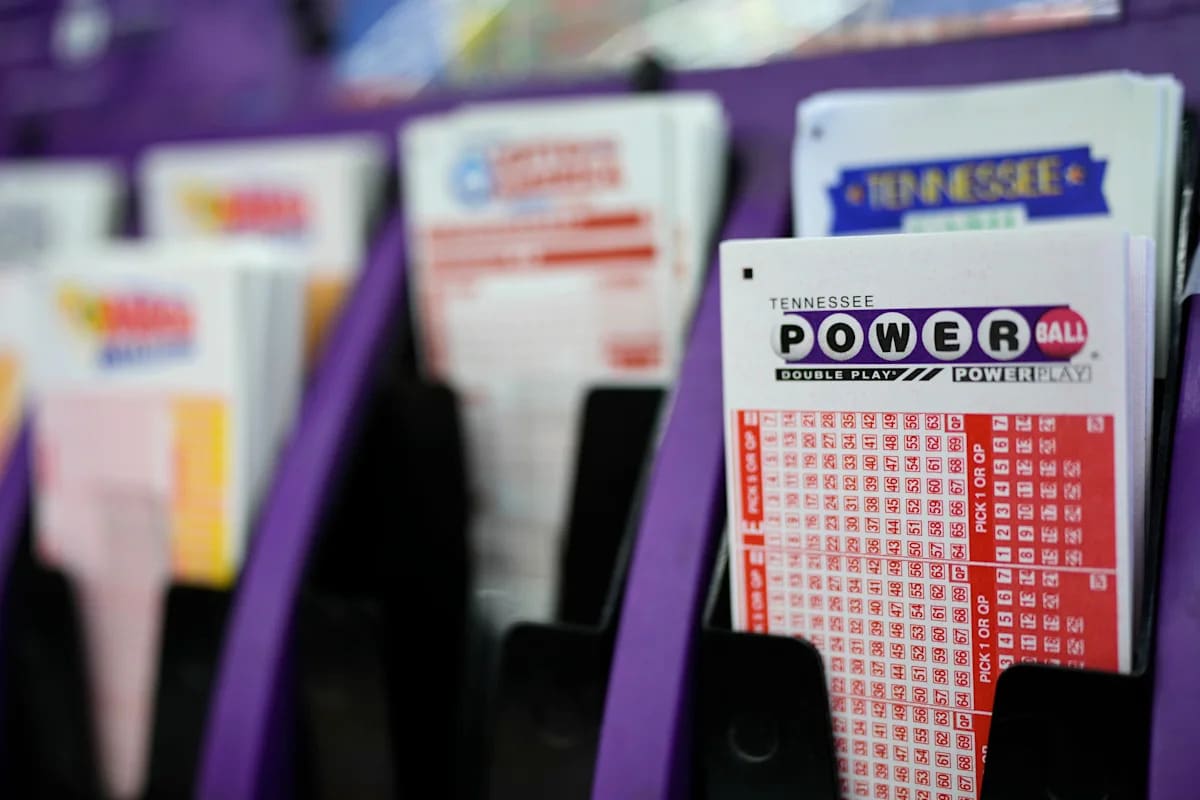
The Powerball jackpot has surged to $1 billion following 43 consecutive drawings without a winner. Players face daunting 1 in 292.2 million odds as they choose between an annuity or a $433.1 million lump sum payout.
The $1 Billion Powerball Surge: An Analysis of Risk and Reward
The Powerball jackpot has reached a staggering $1 billion milestone, a figure that follows a historic dry spell of 43 consecutive drawings without a jackpot winner. This immense accumulation of prize money underscores the mathematical difficulty of the game, as the odds of securing the top prize remain fixed at an incredibly slim 1 in 292.2 million. As the next drawing scheduled for Wednesday, August 12 approaches, public interest has surged, reflecting the psychological allure of life-altering wealth.
The Mechanics of the Payout
When a player hits the jackpot, they are presented with two distinct financial paths: an annuity paid out over 30 years or a lump sum cash payment. For the current $1 billion prize, the lump sum is calculated at $433.1 million. While the annuity offers the full headline amount over three decades, the vast majority of lottery winners historically opt for the immediate lump sum payout, prioritizing current liquidity over the total potential value of the prize.
Taxation and Financial Reality
Taxation plays a critical role in determining the actual take-home value of a lottery windfall. Because the IRS treats lottery prizes as taxable income, the winner's choice of payment structure significantly alters their tax liability. The lump sum is taxed at the highest federal bracket, and state taxes may further reduce the final amount. Understanding these fiscal implications is essential for any winner to avoid the "lottery curse," where rapid spending leads to financial insolvency.
Strategic Wealth Preservation
Winning such a massive sum requires a disciplined approach to asset management. Financial experts typically emphasize the importance of assembling a team consisting of a tax attorney, a certified financial planner, and a fiduciary advisor. The goal is to move from a state of "windfall wealth" to a sustainable long-term investment strategy that protects the principal while generating consistent returns.
The Odds and the Psychology of Play
From a statistical perspective, the 1 in 292.2 million odds represent a near-impossibility for the individual player. However, the accumulation of the jackpot serves as a powerful marketing tool for state-run lotteries, driving ticket sales through the sheer scale of the potential reward. This cycle of rollover drawings highlights how lottery systems are designed to maximize revenue through the public's fascination with extreme, low-probability outcomes.
Conclusion: A Measured Perspective
As the August 12 drawing approaches, participants should maintain a realistic view of their chances. While the $1 billion figure is undeniably transformative, the path to claiming and managing such a prize is fraught with complex tax hurdles and financial risks. Whether one views the lottery as a form of entertainment or a genuine investment strategy, the stark reality of the odds remains the most important factor for every ticket holder to consider.