'Godzilla El Niño' is wreaking havoc with Philippine central bank's inflation forecasts
Source Entity
US Top News and Analysis
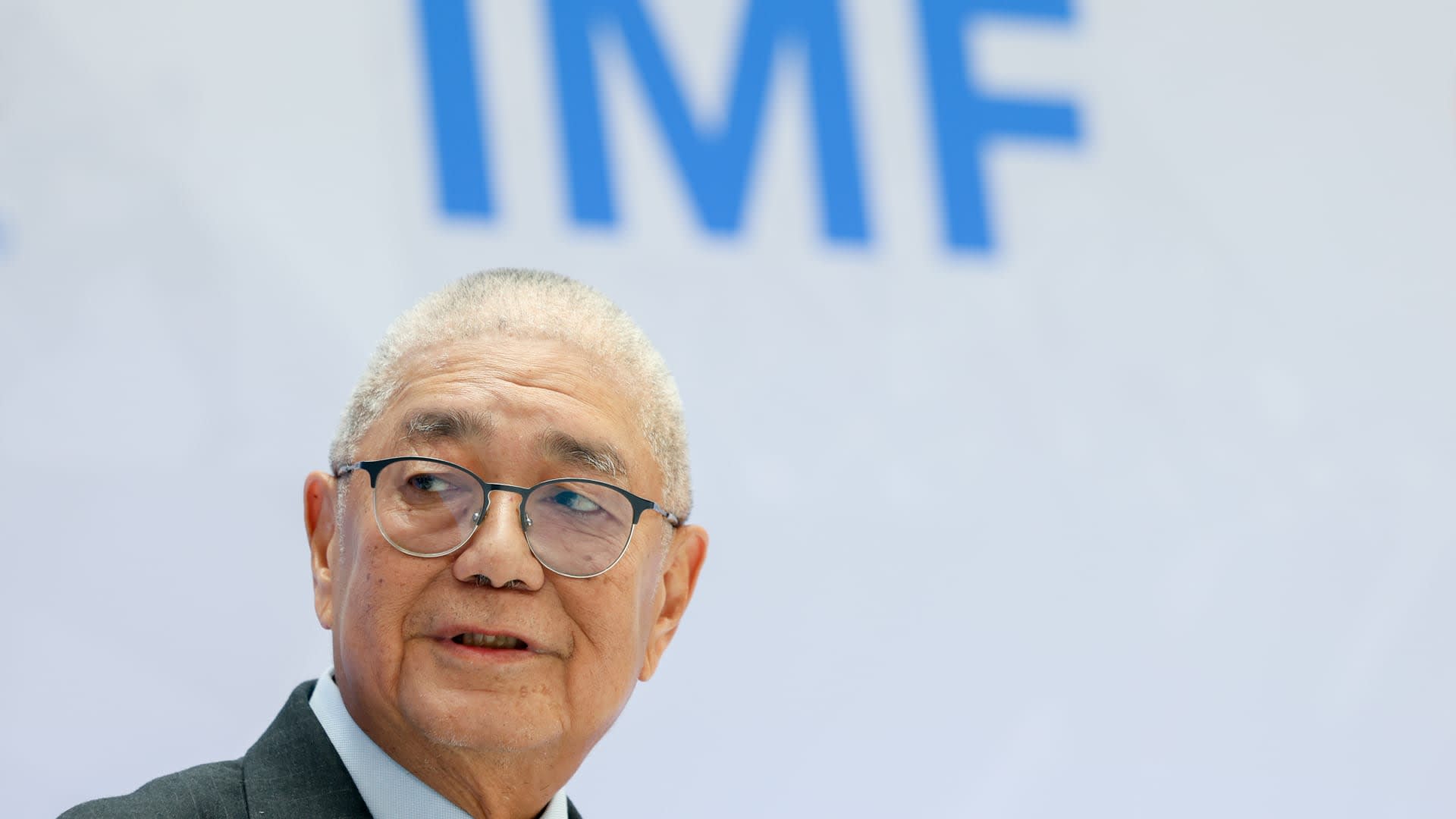
The Bangko Sentral ng Pilipinas is adjusting its monetary policy to combat inflation, now factoring in the compounding risks of a severe 'Godzilla' El Niño and persistent oil price shocks. Governor Eli Remolona emphasized that these extreme weather scenarios are critical to stabilizing the nation's economy.
The Convergence of Climate and Economic Instability
The Philippine economy is currently navigating a precarious intersection of climatic volatility and global energy market instability. Bangko Sentral ng Pilipinas (BSP) Governor Eli Remolona has signaled a paradigm shift in how the central bank approaches monetary policy, moving away from standard forecasting models toward complex scenario planning that accounts for a so-called 'Godzilla' El Niño alongside a prolonged oil shock. This strategic pivot reflects the escalating challenge of managing inflation, which has reached three-year highs and threatens to undermine the nation's growth trajectory.
Defining the 'Godzilla' El Niño Threat
Unlike standard El Niño cycles, which are historically associated with periodic drought and agricultural disruption, a 'Godzilla' event implies a level of severity that can paralyze food production and distribution networks. For an economy like the Philippines, where agriculture remains a significant component of the GDP and a primary driver of the Consumer Price Index (CPI), the impact of such extreme weather is not merely an environmental concern but a core macroeconomic risk. The BSP’s focus on this variable underscores the reality that climate change is now a fundamental factor in central bank decision-making.
The Double Burden of Energy and Weather
The complexity of the current situation is compounded by global oil shocks. Because the Philippines is a net importer of fuel, it remains highly vulnerable to international price volatility. When an intense El Niño occurs simultaneously with high energy costs, it creates a 'cost-push' inflationary environment. Higher fuel prices increase transport and production costs, while the agricultural strain caused by the weather event limits supply, creating a dual-pressure scenario that makes the BSP's mandate to maintain price stability exceptionally difficult.
Strategic Policy Adjustments
Governor Remolona’s remarks during the IMF and World Bank meetings highlight the necessity of adaptive policy frameworks. By explicitly incorporating these 'really, really bad' weather scenarios into their policy models, the BSP is attempting to get ahead of the curve. This shift suggests that the central bank is prepared to be more aggressive or cautious with interest rate adjustments depending on how these exogenous variables interact, moving beyond traditional data sets to include predictive climate modeling.
Broader Economic Implications
Looking forward, the Philippines’ approach may serve as a blueprint for other emerging markets facing similar climate-related economic threats. As global temperatures rise, the frequency of extreme weather events is expected to increase, likely necessitating a permanent change in how monetary authorities calculate inflation risks. If the BSP successfully manages this period of volatility, it will demonstrate that proactive, climate-informed monetary policy is an essential tool for maintaining financial resilience in the 21st century.
Conclusion
Ultimately, the Philippine central bank is grappling with a multi-front battle against inflation. By treating the 'Godzilla' El Niño as a primary economic variable rather than a peripheral concern, Governor Remolona is acknowledging the harsh reality of modern climate economics. The success of these policies will depend on the government's ability to balance these external shocks with domestic fiscal efforts to protect the most vulnerable sectors of the economy.