Bihar’s new rail line to let freight trains bypass Patna, ease pressure on Delhi-Howrah route
Source Entity
Anish Mondal
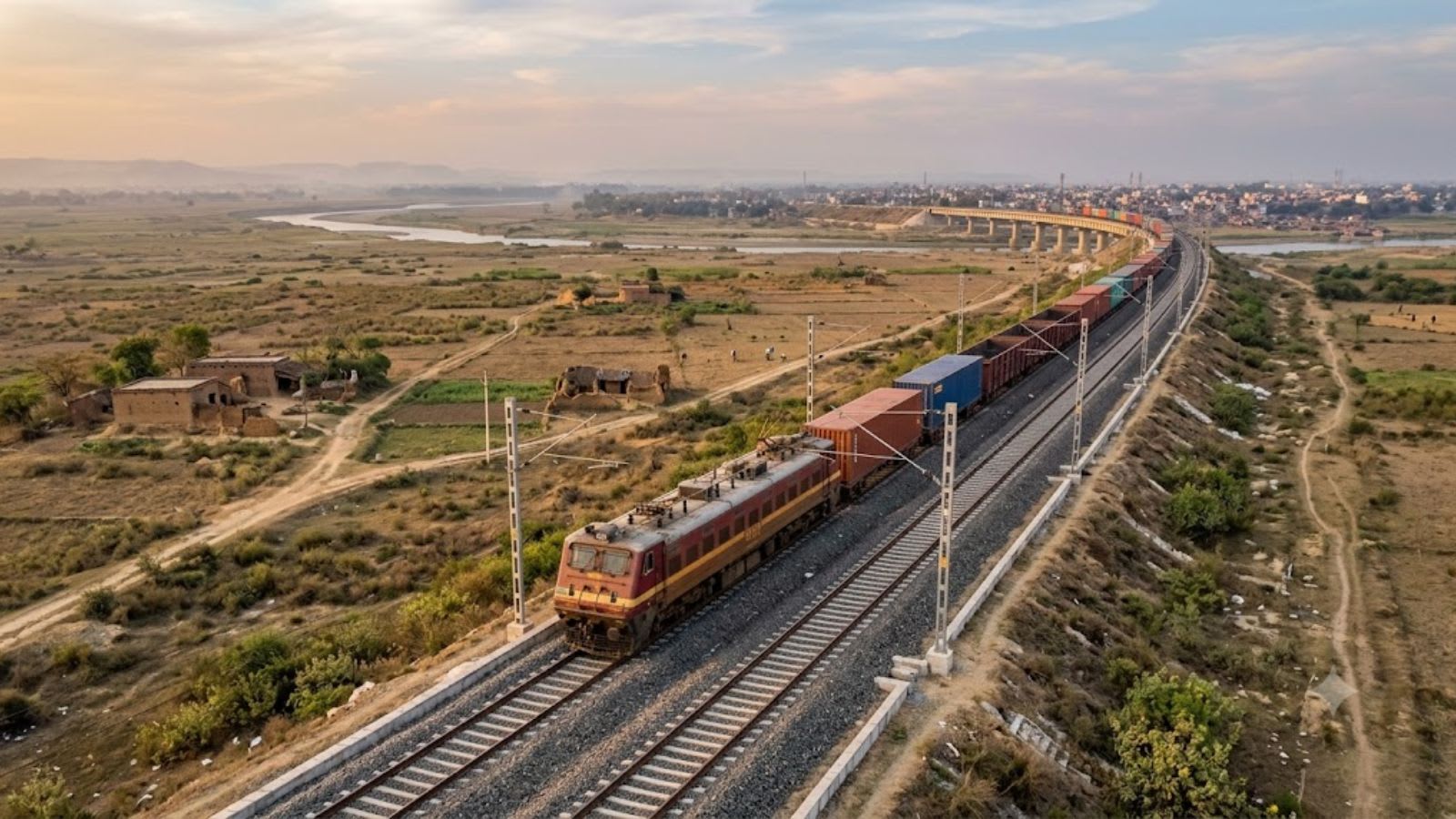
Indian Railways is advancing freight infrastructure with the proposed 2,052-km Dankuni-Surat Dedicated Freight Corridor and the operationalization of the Neora-Jat Dumri line in Bihar. These initiatives aim to bypass congested hubs, improve east-west connectivity, and enhance overall logistics efficiency across the national network.
Transforming India's Freight Logistics: Strategic Rail Advancements
Indian Railways is currently undergoing a structural transformation in its freight logistics framework, aimed at decoupling heavy freight movement from passenger-dense corridors. The recent focus on the Dankuni-Surat Dedicated Freight Corridor (DFC) and the commissioning of the Neora-Jat Dumri line represent a dual-pronged strategy to modernize the nation's supply chain infrastructure. By prioritizing these projects, the Ministry of Railways seeks to reduce transit times and operational bottlenecks that have historically plagued the movement of goods across the country.
The Strategic Importance of the Dankuni-Surat DFC
The proposed 2,052-km Dankuni-Surat Dedicated Freight Corridor, unveiled in the Union Budget 2026-27 by Finance Minister Nirmala Sitharaman, is a landmark initiative for east-west connectivity. Unlike traditional tracks that are shared with passenger trains, the DFC is designed to prioritize high-speed, heavy-haul freight movement. The involvement of the Gati Shakti Directorate ensures that the alignment is not merely a path of least resistance, but a data-driven integration of infrastructure that aligns with current industrial requirements and regional logistics demands.
Decongesting the Delhi-Howrah Arteries
The completion of the 20-km Neora-Jat Dumri rail line in Bihar serves as a critical tactical success in this broader strategy. By securing Commissioner of Railway Safety (CRS) approval following successful 120 kmph speed trials, the East Central Railway (ECR) has effectively created a bypass around the Patna junction. This is significant because the Delhi-Howrah route remains one of the most congested corridors in the Indian rail network; removing freight traffic from this path allows for better schedule adherence for passenger trains and increases the total throughput of the network.
Integrated Planning and Future Implications
The synergy between the Gati Shakti Directorate’s oversight of the Dankuni-Surat corridor and the localized success of the Neora-Daniyawan project highlights a shift toward integrated infrastructure planning. By utilizing bypass routes, the railways are addressing the 'last-mile' and 'mid-mile' challenges that contribute to systemic delays. As these corridors mature, they will likely become the backbone of India's industrial hubs, enabling faster movement of raw materials and finished goods from eastern industrial clusters to western ports.
Economic and Logistical Outlook
Looking ahead, the successful implementation of these projects will likely result in a reduction in the logistical costs associated with road-to-rail shifts. The ability to bypass major urban centers like Patna not only eases congestion but also reduces the wear and tear on existing urban rail infrastructure. As the Railway Board continues to examine the alignment for the Dankuni-Surat corridor, the focus will remain on balancing economic feasibility with the urgent need for a high-capacity, dedicated freight network that can sustain the growing demands of the Indian economy.