Gold on Dhanteras: 60% return in 2025, 13% in 2026; what outlook for next year?
Source Entity
SMRITI JAIN
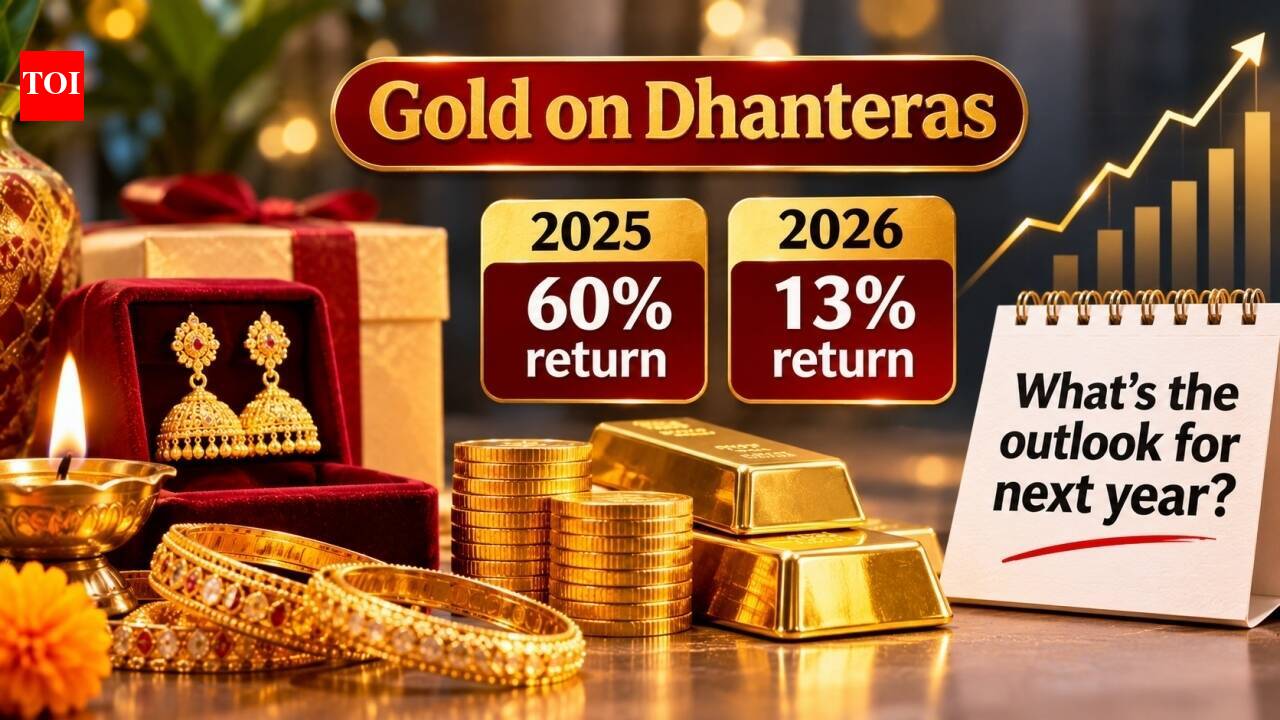
As gold prices experience significant volatility following a historic 2025 rally, investors are re-evaluating their strategies for Dhanteras. Experts suggest shifting toward digital alternatives like ETFs to balance traditional sentiment with modern financial planning.
The Changing Landscape of Gold Investments
For many in India, the purchase of gold on Dhanteras is a deeply ingrained cultural tradition, symbolizing prosperity and the welcoming of Goddess Lakshmi. However, as we approach the festive season in 2026, the market environment presents a stark contrast to the previous year. While 2025 was marked by a meteoric rise in gold prices—boasting a 60% return and a 75% annual surge—the current landscape is defined by a 10-month correction and heightened volatility. This shift has forced investors to look beyond the tradition and consider the cold, hard mathematics of asset allocation.
Historical Context and Performance
The allure of gold as a long-term wealth creator is backed by a 10-year annualized return of approximately 17% to 18%. Yet, analysts warn that this figure is heavily skewed by the exceptional performance witnessed in 2025. When comparing gold against equity benchmarks like the Nifty over the last five years, it becomes clear that gold acts primarily as a defensive hedge rather than a high-growth speculative asset. Investors must reconcile the emotional desire to purchase the metal during Diwali with the pragmatic reality of its cyclical price corrections.
Strategic Allocation: Moving Beyond Physical Assets
One of the most significant shifts in the current market is the evolution of how younger generations interact with gold. Traditional physical gold, while culturally significant, carries the burdens of storage security and significant making charges. Experts are increasingly advocating for a shift toward digital gold, Gold ETFs, and other paper-based formats. These vehicles offer the benefit of liquidity and fractional ownership, allowing individuals to participate in the market with investments as low as ₹10 to ₹100, effectively democratizing the festive tradition.
The Case for Systematic Investment
Rather than viewing Dhanteras as an opportunity for emotional lump-sum purchases, financial advisors suggest a more disciplined approach. Treating gold as a portfolio hedge involves capping one's total exposure and utilizing systematic, staggered buying strategies. By moving away from the "all-in" mentality during price dips, investors can mitigate the risks associated with global capital market volatility, which has been a primary driver of the recent price corrections.
Future Outlook for Samvat 2083
As we look toward Samvat 2083, the fundamental question remains: will demand hold firm if prices continue to decline, or will investors adopt a "wait and watch" stance? The volatility experienced in the first ten months of 2026 suggests that the market is in a period of price discovery. While gold remains an auspicious cornerstone of Indian finance, the smartest path forward involves a hybrid model that respects tradition while leveraging modern financial instruments to ensure long-term stability and growth.
Conclusion
In summary, while the glitter of gold remains undiminished in the hearts of consumers, the investment strategy for Dhanteras 2026 requires a more sophisticated touch. By balancing the cultural importance of the day with the efficiency of ETFs and digital gold, investors can maintain their traditional rituals without compromising their broader financial health. As with all asset classes, the key lies in moderation, diversification, and a clear understanding of one's investment horizon.