All That Glitters: How We Traded Gold Stocks Without Chasing
Source Entity
Yahoo Finance
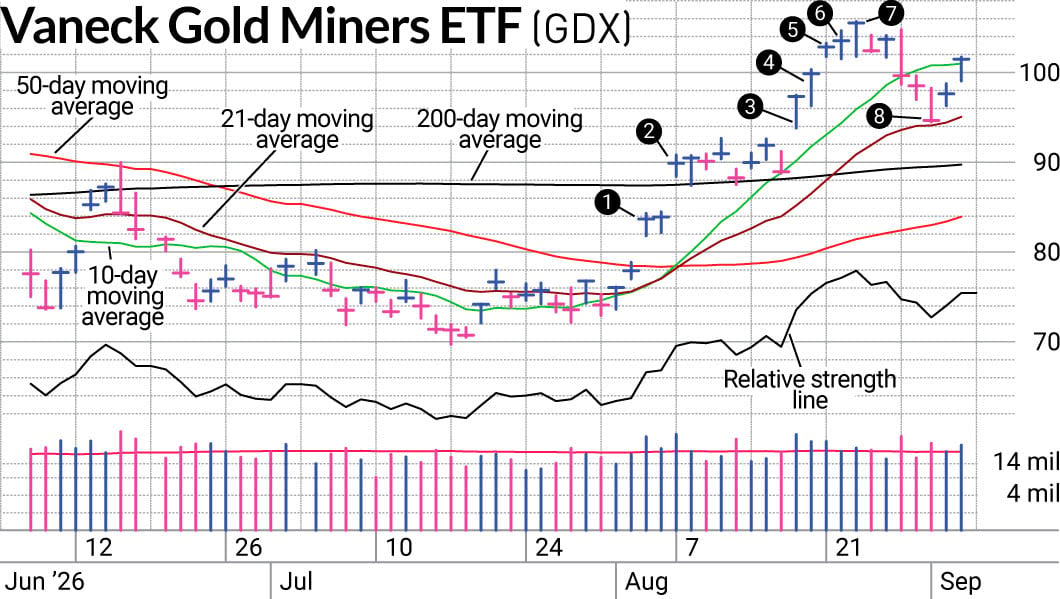
The historical volatility of the 1849 gold rush serves as a cautionary tale for modern investors prone to FOMO-driven trading. By analyzing the psychological pitfalls of chasing gold stocks, investors can better avoid the financial ruin that often accompanies speculative market trends.
The Perils of Speculative Investing: Lessons from 1849
History is often the most reliable teacher for the modern investor. The 1849 gold rush, while romanticized in popular culture as an era of sudden wealth, was statistically a period of widespread financial devastation. Most individuals who flocked to the gold fields ended up bankrupt, serving as a stark reminder that the promise of rapid capital appreciation often masks significant underlying risk. This historical precedent is directly applicable to contemporary equity markets, where the allure of gold stocks can frequently lead to irrational decision-making.
The Psychology of FOMO in Modern Markets
While the acronym FOMO—Fear Of Missing Out—is a product of the digital age, the underlying human emotion is ancient. In the context of the stock market, FOMO acts as a catalyst for impulsive behavior, driving investors to purchase assets at inflated prices simply because of their recent performance trends. This psychological trap is particularly potent when dealing with commodities like gold, which are often viewed as 'safe havens' but can behave with extreme volatility when traded as speculative equities.
Analyzing the Gold Stock Trap
When we analyze the current landscape, it is evident that chasing gold stocks without a rigorous strategy is a dangerous endeavor. Investors often conflate the intrinsic value of physical gold with the operational risks associated with mining companies. These companies are subject to market cycles, labor disputes, and fluctuating extraction costs, which do not necessarily move in lockstep with the spot price of gold. By failing to distinguish between the commodity and the corporate entity, investors expose themselves to unnecessary losses.
Avoiding the 'Gold Rush' Mentality
To navigate these waters effectively, one must cultivate a disciplined approach that transcends emotional impulses. The lesson from the 1849 era is clear: those who provided the 'shovels' or operated with a structured business plan often fared better than the prospectors chasing rumors. In modern terms, this suggests that long-term portfolio stability is achieved through diversification and fundamental analysis rather than reacting to the hype cycles that drive retail investors toward high-risk gold plays.
Future Trends and Strategic Outlook
As global economic uncertainty fluctuates, the tendency to retreat into gold stocks will likely persist. However, the future of successful investing relies on recognizing the difference between a trend and a sustainable strategy. By acknowledging that FOMO is a 'sneaky' and dangerous emotion, investors can implement safeguards—such as stop-loss orders and value-based metrics—that protect their capital from the inevitable corrections that follow speculative bubbles. Ultimately, the most successful market participants are those who learn from the bankruptcies of the past to secure their financial future.