Goldman Sachs Sees More Upside in Gasoline as Diesel Crunch Deepens
Source Entity
Yahoo Finance
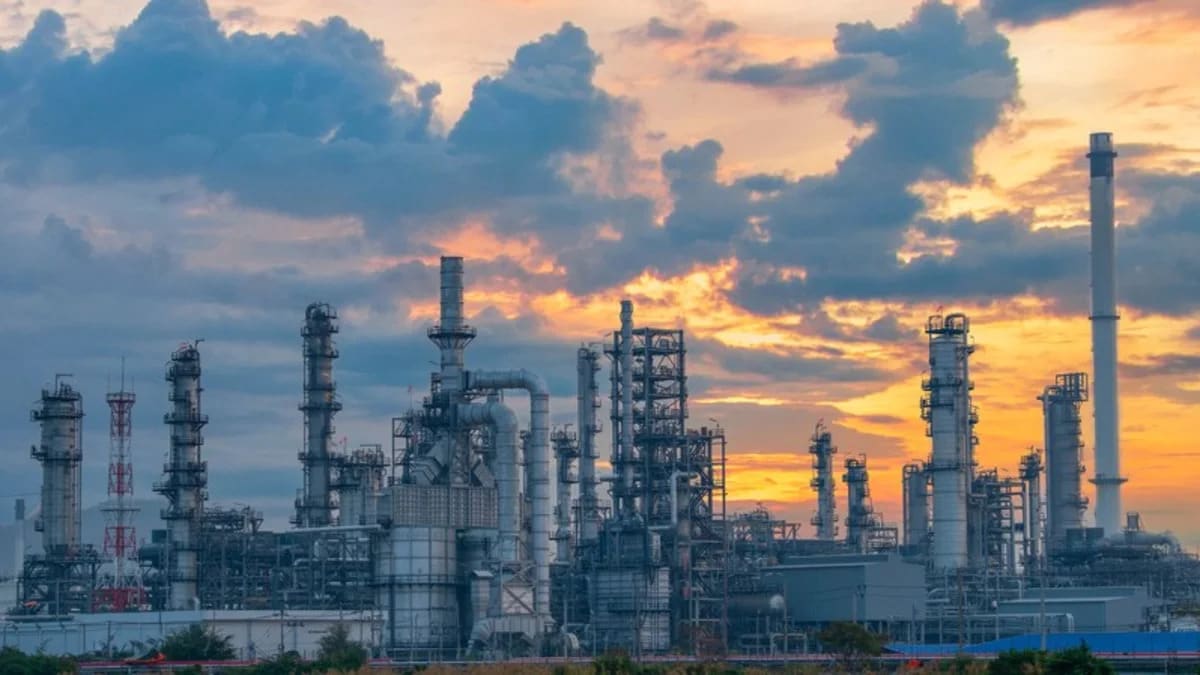
Goldman Sachs anticipates rising gasoline prices as refiners prioritize diesel production, leading to a tightening of the gasoline market. This strategic shift highlights the delicate balance refineries must maintain to meet global fuel demand.
The Shifting Landscape of Global Fuel Markets
Goldman Sachs has recently signaled a pivotal shift in its commodity market outlook, moving its primary focus from diesel timespreads to European gasoline for mid-2025. This strategic pivot comes as the global refining industry navigates a complex environment of shifting supply priorities and constrained output capacities. As the investment bank notes, the current market dynamics are heavily influenced by a deliberate choice made by refiners to favor diesel production over gasoline, a decision driven by prolonged tightness in the middle distillate sector.
The Diesel-Gasoline Output Trade-off
The fundamental cause of this market imbalance lies in the operational choices of global refiners. For months, the industry has contended with a significant supply squeeze in diesel, which has historically been the tighter of the two products. By prioritizing diesel yield, refiners have inadvertently constricted the supply of gasoline. Goldman Sachs analysts emphasize that this reallocation of output is now reaching a critical juncture where the resulting scarcity in gasoline markets is creating significant upside potential for price growth.
Structural Constraints in Refining
The current situation is exacerbated by the fact that global refining activity has hit its lowest seasonal levels in years. This structural limitation prevents refiners from simply increasing total production to cover both diesel and gasoline needs simultaneously. When refineries operate at reduced capacity, they are forced to pick winners and losers in their product slate. The current preference for diesel is a direct response to industrial demand and the ongoing supply deficit that has defined energy markets for much of this year.
Regional Impact and European Exposure
While the trend is global, the focus on European gasoline indicates that the region is particularly vulnerable to these supply shifts. Europe’s reliance on complex refining chains means that any disruption or deliberate output switching has an amplified effect on local pricing. As refiners continue to prioritize diesel to keep logistics and industrial sectors moving, the resulting gasoline deficit is poised to drive prices higher, creating a lucrative environment for investors tracking these specific fuel spreads.
Future Trends and Market Outlook
Looking ahead, the market is likely to remain in a state of high sensitivity. If refiners continue to favor diesel to mitigate the ongoing supply squeeze, gasoline markets will experience sustained upward pressure. This cycle of prioritizing the most critical industrial fuel at the expense of consumer-facing products like gasoline represents a long-term shift in how refining margins are calculated. Investors and market participants should expect continued volatility as the industry struggles to reconcile these competing demands within the constraints of current global refining capacity.