Goldman Sachs Says Oil Could Surpass $120 a Barrel if Hormuz Disruptions Don't Ease. Here's What That Means for Oil Stocks.
Source Entity
Yahoo Finance
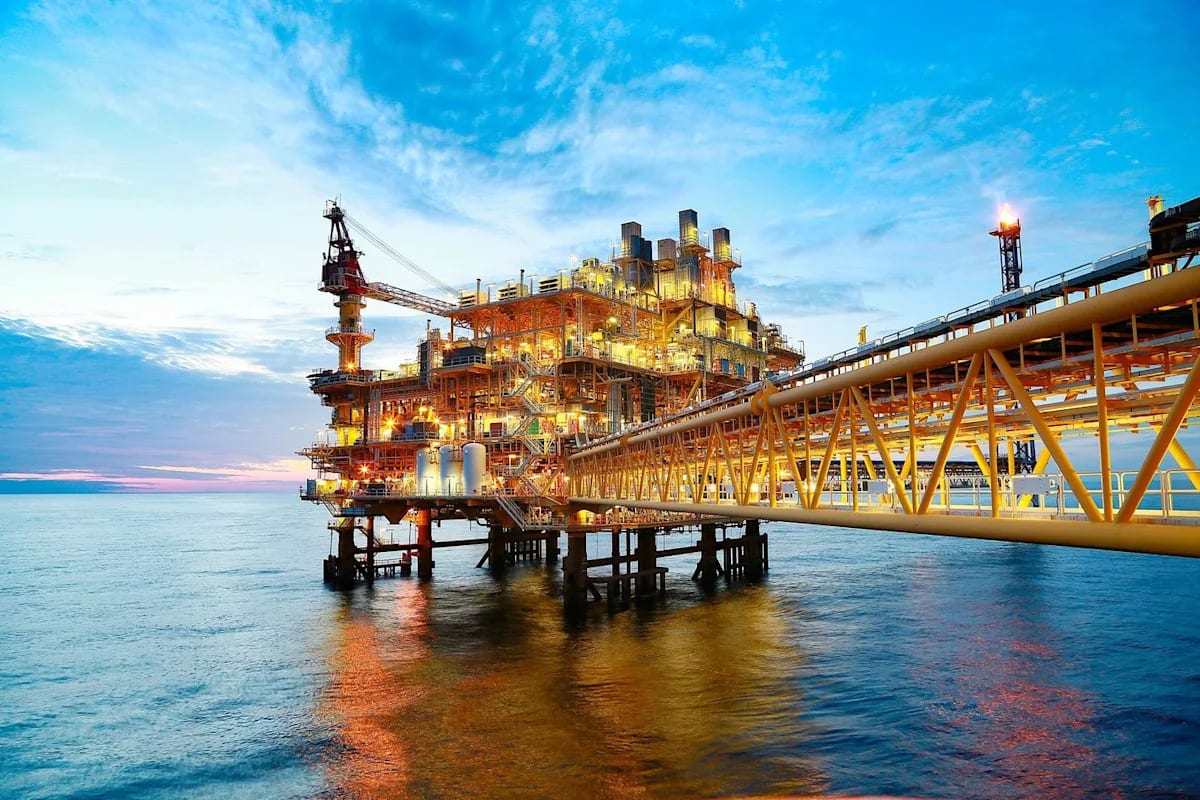
Goldman Sachs warns that persistent disruptions in the Strait of Hormuz could push Brent crude prices above $120 per barrel. The escalation in U.S.-Iran tensions has already fueled a 30% surge in oil prices, signaling potential volatility for energy markets.
The Geopolitical Fragility of Global Energy Markets
Recent market analysis from Goldman Sachs underscores a precarious reality for the global economy: the vulnerability of the Strait of Hormuz remains the single most significant "chokepoint" for international oil supply. As tensions between the United States and Iran escalate, the potential for sustained disruptions to this critical maritime route has forced analysts to recalibrate their forecasts for Brent crude. With prices already climbing past the $90 threshold—a sharp reversal from the optimistic $70 range seen when diplomatic de-escalation appeared possible—the market is now pricing in a significant risk premium.
The Mechanics of the $120 Forecast
Goldman Sachs projects that if the current impasse persists, Brent crude could breach $120 a barrel as early as the next quarter, with yearly averages potentially settling above $100. This scenario is predicated on the strategic importance of the Strait, which facilitates the transit of a substantial portion of the world's daily seaborne oil exports. When this flow is threatened, the immediate reaction is a tightening of physical supply, which historically leads to rapid, supply-side inflation that ripples through the global industrial sector.
Historical Context and Market Sensitivity
Historically, the Strait of Hormuz has served as a barometer for Middle Eastern stability. The current 30% surge from recent lows highlights how sensitive global oil benchmarks are to regional military posturing. Unlike previous decades, where domestic production in North America provided a buffer, the interconnectedness of modern global energy markets means that a localized disruption in the Persian Gulf acts as a systemic shock, forcing price adjustments worldwide regardless of regional production capacity.
Broader Economic Implications
Should oil prices sustain a trajectory toward triple digits, the implications for the broader economy are profound. High energy costs act as a regressive tax on consumers, stifling discretionary spending and raising the cost of logistics and manufacturing. For central banks, a sustained move toward $120 a barrel complicates the inflation narrative, potentially forcing policymakers to reconsider interest rate environments in an effort to curb energy-driven cost-push inflation.
Future Trends and Investor Outlook
For investors, this environment necessitates a pivot in strategy. Goldman Sachs’ assessment suggests that oil-linked equities may see increased volatility, with potential upside for producers benefiting from higher margins, contrasted against the risks faced by energy-intensive sectors such as transportation and heavy manufacturing. As market participants watch the Strait of Hormuz, the consensus remains that until a concrete diplomatic framework replaces the current hostility, the risk of a supply-constrained price spike will remain a dominant feature of the energy landscape.
Conclusion
The warning from Goldman Sachs serves as a stark reminder that geopolitical events remain the primary driver of oil market volatility. While the current 30% surge is a reaction to immediate uncertainty, the potential for a sustained $120 price point suggests that the market is preparing for a long-term shift in energy security dynamics. Investors and policymakers alike must navigate this period of heightened risk with the understanding that the stability of the Strait of Hormuz is inextricably linked to global economic health.