Google hit with $1 billion in fines as EU braces for Trump battle
Source Entity
Ashley Belanger
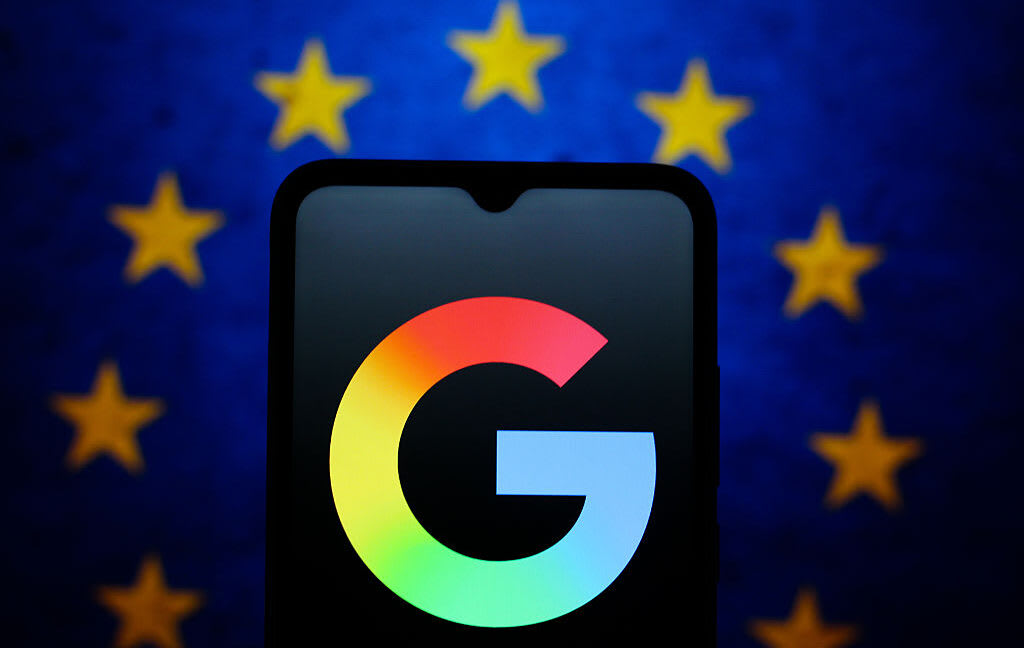
The European Union has fined Google approximately $1 billion for violating the Digital Markets Act through self-preferencing services in search and anti-steering practices in the Play Store. This ruling marks a significant escalation in EU antitrust enforcement against major tech companies.
The EU’s Regulatory Stance Against Google
The European Commission has taken a landmark step in its digital enforcement strategy by imposing a nearly $1 billion fine on Google’s parent company, Alphabet. This penalty, levied under the Digital Markets Act (DMA), addresses two primary areas of concern: the unfair prioritization of Google’s own services within search results and the restrictive 'anti-steering' policies within the Google Play Store. These actions signal a hardening of the EU’s regulatory posture, aiming to ensure that dominant digital gatekeepers do not stifle competition or innovation.
Self-Preferencing and Search Dominance
A significant portion of the fine, totaling approximately €460 million, is attributed to Google’s practice of self-preferencing. Regulators found that Google consistently placed its own specialized services—such as Google Shopping, Google Flights, and Google Hotels—at the top of search results, effectively burying rival services. By leveraging its position as the world’s primary search engine, Google created a skewed digital marketplace where third-party competitors were denied the visibility necessary to compete fairly, leading to the EC's demand for non-discriminatory treatment of all services.
The Play Store and Anti-Steering Practices
The second pillar of the fine, amounting to €430 million, focuses on the Google Play Store’s ecosystem. The European Commission identified that Google’s policies prevented mobile app developers from directing users to cheaper payment options or alternative purchase systems outside of the Google ecosystem. By restricting these 'anti-steering' practices, the EC argues that Google has artificially inflated costs for consumers and limited the autonomy of app developers to conduct business on their own terms.
Implications of the Digital Markets Act
The Digital Markets Act was designed precisely to curb the unchecked power of 'gatekeeper' tech firms. This $1 billion fine serves as a clear message that the EU is prepared to enforce these rules with significant financial weight. By becoming the third tech giant to face such penalties under the DMA, Google is now under immense pressure to overhaul its business model within the European bloc. The company has been given a 60-day window to implement these changes or face the threat of additional, ongoing daily fines.
Broader Geopolitical and Economic Context
Beyond the immediate financial impact on Alphabet, this ruling arrives at a sensitive time for transatlantic trade relations. The decision is expected to heighten tensions between the European Union and the United States, as American tech firms have frequently been the targets of EU antitrust scrutiny. As the global digital economy continues to evolve, this case serves as a harbinger for future regulatory trends, where nations and blocs increasingly prioritize domestic competition over the unchecked expansion of multinational digital empires.
Future Outlook for Big Tech
Looking forward, the tech industry must brace for a more rigorous regulatory environment. If Google fails to comply with the European Commission's mandate to treat third-party services fairly and remove restrictions on app developers, the potential for escalating daily fines could lead to a permanent restructuring of how Google operates its primary services in Europe. This case will likely serve as a blueprint for other jurisdictions globally, as they observe the efficacy of the EU's proactive stance in balancing tech dominance with market competition.
Multiple Citing Sources