Google says it can build data centers the right way. Some experts and residents are skeptical
Source Entity
US Top News and Analysis
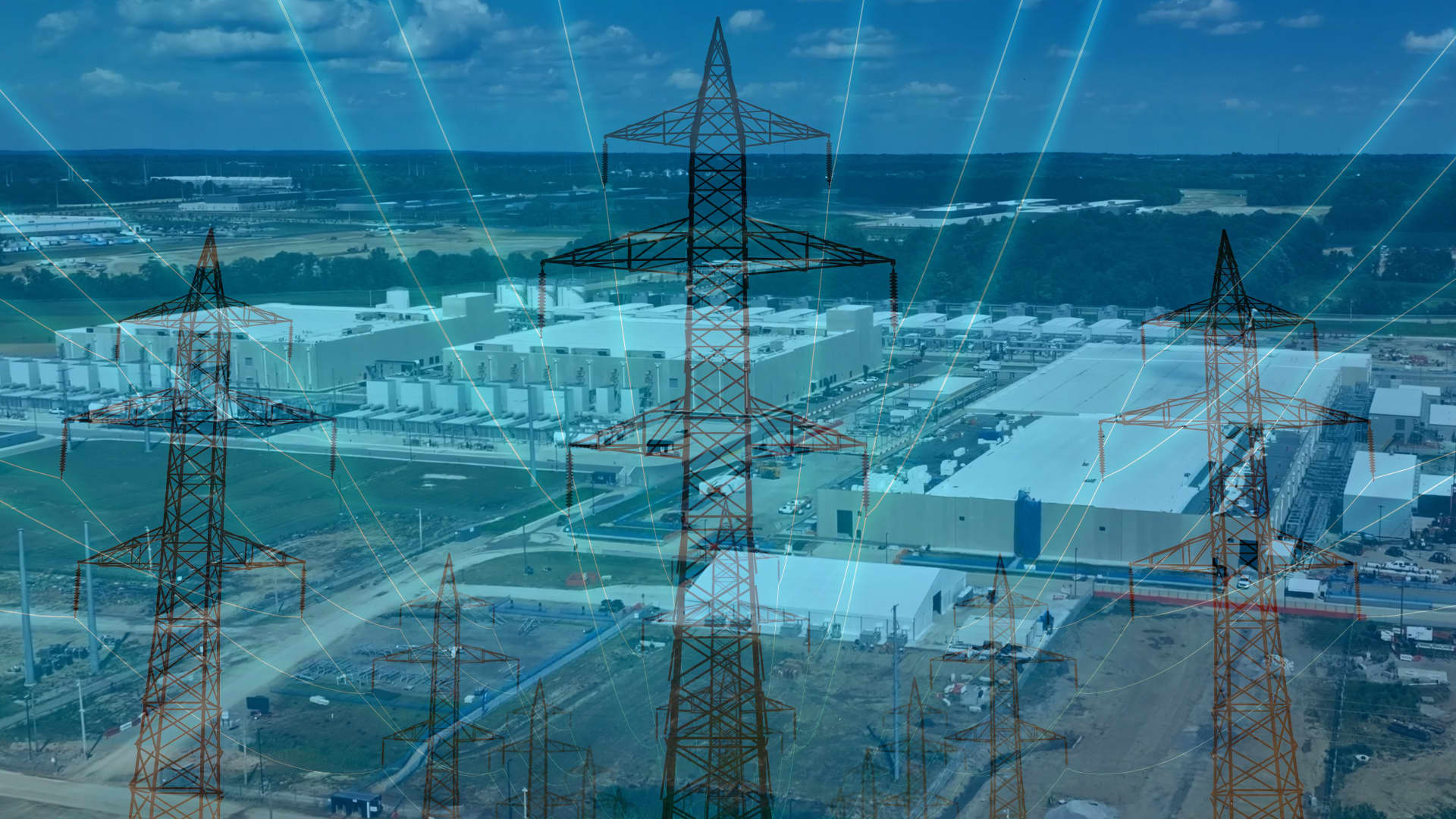
Google plans to build an AI data center in Minnesota, promising to bolster clean energy and protect local ratepayers. However, residents and energy experts remain skeptical about the project's true impact on the power grid and costs.
The Growing Tension Between AI Infrastructure and Local Communities
Google's recent proposal to construct a massive AI data center in Minnesota has sparked a significant debate regarding the intersection of technological advancement and infrastructure sustainability. As the demand for generative AI models skyrockets, tech giants are scrambling to secure the immense electrical capacity required to power their servers. Google is attempting to frame its project as a model for responsible development, asserting that the facility will not only be carbon-neutral but will actively contribute to the grid’s overall strength.
The Economic and Environmental Stakes
At the heart of the controversy is the proposed partnership with Xcel Energy. Google intends to finance additional wind, solar, and battery capacity, theoretically offsetting the data center's footprint and potentially lowering costs for other users. By committing to pay for this capacity regardless of whether it is fully utilized, the company aims to mitigate concerns that their massive energy draw will lead to rate hikes for local residents. This financial structure represents a proactive attempt to align corporate needs with public utility interests.
Public Sentiment and the 'Not In My Backyard' Phenomenon
Despite these assurances, public opposition remains intense. Recent polling from Gallup indicates that 71% of Americans oppose data centers in their vicinity, reflecting a deep-seated anxiety about the physical and economic footprint of these facilities. Data from the Pew Research Center reinforces this, showing that half of the population views data centers as detrimental to the environment and household energy affordability. This skepticism suggests that tech companies face a significant hurdle in gaining social license for their infrastructure projects.
Expert Skepticism Regarding Grid Upgrades
Beyond public perception, energy experts are questioning the technical necessity and efficiency of the proposed grid upgrades. While Google claims its presence will improve grid reliability, critics argue that the sheer scale of the energy draw requires massive, costly infrastructure overhauls that may not be as beneficial to the general public as claimed. These experts raise valid questions about whether the grid can absorb this new load without creating unforeseen complications or cost burdens that fall onto the shoulders of everyday ratepayers.
Future Trends in Data Center Development
Looking forward, the outcome of the Minnesota project will likely serve as a litmus test for the entire industry. If Google can successfully navigate the regulatory and public scrutiny, it may establish a new gold standard for 'clean' data center development. Conversely, if the project faces delays or fails to deliver on its promises to the grid, it could embolden policymakers to impose stricter regulations on tech companies, potentially slowing the growth of AI infrastructure in the United States. The tension between the necessity of AI computing and the preservation of local grid stability will remain a defining theme in the coming decade.