Vibe coding is turning the music gear world upside down
Source Entity
Terrence O’Brien
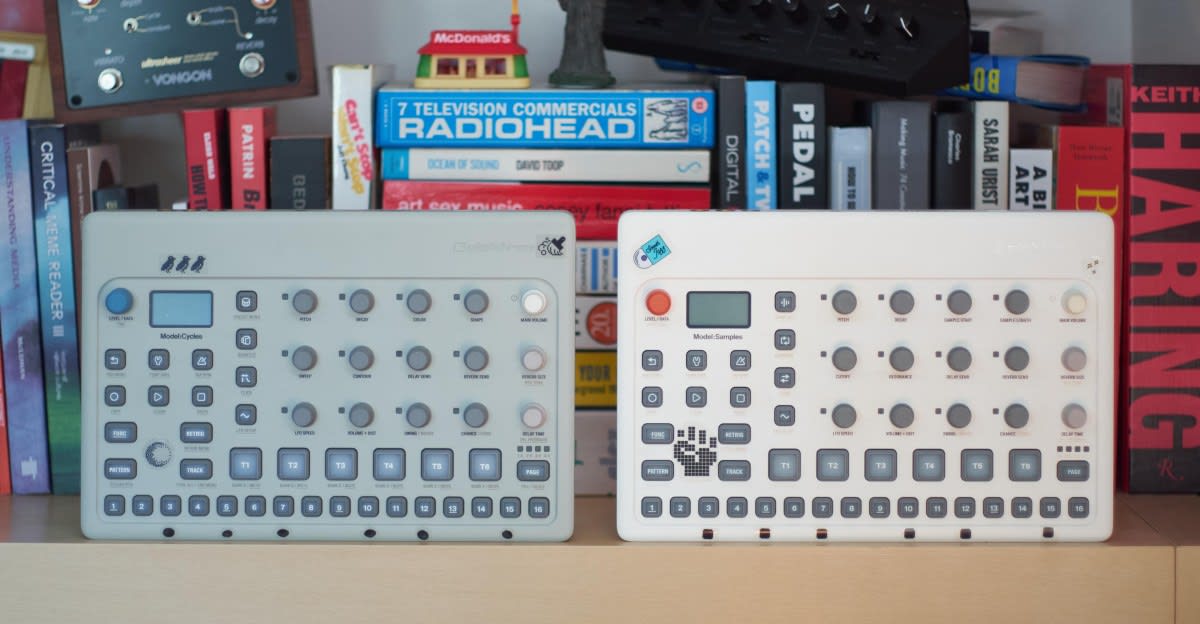
The emergence of 'vibe coding' tools powered by LLMs is revolutionizing the music hardware industry. Hobbyists are now rapidly developing custom firmware for synthesizers and grooveboxes, tasks that previously required months of specialized expertise.
The Rise of Vibe Coding in Music Technology
The landscape of electronic music production is undergoing a radical shift as the barrier to entry for hardware modification collapses. Once the exclusive domain of electrical engineers and software developers with deep expertise in embedded systems, the creation of custom firmware for synthesizers, samplers, and grooveboxes has become remarkably accessible. This transformation is driven by the rise of 'vibe coding'—a colloquial term describing the use of Large Language Model (LLM) tools to generate complex code and logic structures through natural language prompts.
From Expert Craft to Hobbyist Innovation
Historically, modifying hardware like a Korg Volca to include features such as velocity sensitivity was a monumental task, often requiring weeks or months of intensive labor. These modifications demanded a high level of proficiency in low-level programming languages and a deep understanding of circuit architecture. Before the advent of modern AI-assisted coding, the hobbyist community was limited by the sheer time investment required to reverse-engineer proprietary firmware, keeping the ecosystem relatively stagnant and centralized around official manufacturer updates.
The Impact of AI-Driven Development
Today, the paradigm has shifted toward rapid iteration. Hobbyist hackers are utilizing sophisticated AI tools to write, debug, and implement custom code, allowing them to turn budget-friendly or generic hardware into highly capable, full-fledged grooveboxes in mere days. This trend is prominently visible across platforms like r/synthesizers and YouTube, where users showcase custom firmware that breathes new life into aging or entry-level equipment, effectively democratizing the customization of musical instruments.
Broader Implications for the Music Industry
This trend signals a broader democratization of audio technology. When consumers can bypass the limitations set by original manufacturers, the definition of a product becomes fluid. We are witnessing a transition where hardware serves merely as a foundation, while the actual 'vibe' and functionality of the device are dictated by the community-developed firmware. This puts pressure on legacy manufacturers to either embrace open-source initiatives or risk having their devices completely redefined by the user base.
Future Trends and Challenges
As vibe coding tools become more integrated into the creative process, we can expect a surge in specialized, highly niche hardware modifications. While this fosters innovation, it also presents challenges regarding intellectual property and device stability. However, the momentum behind this movement suggests that the 'black box' era of music hardware is coming to an end, replaced by a modular, community-driven approach to instrument design that prioritizes user-defined workflows over factory-standard limitations.