Google is open-sourcing its 3D emoji
Source Entity
Terrence O’Brien
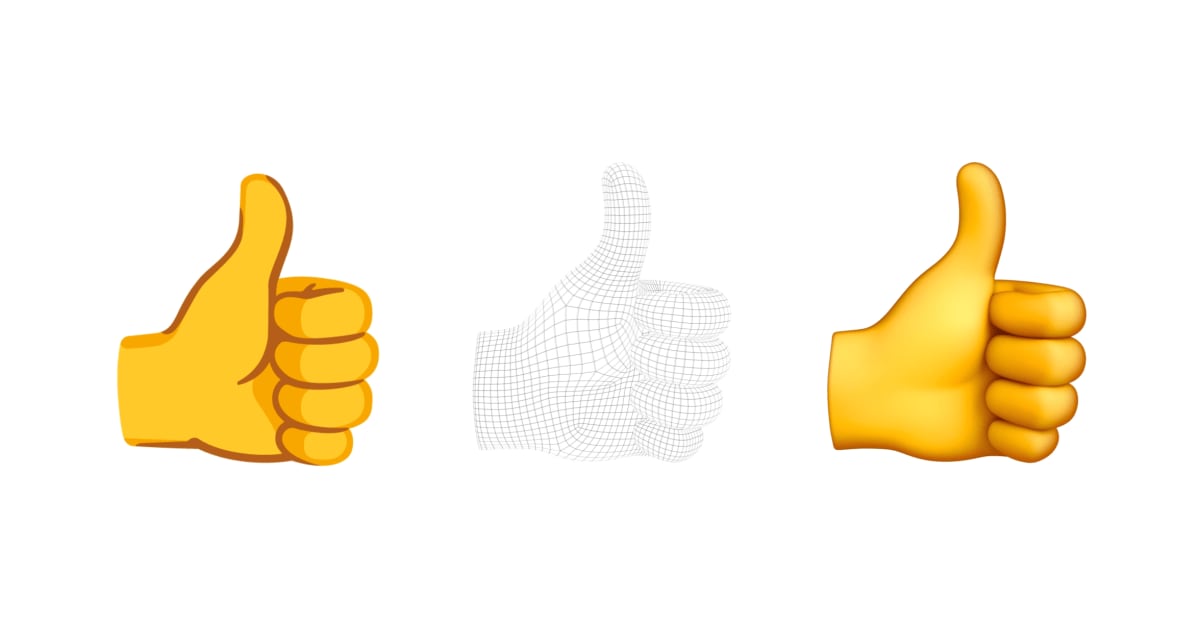
Google has open-sourced its collection of 3D emoji designs, providing public access to raw .OBJ files. This move allows creators to incorporate these high-quality, three-dimensional pictograms into their own digital projects.
Google Democratizes Design: The Open-Sourcing of 3D Emoji
In a significant move for digital creators and designers, Google has announced the open-sourcing of its 3D emoji set. Revealed in conjunction with World Emoji Day, this initiative provides the public with access to raw .OBJ files, effectively allowing developers, artists, and hobbyists to integrate Google’s distinct design language into their own independent projects. This decision marks a shift in how major tech corporations share creative assets, moving away from closed ecosystems toward collaborative, open-source standards.
The Complexity of Three-Dimensional Expression
Transitioning from 2D illustrations to 3D models introduces a host of technical and conceptual challenges that are often overlooked in flat graphic design. Google’s design team highlighted that when moving into a three-dimensional space, fundamental questions about geometry and form become critical. For instance, the physical structure of a simple smiley face must be defined—is it a perfect sphere, a mask-like surface, or a flat disc? These decisions impact how light reflects off the object and how it appears from different camera angles, requiring a level of precision that 2D art does not demand.
Behind the Scenes: The Design Process
By offering a behind-the-scenes look at their design process, Google has provided valuable insights into the modern workflow of iconographic development. The transition to 3D necessitates a focus on volumetric shapes and material properties, such as how the emoji interacts with virtual light sources. This level of transparency not only educates the design community on Google’s internal methodologies but also sets a benchmark for how tech companies can document and share their creative journeys with the public.
Implications for the Digital Ecosystem
The decision to release these assets as open-source material has broad implications for the digital landscape. By providing .OBJ files—a standard format in 3D modeling software—Google is lowering the barrier to entry for creators who wish to utilize high-quality assets without starting from scratch. This could lead to a proliferation of Google-styled emoji appearing across a wider variety of platforms, games, and applications, standardizing the visual language of digital expression across disparate digital environments.
Future Trends and Community Collaboration
Looking forward, this move suggests a growing trend among tech giants to foster community-driven innovation. When companies release proprietary design assets, they invite the community to iterate, modify, and repurpose those assets in ways the original creators may not have envisioned. This cycle of open collaboration often leads to unexpected creative breakthroughs, ensuring that the visual tools we use every day remain dynamic and adaptable to new technological platforms like augmented reality (AR) and virtual reality (VR), where 3D assets are increasingly essential.
Conclusion
Ultimately, Google’s release of its 3D emoji library is more than a simple corporate gesture; it is a contribution to the global creative commons. By sharing the technical foundations of their work, Google has empowered the next generation of designers to build upon their progress, ensuring that the evolution of digital communication remains a collaborative, open, and ever-expanding process.