Google alters its cloud playbook, enlisting partners to sell more AI chips
Source Entity
US Top News and Analysis
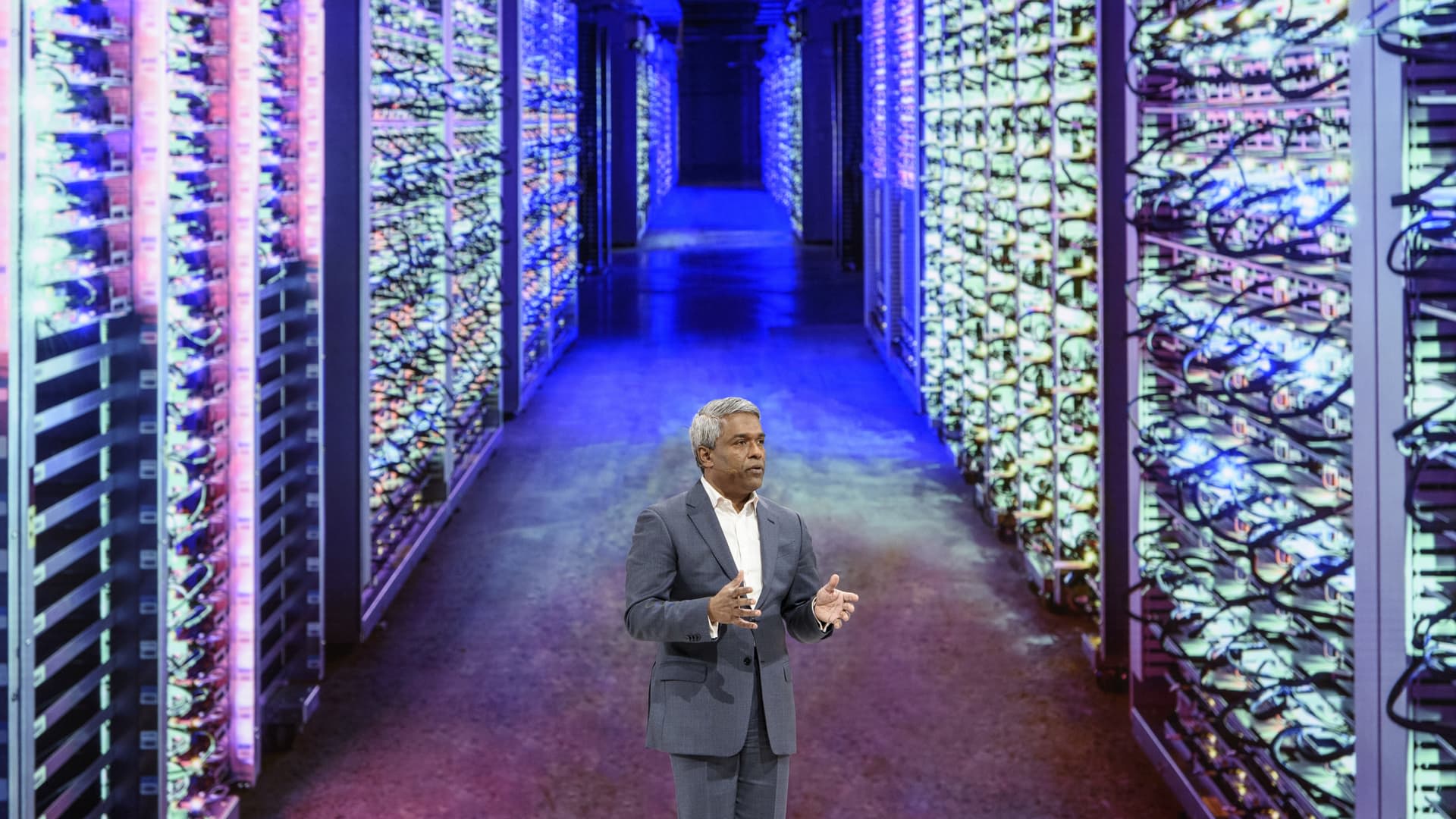
Google is expanding its AI infrastructure strategy by allowing third-party partners like Oracle to sell access to its proprietary Tensor Processing Units. This move marks a significant shift from its closed-loop ecosystem to a broader market approach to compete with Nvidia.
Google Shifts Cloud Strategy to Compete in AI Hardware
Breaking the Walled Garden
For years, Google has maintained a tightly controlled ecosystem, marketing its custom-built Tensor Processing Units (TPUs) exclusively within the Google Cloud Platform. By offering a "full stack" approach—where chips, software models, and cloud infrastructure were integrated—Google aimed to differentiate itself from competitors like Amazon Web Services (AWS) and Microsoft Azure. However, the rapidly evolving landscape of artificial intelligence has necessitated a strategic pivot. By enlisting partners to sell its AI hardware, Google is signaling that the era of the "closed-loop" cloud model may be insufficient to capture the massive demand for AI compute power.
The Strategic Role of Oracle
The announcement that Oracle will begin offering Google’s TPUs represents a major milestone in this transition. By moving its hardware outside of its own data centers, Google is essentially commoditizing its proprietary technology to gain market share. This partnership allows Oracle’s enterprise client base to leverage Google’s specialized silicon without being forced to migrate their entire data architecture to Google Cloud. This flexibility is a direct response to customer demands for interoperability and choice in an increasingly complex multi-cloud environment.
Challenging the Nvidia Hegemony
At the heart of this strategy is a direct challenge to Nvidia, the current dominant force in the AI chip market. While Nvidia’s GPUs have become the industry standard for training large language models, Google’s TPUs have been in development since 2013, providing a long-standing, battle-tested alternative for specific machine learning workloads. By expanding the reach of these chips, Google is attempting to lower the barrier to entry for its silicon, hoping to establish TPUs as a viable, scalable alternative to Nvidia’s offerings for enterprise-grade AI applications.
Implications for Alphabet’s Revenue
This shift comes at a critical time for Alphabet, as the company prepares to report its third-quarter earnings. Wall Street has been closely monitoring how Google intends to monetize its massive investments in AI infrastructure. By opening the TPU business to third-party providers, Google is effectively unlocking a new revenue stream that bypasses the traditional constraints of its own cloud platform. This move transforms the TPU from a mere differentiator for Google Cloud into a standalone product line capable of generating growth in a highly competitive hardware market.
Future Trends in Cloud Infrastructure
Looking ahead, this move suggests a broader industry trend toward "de-siloing" AI infrastructure. As AI models become more integral to enterprise operations, companies are moving away from monolithic cloud providers in favor of specialized solutions that can be integrated across various environments. Google’s willingness to let partners sell its hardware suggests a long-term goal of becoming a foundational AI infrastructure provider, rather than just a cloud service provider. If successful, this strategy could reshape the competitive hierarchy of the AI hardware market, forcing other cloud giants to re-evaluate their own proprietary hardware strategies.