You can’t ignore Google Zero anymore
Source Entity
David Pierce
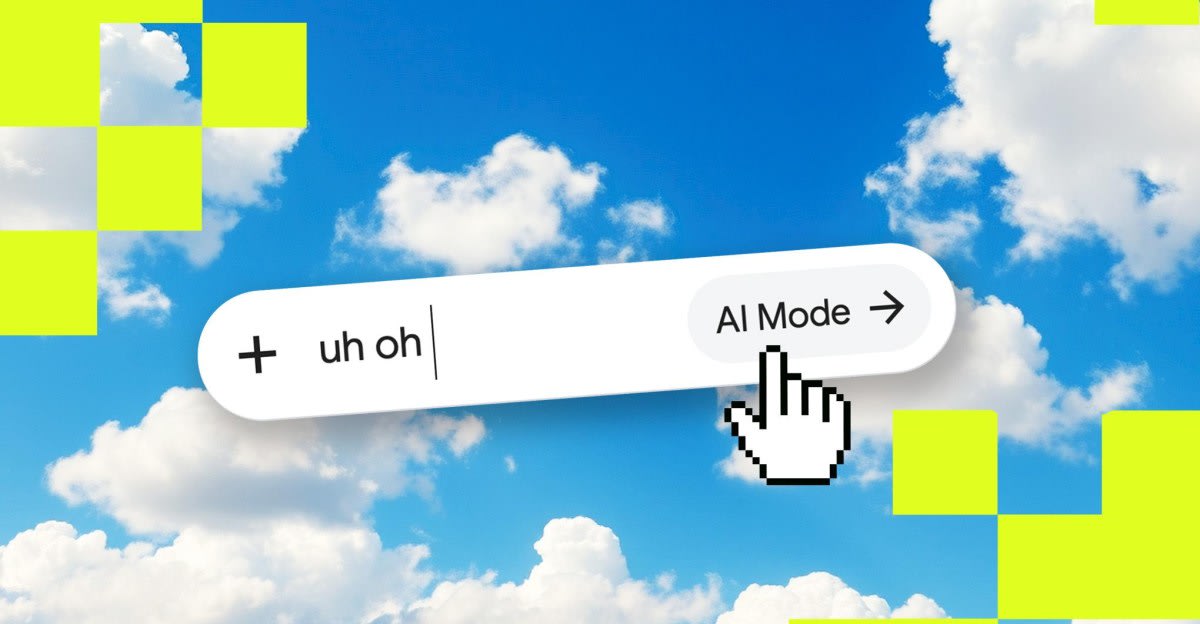
Google's traditional model of trading web traffic for data indexing is collapsing as AI-driven search results reduce outbound clicks. This shift, termed 'Google Zero,' is causing major publishers and platforms to reconsider their reliance on Google's ecosystem.
The Collapse of the Traffic Exchange Model
For decades, the internet operated on a symbiotic, if lopsided, agreement: Google would index the vast expanse of the web, and in return, it would act as a primary conduit for user traffic. This arrangement served as the lifeblood for millions of websites, publishers, and content creators. However, the emergence of 'Google Zero'—a scenario where users find their answers directly on the search engine results page without needing to click through to a source—signals a definitive end to this era. The fundamental value proposition of the open web is currently facing an existential threat.
The Rise of AI and the Erosion of Outbound Traffic
The integration of generative AI into search engines has accelerated this decline. By synthesizing data from multiple sources to provide direct answers, Google effectively keeps users within its own ecosystem. This shift represents a significant departure from the search engine's historical role as a gateway. As traffic to independent websites dries up, the economic incentive for high-quality content creation diminishes, creating a feedback loop that could fundamentally alter the composition of the internet.
Publisher Pushback and Strategic Reassessment
Facing declining referral traffic, major digital publishers are beginning to push back. Discussions regarding blocking Google’s crawlers are no longer theoretical; they are becoming a strategic necessity for those who view their content as a proprietary asset rather than mere training fodder for Google’s AI models. The sentiment is increasingly adversarial, as publishers realize that providing data for AI training often leads to the cannibalization of their own audience.
The Reddit Precedent and AI Data Sovereignty
Platforms like Reddit are also re-evaluating their relationships with search giants. The growing interest in exiting AI training deals highlights a broader trend: the reclamation of digital sovereignty. If platforms that were once reliant on search visibility begin to restrict access, Google’s ability to train its models and populate its search results could be severely hampered, leading to a fragmented digital landscape where content is increasingly gated behind paywalls or private APIs.
Broader Implications for the Digital Ecosystem
This transition marks a pivot from an 'open' web to a 'closed' or 'syndicated' web. As the traditional traffic model fails, websites must pivot toward alternative revenue streams, such as direct subscriptions or community-based models. The reliance on search-driven traffic is becoming a liability rather than an asset, forcing a painful but necessary evolution for digital businesses that have long operated under the assumption of Google's benevolence.
Future Outlook: A New Digital Realignment
Looking forward, the tension between AI-driven information retrieval and original content production will likely intensify. Google faces the difficult task of balancing its own AI innovations with the necessity of maintaining a healthy ecosystem of creators. If the 'Google Zero' trend continues unchecked, the search engine risks alienating the very publishers that provide the data it needs to function, potentially leading to a massive decline in search result quality and long-term user trust.