Government identifies 120 items for local production push
Source Entity
SIDHARTHA
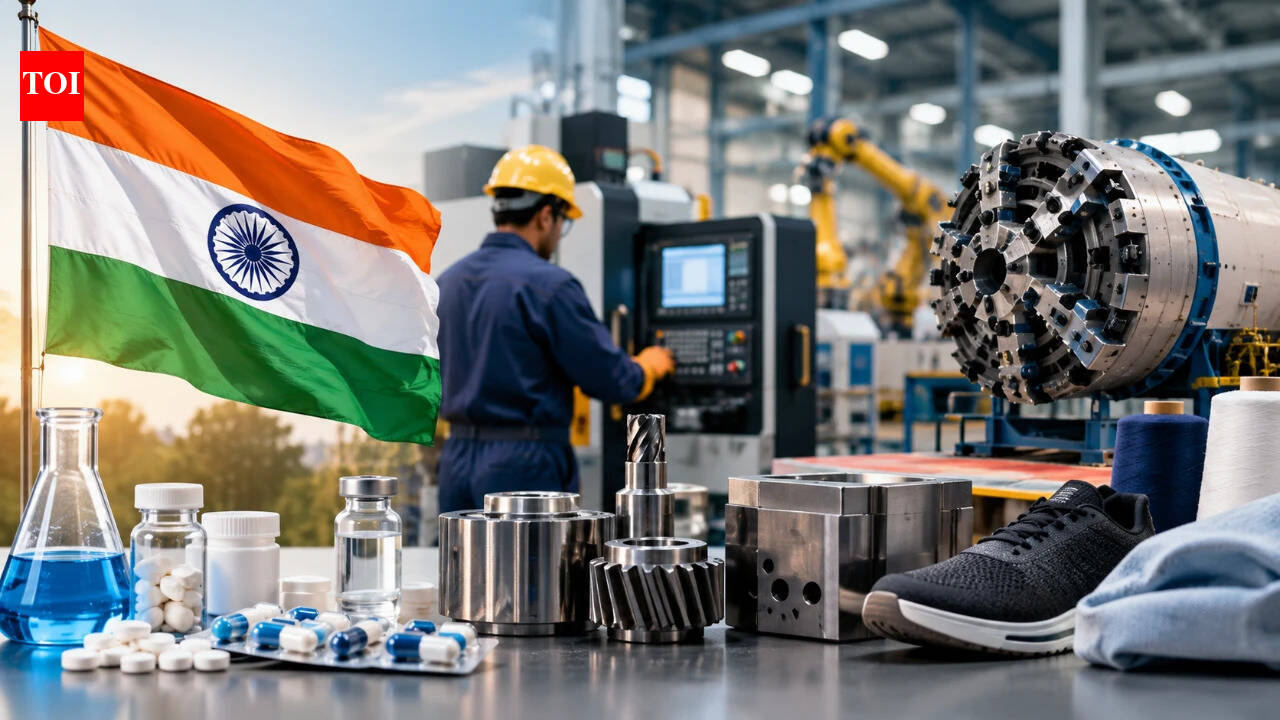
The government has identified 120 key products for a domestic manufacturing initiative aimed at reducing import reliance. This strategic push seeks to bolster local production capabilities and strengthen industrial self-sufficiency.
Strategic Shift Toward Domestic Manufacturing
The government's recent identification of approximately 120 products for a targeted domestic manufacturing push marks a significant pivot in national industrial policy. By focusing on specific items to replace imports, authorities are signaling a move toward greater economic sovereignty and a reduction in vulnerability to volatile global supply chains. This initiative is designed to incentivize local industries to scale production, thereby fostering a more robust industrial ecosystem that can compete effectively on both domestic and international fronts.
Addressing Import Dependence
For years, heavy reliance on foreign imports for critical components and finished goods has exposed the economy to external shocks, such as fluctuating commodity prices and logistical bottlenecks. By isolating 120 specific items, the government is adopting a surgical approach to import substitution. This strategy not only aims to conserve foreign exchange reserves but also seeks to provide a predictable, stable market for domestic manufacturers who have previously struggled to compete with the sheer volume and pricing of imported goods.
The Role of Industrial Policy
This policy intervention is rooted in the broader ambition of enhancing domestic value addition. By creating a favorable environment for these 120 items, the government is likely to introduce production-linked incentives, infrastructure support, and regulatory easing. Historically, such measures are essential for nurturing nascent industries that require a protective 'nurturing phase' before they can achieve the economies of scale necessary for global price competitiveness.
Economic and Employment Implications
Beyond the immediate goal of cutting imports, this initiative carries profound implications for the domestic labor market. Increased manufacturing activity is a primary driver of job creation, particularly in the medium-to-high skill sectors. By localizing the production of these 120 items, the nation expects to see an uptick in industrial employment, technological transfer, and the development of ancillary industries that support the primary manufacturing sector.
Future Trends and Sustainability
Looking ahead, the success of this push will depend on the government’s ability to maintain a balance between protectionist measures and the need for innovation. If manufacturers are shielded for too long without pressure to improve quality and efficiency, the long-term viability of these products may be at risk. However, if managed correctly, this initiative could transition the nation from a consumer-heavy economy to a manufacturing powerhouse, setting a precedent for future industrial growth cycles.
Conclusion
In conclusion, the government's decision to target 120 specific products for local manufacturing is a calculated step toward economic resilience. By addressing the root causes of import dependence through structured policy support, the government is laying the groundwork for a more self-reliant industrial sector. While the transition will present challenges, the potential for long-term economic stability and job growth makes this a cornerstone of current national development strategy.