Biometrics, voter IDs for beneficiary payments, not Aadhaar: Minister Rajiv Ranjan Singh
Source Entity
Harikishan Sharma
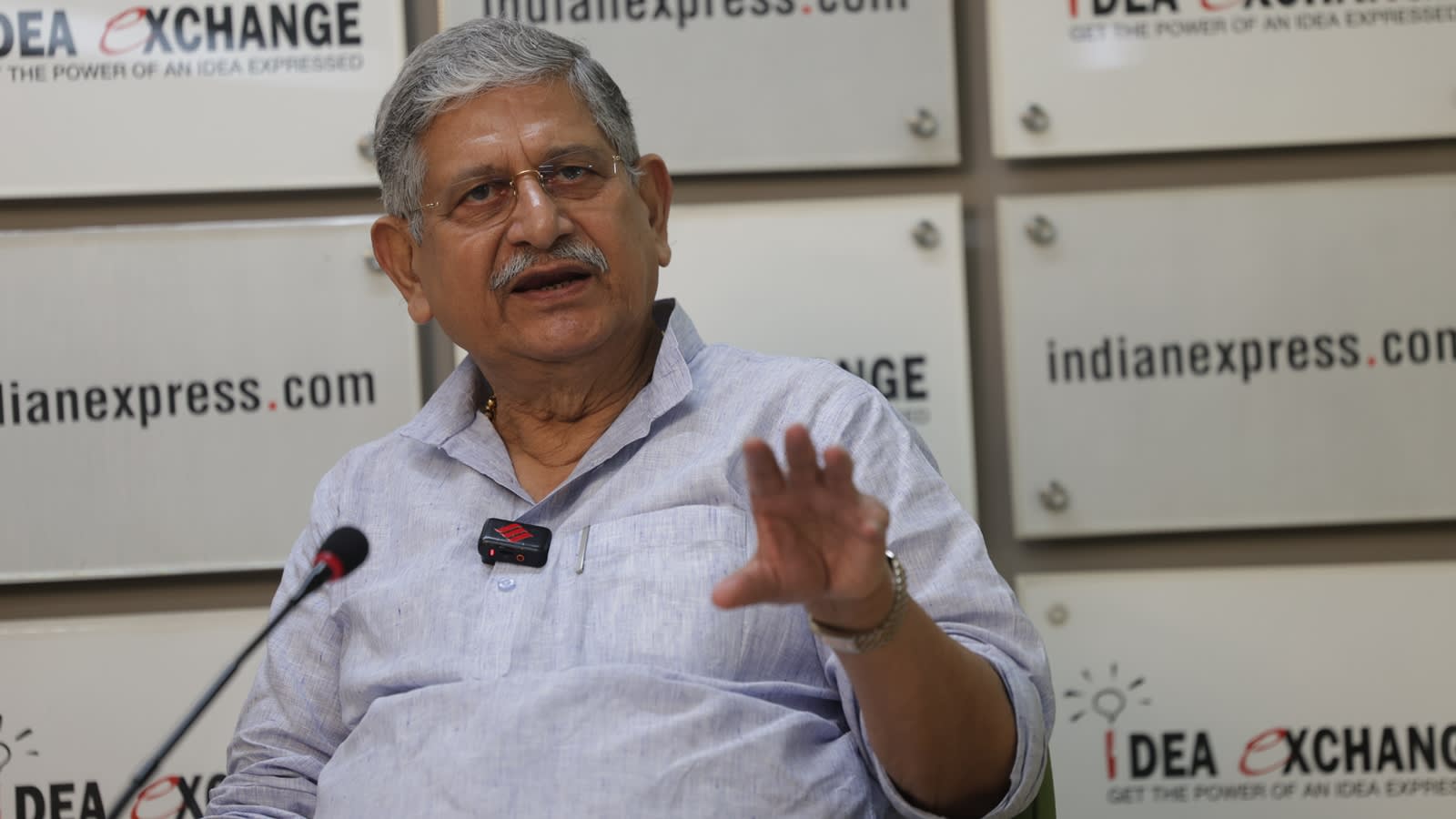
Union Minister Rajiv Ranjan Singh announced that beneficiary payments will soon transition from Aadhaar-based systems to a framework utilizing biometrics and voter ID numbers. This shift aims to curb potential irregularities by moving away from the ubiquity of Aadhaar card generation.
A Paradigm Shift in Government Disbursement
Union Minister Rajiv Ranjan Singh, also known as Lalan Singh, recently announced a significant administrative pivot regarding how the Indian government processes beneficiary payments. Speaking at the National Workshop on the People’s Plan Campaign 2026-27, the Minister of Panchayati Raj, Fisheries, Animal Husbandry, and Dairying stated that the current reliance on Aadhaar numbers for fund transfers is set to be replaced by a more secure system anchored in biometrics and the Electoral Photo Identity Card (EPIC), or voter ID.
The Rationale Behind the Transition
The move appears driven by concerns over the integrity of the existing Aadhaar-based payment architecture. Minister Singh highlighted the ease with which Aadhaar cards can currently be generated, noting that agencies capable of issuing these IDs are now ubiquitous, functioning as accessible services in virtually every neighborhood. By suggesting that an Aadhaar card can be produced in mere minutes, the Minister implies that the current system may be vulnerable to misuse or identity fabrication that could compromise the distribution of government welfare.
Integrating Voter IDs and Biometrics
By proposing the use of Voter IDs alongside biometric verification, the government is attempting to tether welfare payments to a more robust, state-verified identity document. The Electoral Photo Identity Card is a primary document issued by the Election Commission of India, which undergoes rigorous verification processes. Integrating this with direct biometric authentication—such as fingerprint or iris scanning—creates a two-factor verification layer that is theoretically much harder to spoof than a standard Aadhaar-linked database.
Broader Implications for Welfare Delivery
The transition signals a potential recalibration of the Direct Benefit Transfer (DBT) ecosystem. For years, Aadhaar has served as the backbone of India's digital welfare state, streamlining the delivery of subsidies. However, as the government moves toward the 2026-27 planning cycle, this policy shift suggests a desire to tighten administrative controls at the grassroots level. This is particularly relevant for the Ministries under Singh’s purview, which manage diverse rural development and agricultural support programs that require precise targeting of beneficiaries.
Future Trends and Administrative Challenges
Moving forward, the success of this initiative will depend on the technical integration of the Election Commission’s database with the payment gateways used by various ministries. While the shift promises enhanced security and reduced leakage of funds, it also presents logistical hurdles in digitizing and syncing voter ID data with financial systems on a national scale. If implemented effectively, this could set a new standard for identity verification in public service delivery, prioritizing the sanctity of the voter registry over general-purpose identification.
Conclusion
In summary, Minister Rajiv Ranjan Singh’s announcement marks a notable departure from a decade-long reliance on Aadhaar as the sole identifier for government payments. By emphasizing the necessity of biometrics and voter ID, the administration is signaling a move toward more stringent, document-specific verification. As the government prepares for the upcoming planning cycles, this policy will likely serve as a litmus test for how India balances the convenience of digital payments with the imperative of fraud prevention.