5 govt senior secondary schools in UT sans regular principals
Source Entity
Latest News: Todays Latest News Headlines from India & World | Hindustan Times | Hindustan Times
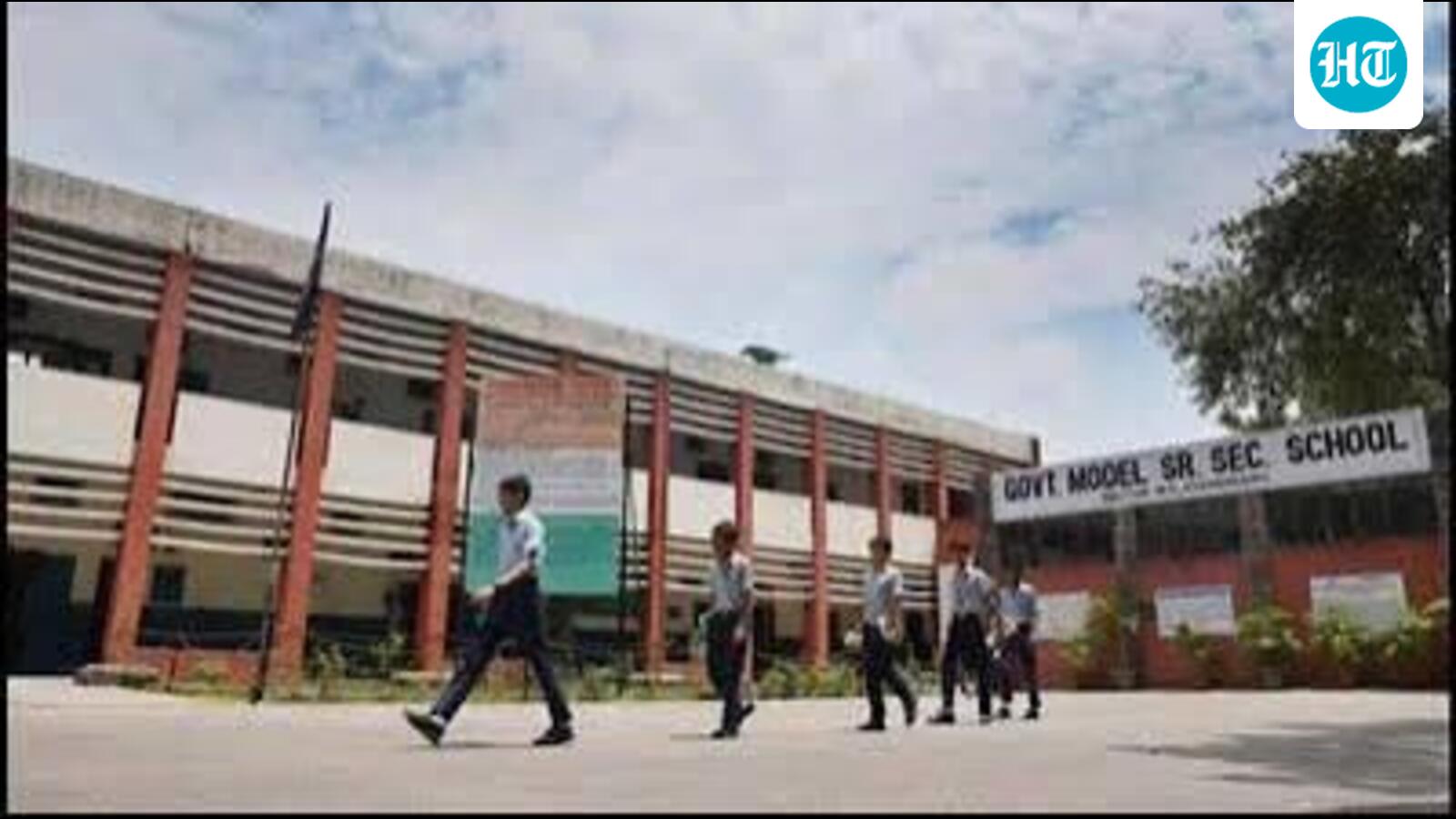
Government schools in Ludhiana and Chandigarh are facing significant operational challenges, including a lack of sports funding and a shortage of regular principals. Teachers are currently covering expenses personally, while schools rely on temporary administrative arrangements to function.
Administrative and Financial Crises in Public Education
The public education system in Ludhiana and Chandigarh is currently grappling with severe structural and financial bottlenecks that threaten the quality of student engagement and administrative stability. In Ludhiana, government primary schools are struggling to conduct mandatory block-level games due to an acute shortage of dedicated sports instructors and the non-disbursement of sanctioned funds. This disconnect between departmental mandates and the ground reality has placed an undue burden on educators.
The Financial Burden on Educators
Despite clear directives from the education department to host these competitions, the lack of financial support has forced teachers to navigate a difficult choice: cancel the events or subsidize them personally. Jagjit Singh Mann, representing the Government Teachers’ Union, highlighted that even the promised sum of ₹2,000 for centre-level games remains pending. This reliance on personal finances or the goodwill of local panchayats is an unsustainable model that highlights a systemic failure in the timely allocation of resources.
Leadership Voids in Chandigarh Schools
Parallel to the funding issues in Ludhiana, Chandigarh’s government senior-secondary schools are facing a leadership crisis. Five institutions—GMSSS Kaimbwala, Sector 56, Sector 39-C, Sector 28, and Sector 45-C—are operating without sanctioned posts for regular principals. This vacancy is not merely a bureaucratic oversight but a structural deficit that leaves these institutions without permanent oversight, forcing senior lecturers to shoulder administrative duties in addition to their teaching loads.
Implications for Institutional Growth
The absence of regular principals and dedicated sports staff creates a ripple effect throughout the school ecosystem. Without a permanent head, long-term strategic planning, consistent policy implementation, and staff accountability become difficult to maintain. The current reliance on additional charges for lecturers risks diluting the focus on academic instruction, as administrative demands divert time and energy away from the classroom.
Future Trends and Policy Needs
To rectify these issues, the education department must prioritize the streamlining of fund disbursements and the formalization of administrative roles. The proposal to seek approval from the Ministry of Education for principal posts is a necessary step, but it must be accelerated to prevent further stagnation. Without a shift toward proactive resource management, the gap between government mandates and school-level execution will continue to hinder the holistic development of students, particularly in extracurricular areas like sports.
Verification Required?