For the first time, captive-bred Great Indian Bustard will set foot in the wild
Source Entity
Nikhil Ghanekar
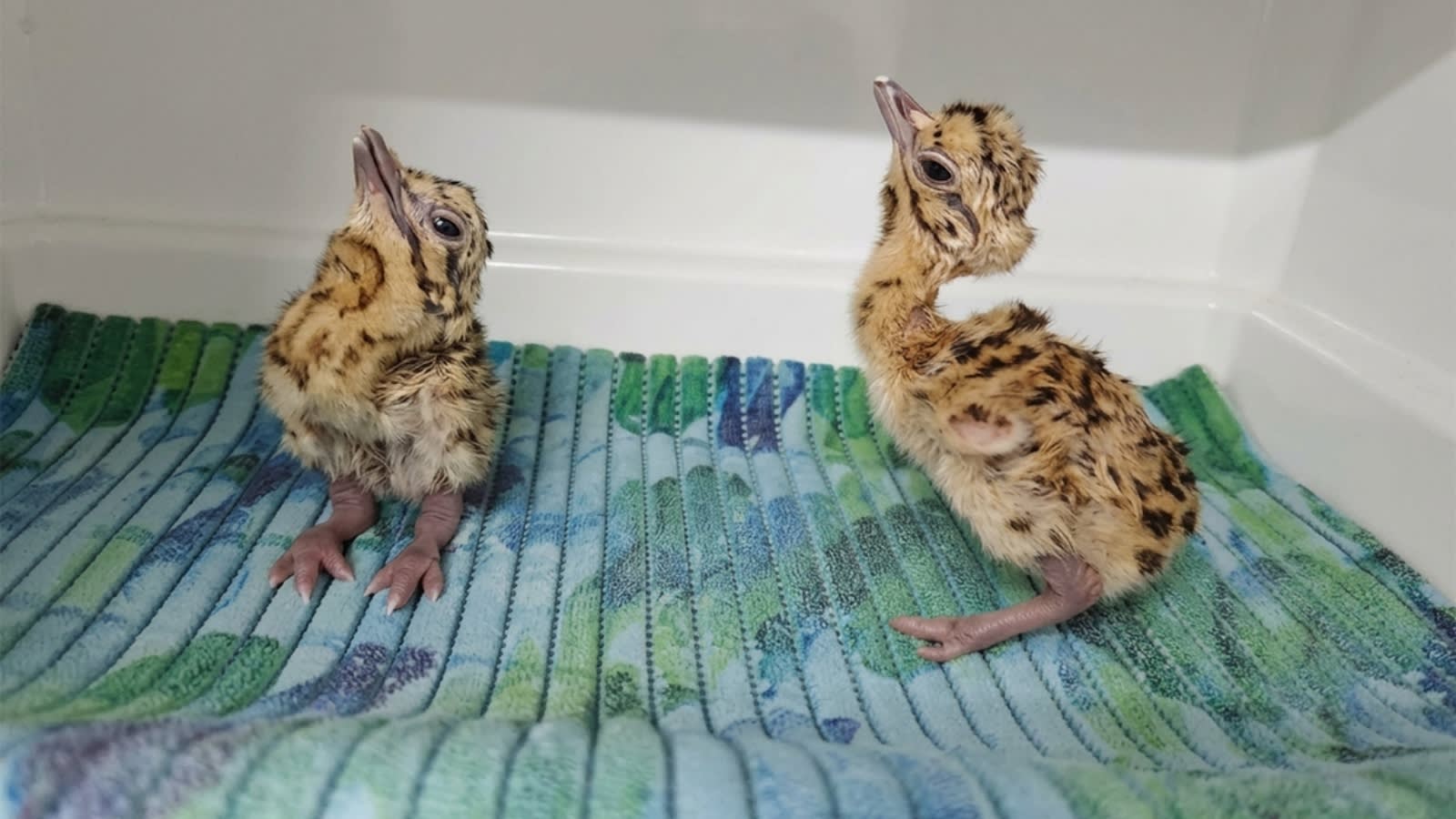
The critically endangered Great Indian Bustard will undergo a historic pilot rewilding project in Rajasthan's Desert National Park. This effort marks the first time captive-bred birds will be released into the wild to bolster the remaining population of approximately 140 individuals.
A Historic Milestone for the Great Indian Bustard
For the first time in conservation history, the critically endangered Great Indian Bustard (GIB) is set to undergo a pilot rewilding project. With the wild population currently estimated at a precarious 140 individuals, the release of at least two captive-bred chicks into the Desert National Park (DNP) in Jaisalmer represents a monumental shift in the survival strategy for this flagship species of the Thar Desert.
The Genesis of Project GIB
This pilot program marks the official commencement of the 'rewilding' phase of Project GIB, an initiative that has been under implementation since 2013. The project was designed specifically to facilitate the long-term recovery of the species, which has faced severe population declines due to habitat degradation and other environmental pressures. By moving from captive breeding to actual wild release, authorities are transitioning from theoretical protection to active population management.
Strategic Oversight and Implementation
The significance of this event is underscored by the expected presence of high-level government officials, including Union Environment Minister Bhupender Yadav and Rajasthan Chief Minister Bhajan Lal Sharma. Their involvement, scheduled for the event on October 4, signals the high political priority placed on the survival of the GIB. The use of enclosures within the DNP serves as a critical buffer, allowing the captive-bred birds to adapt to the harsh realities of the desert landscape under controlled supervision.
The Challenges of Rewilding
Rewilding is a complex scientific endeavor that requires more than just the introduction of animals into their natural habitat. For the GIB, this involves ensuring that captive-bred individuals can forage effectively, avoid predators, and integrate into the existing wild social structures. The success of these first two chicks will provide invaluable data to conservationists, helping to refine protocols for future releases and ensuring the long-term viability of the species.
Looking Toward a Sustainable Future
While the release of two chicks is a small step, it is a foundational one for the recovery of the species. The Thar landscape is a unique ecosystem, and the GIB acts as a sentinel for its health. If this pilot program proves successful, it could pave the way for a larger-scale reintroduction effort, turning the tide against the extinction of one of the world's heaviest flying birds and providing a blueprint for other endangered avian species in India.