Scientists identify a new penguin species for the first time in more than 100 years
Source Entity
The Indian Express
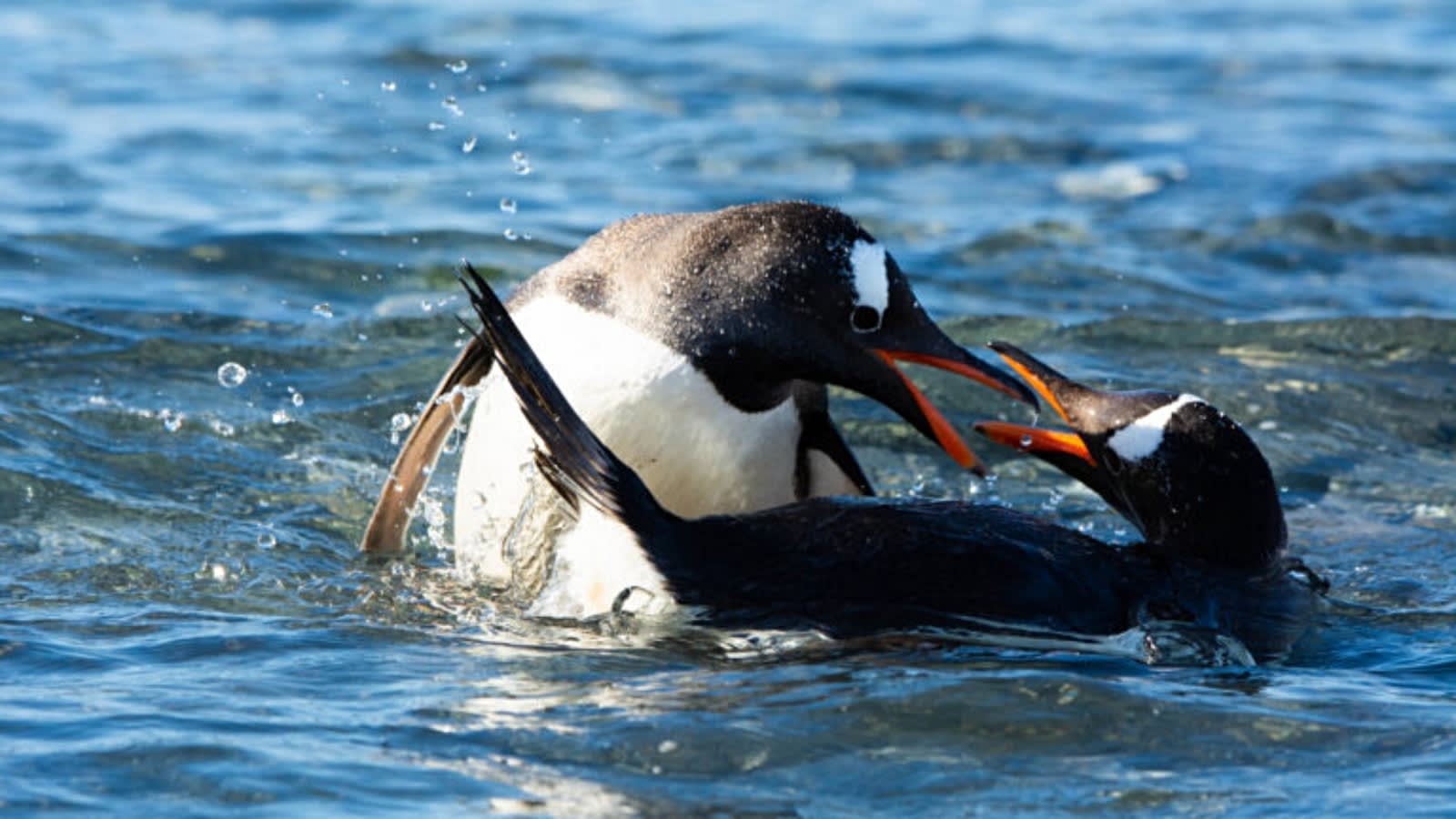
Scientists have identified a new penguin species, the southeastern gentoo (Pygoscelis kerguelensis), using genomic analysis. This discovery reveals that what was previously classified as a single gentoo species is actually a complex of four distinct species.
A Genetic Breakthrough in Avian Taxonomy
In a landmark discovery for ornithology, scientists have identified a new penguin species, Pygoscelis kerguelensis, marking the first such classification in over a century. While penguins are globally recognized by their iconic black-and-white plumage and flipper-based locomotion, this discovery highlights the limitations of traditional morphological classification. The identification process relied heavily on advanced genomic analysis rather than visible physical differences, proving that evolution often leaves its most significant marks at the molecular level.
The Isolation of the Kerguelen Islands
The newly identified species, commonly referred to as the southeastern gentoo penguin, inhabits the remote Kerguelen Islands located in the Indian Ocean. Situated approximately 1,200 miles north of Antarctica, these islands represent some of the most isolated terrestrial environments on the planet. This extreme geographical isolation provided the evolutionary pressure necessary for the gentoo penguin population to diverge genetically from its counterparts, eventually becoming a distinct species.
Challenging Long-Held Classifications
For decades, the scientific community operated under the assumption that gentoo penguins inhabiting various regions of the Southern Ocean belonged to a single, homogenous species. However, modern genomic sequencing has dismantled this long-standing taxonomic consensus. The data now suggests that what was once viewed as a single species is, in fact, a complex of four distinct species that have been hiding in plain sight.
Broader Implications for Conservation
This revelation carries significant weight for biodiversity and conservation efforts. When researchers misclassify a single species that is actually a collection of distinct, smaller populations, it can lead to inaccurate population counts and ineffective protection strategies. By recognizing the genetic uniqueness of the Kerguelen gentoo, conservationists can now implement more targeted management plans to protect these isolated populations from the threats of climate change and shifting oceanic conditions.
Future Trends in Genomic Research
The identification of Pygoscelis kerguelensis signals a broader shift in how we categorize life in the Southern Ocean and beyond. As genomic technology becomes more accessible and precise, it is highly likely that other 'cryptic' species will be discovered. This trend suggests that our understanding of global biodiversity is currently underestimated, and we may be on the cusp of a major taxonomic revision across various animal groups that were previously grouped together based on superficial similarities.
Conclusion
The identification of the southeastern gentoo penguin is a testament to the power of genetic science in correcting historical oversights. By looking beyond the waddle and the flippers, researchers have unveiled a hidden layer of evolutionary history, reminding us that even the most well-known species can still hold secrets that fundamentally change our understanding of the natural world.