Grey-Collar Jobs Rise 15% Ahead of Diwali: Who Are Companies Hiring Now?
Source Entity
NDTV News Search Records Found 1000
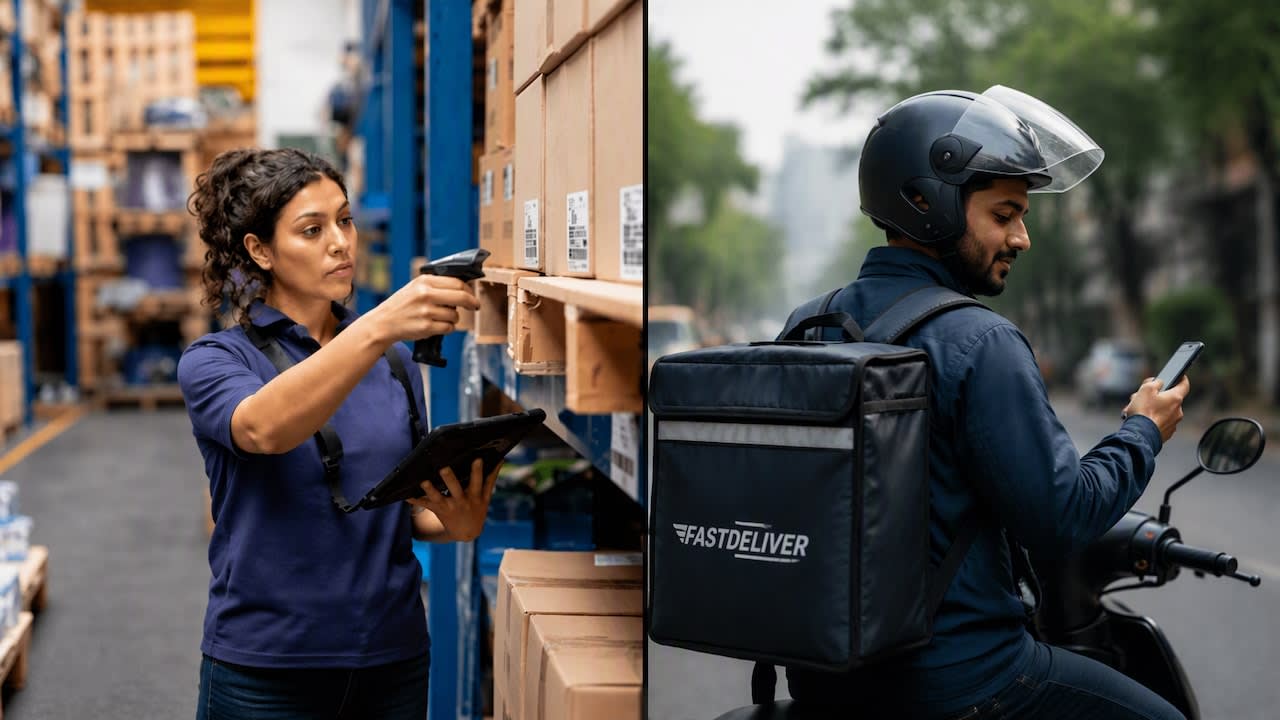
Grey-collar employment has surged by 15% leading up to the Diwali season. This trend highlights the growing demand for workers who blend hands-on labor with digital proficiency.
The Rise of the Grey-Collar Workforce
As the Indian economy approaches the peak festive season of Diwali, a significant shift in labor market dynamics has emerged. Data indicates a 15% rise in the hiring of 'grey-collar' workers, marking a pivotal moment in how corporations approach seasonal staffing. This demographic, which occupies the space between traditional blue-collar manual labor and white-collar professional roles, is becoming the backbone of modern operational efficiency.
Defining the Grey-Collar Hybrid
At the core of this trend is the unique nature of the grey-collar worker. Unlike traditional labor roles that rely solely on physical exertion, these workers are defined by their ability to perform hands-on tasks while simultaneously leveraging technology to execute their responsibilities. This duality is essential in the current fast-paced business environment, where tasks such as last-mile delivery, specialized equipment maintenance, and tech-enabled logistics require both physical presence and digital literacy.
Seasonal Demand and Diwali Dynamics
The 15% increase in hiring is directly correlated with the surge in consumer activity during Diwali. During this period, the demand for rapid fulfillment, seamless e-commerce transactions, and localized service delivery reaches its zenith. Companies are prioritizing candidates who can navigate digital platforms—such as logistics apps, inventory management software, and payment interfaces—while performing the essential physical duties required to keep supply chains moving during the festive rush.
Broader Implications for the Labor Market
This trend signals a broader evolution in workforce expectations. As businesses continue to digitize their operations, the demand for purely manual labor is diminishing in favor of 'digitally-enabled' manual labor. This shift suggests that the future of the workforce lies in individuals who can adapt to a tech-first operational model. It also provides a pathway for workers to upskill, transitioning from traditional roles into more stable, higher-value positions that offer greater integration with corporate systems.
Future Trends and Workforce Sustainability
Looking ahead, the rise of the grey-collar sector is likely to be more than just a seasonal anomaly. As technology becomes more deeply embedded in every facet of the service and manufacturing industries, the requirement for this hybrid skillset will persist long after the festive season concludes. Companies that invest in training their grey-collar staff to better utilize these technological tools will likely see higher retention rates and improved productivity, setting a new standard for operational excellence in the coming years.
Verification Required?