Paper’ ‘leak’ at Gujarat Ayurved University: Students’ wings of 3 political parties stage protests
Source Entity
Brendan Dabhi
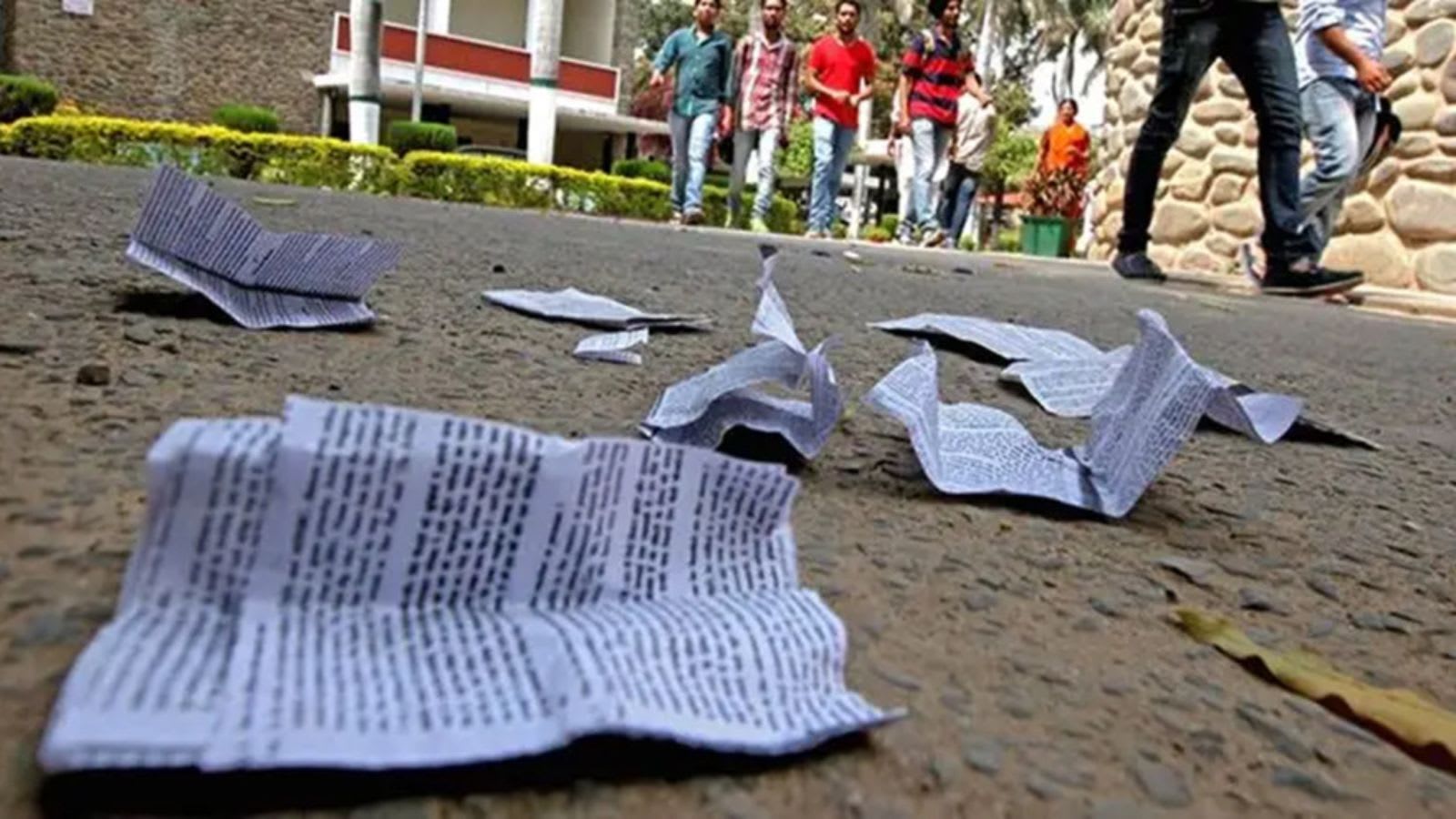
Student organizations in Gujarat are protesting following a suspected leak of the BAMS Shalya Tantra-1 exam paper. Despite a two-person authentication system, the incident has triggered demands for a formal investigation.
Examination Integrity Under Scrutiny: The Gujarat Ayurved University Incident
The Breach of Academic Protocol
The recent reports concerning the suspected leak of the Shalya Tantra-1 (surgical methods) paper at Gujarat Ayurved University highlight a significant vulnerability in academic administration. Despite the implementation of a rigorous 'two-person authentication system' designed to secure examination materials, the integrity of the Bachelor of Ayurveda Medicine and Surgery (BAMS) assessment was compromised. This failure raises critical questions about the efficacy of current digital and physical security protocols in university-level testing environments.
Political Mobilization and Student Unrest
The incident has galvanized student wings across the political spectrum, with the RSS-backed Akhil Bharatiya Vidyarthi Parishad (ABVP) and the Congress-affiliated National Students Union of India (NSUI) staging joint protests. This rare convergence of ideologically opposed student organizations underscores the gravity of the situation. By demanding an immediate investigation and accountability, these groups are reflecting a broader, nationwide anxiety regarding the sanctity of competitive and academic examinations.
A Broader Context of Examination Scandals
This event in Gandhinagar occurs against a backdrop of heightened sensitivity toward examination integrity in India. Notably, the report draws a parallel to the July 20 period, which preceded a nationwide agitation against NEET paper leaks. The subsequent political fallout, which included the resignation of senior BJP leader Dharmendra Pradhan as Union Education Minister, provides the necessary context to understand why local incidents of paper leaks now trigger immediate and widespread public outcry.
Institutional Challenges and Future Implications
The failure of the two-person authentication system suggests that even 'secure' bureaucratic processes can be circumvented by internal or external actors. For institutions like Gujarat Ayurved University, this necessitates a move toward more sophisticated, multi-layered security measures, perhaps including real-time monitoring, encrypted digital distribution, or biometric verification. The demand for transparency is not merely about one specific paper; it is a plea for systemic reform in how professional medical education is assessed and monitored.
Conclusion: Restoring Trust in Academia
The protests at Gujarat Ayurved University serve as a microcosm of the larger struggle to maintain credibility in India's education sector. As the investigation continues, the focus must shift from reactive crisis management to proactive structural security. Ensuring that the voices of the protesting students are heard is the first step toward reclaiming the trust of the academic community, ensuring that future medical professionals are evaluated on their merit rather than the availability of leaked materials.