Gujarat in education ministry’s ‘red zone’ as secondary school dropouts surge
Source Entity
Ritu Sharma
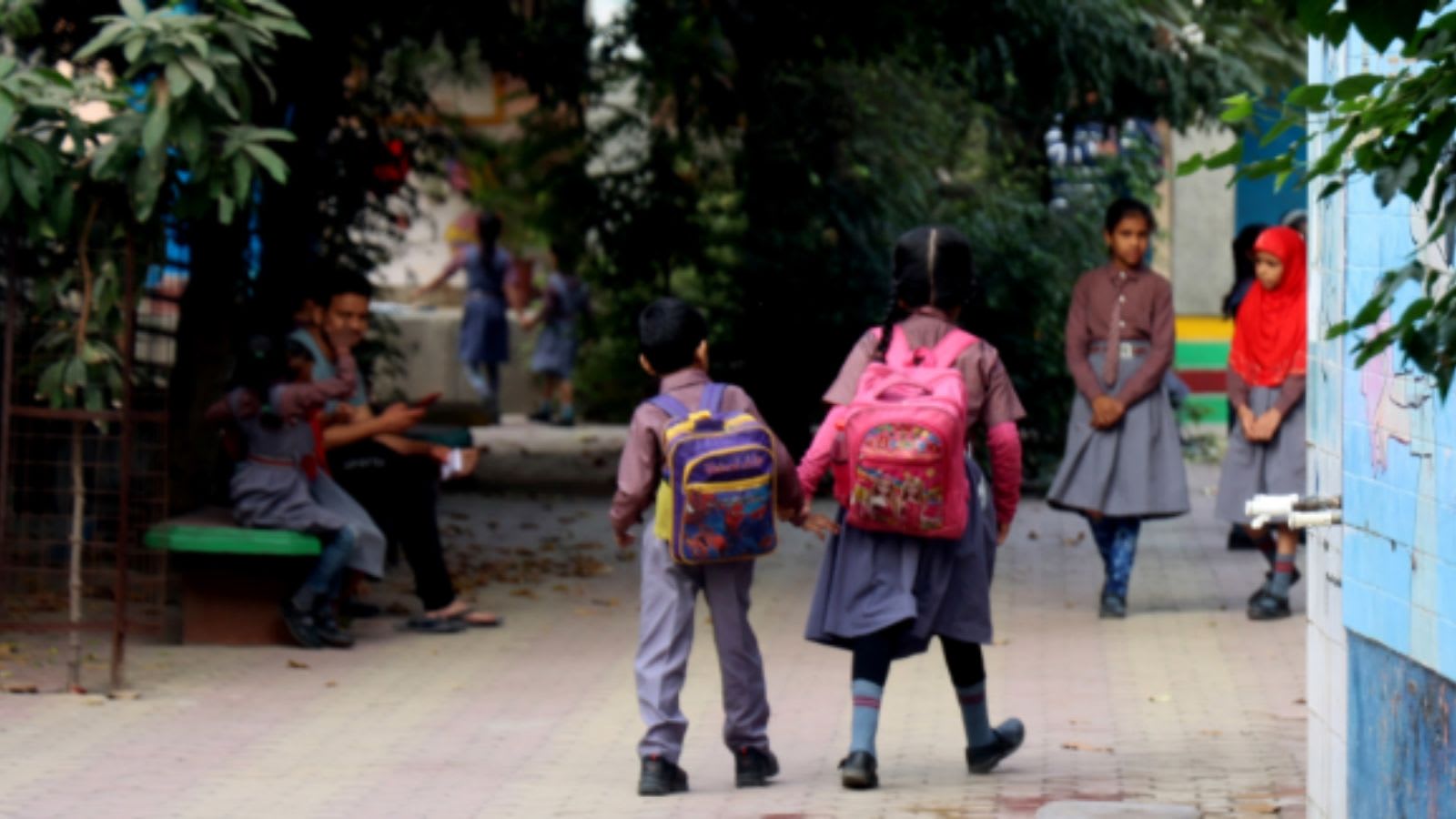
Gujarat has been placed in the education ministry's 'red zone' due to a secondary school dropout rate exceeding 15%. Despite long-standing initiatives like Shala Praveshotsav, enrollment levels remain significantly below the national average.
Gujarat Faces Education Crisis as Dropout Rates Climb
Recent data from the Unified District Information System for Education Plus (UDISE+) 2025-26 has placed Gujarat in the 'red zone' of the Ministry of Education’s performance indicators. This categorization is triggered by an alarming dropout rate in secondary schools, where more than 15 out of every 100 students leave the education system before completing their secondary schooling. This statistic highlights a significant systemic challenge in keeping students engaged within the classroom environment during their most formative adolescent years.
The Paradox of Enrollment Initiatives
What makes these findings particularly concerning is the context of Gujarat’s long-standing policy interventions. For over two decades, the state government has championed Shala Praveshotsav, a dedicated school enrollment drive designed to bolster student attendance and retention. Despite the longevity and scale of this program, the latest UDISE+ data indicates that enrollment in state secondary and higher secondary schools remains significantly lower than the national average. This discrepancy suggests a potential disconnect between enrollment-focused campaigns and the actual retention of students over the long term.
Data-Driven Insights and Systemic Hurdles
UDISE+, which serves as the central management system for real-time education data, has provided a granular look at these shortcomings. Beyond the raw dropout percentages, the data reveals a lower age-specific enrollment rate (ASER) within the state. This suggests that the issue is not merely about students leaving, but also about the state’s inability to attract and sustain students at the appropriate developmental age, indicating structural bottlenecks in the educational pipeline.
Broader Implications for Human Capital
Education is the primary driver of economic mobility and human capital development. When a state experiences high dropout rates at the secondary level, it risks creating a long-term labor force that lacks the necessary skills to compete in an increasingly digital and globalized economy. The 'red zone' status serves as an urgent warning that current strategies may be insufficient to bridge the gap between initial entry and academic completion.
Future Trends and Policy Correction
Moving forward, the state government will likely need to shift its focus from mere enrollment numbers to retention-based strategies. If the downward trend in attendance continues, Gujarat may face challenges in maintaining its demographic dividend. The reliance on real-time data from UDISE+ will be essential for policymakers to identify specific districts or socioeconomic groups that are most affected, allowing for more targeted interventions rather than relying solely on broad, legacy enrollment programs.
Conclusion
The classification of Gujarat in the education ministry's 'red zone' is a critical inflection point for the state’s educational policy. By acknowledging the limitations of current programs like Shala Praveshotsav in the face of persistent dropout rates, stakeholders can begin to address the root causes of student attrition. Ensuring that students not only enter but remain in secondary education is vital for the long-term socioeconomic health of the state.