Government call on drought declaration only after survey: Gujarat minister on Opp demand
Source Entity
Parimal A Dabhi
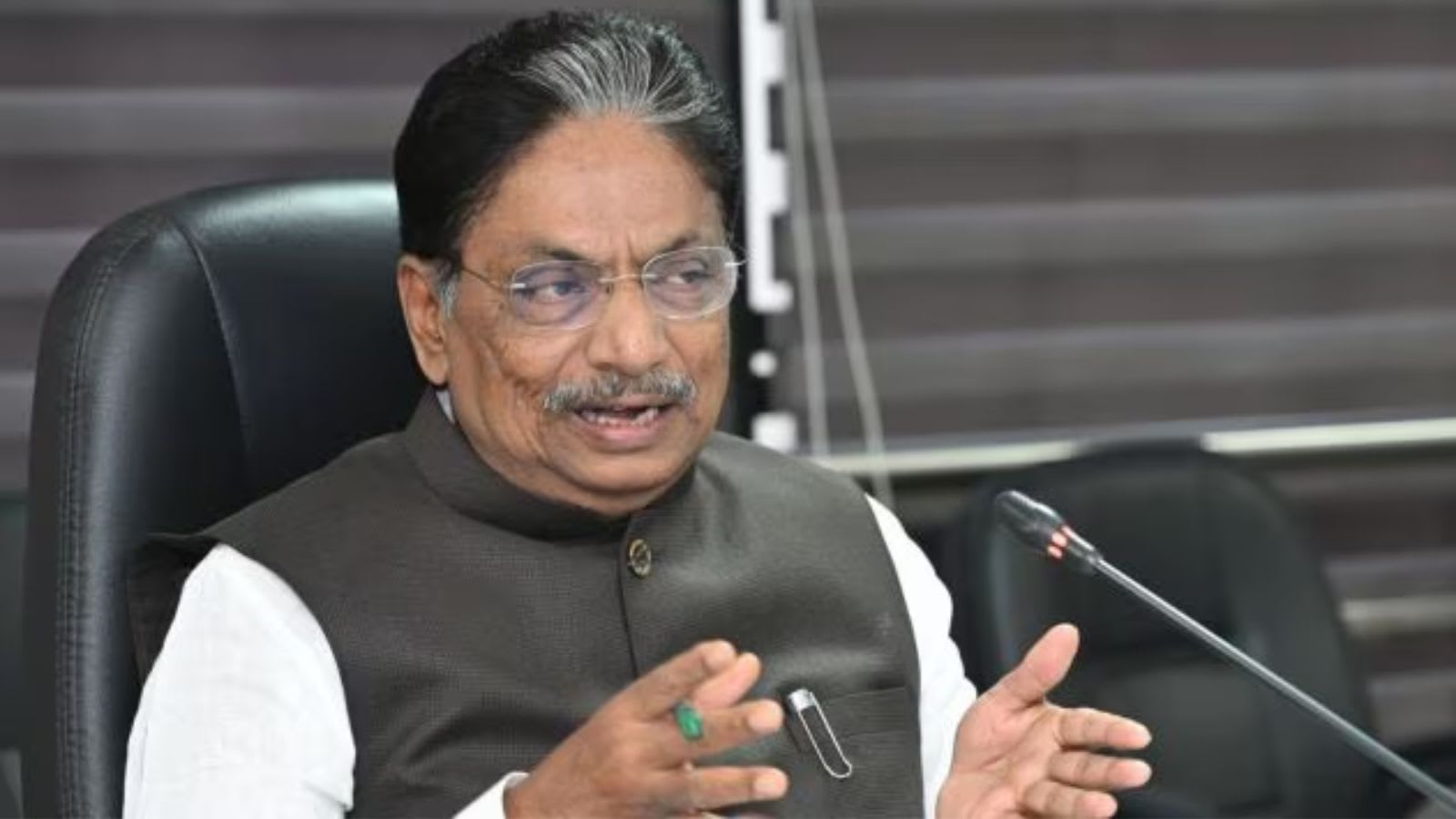
The Gujarat government has increased agricultural power supply to 10 hours daily in 21 districts to mitigate the impact of a prolonged monsoon dry spell. Minister Rushikesh Patel stated that a formal drought declaration will only follow a comprehensive government survey of the affected areas.
Addressing Agricultural Stress in Gujarat
The Gujarat state government has taken proactive steps to address the mounting concerns of the farming community following an extended dry spell during the current monsoon season. Legislative and Parliamentary Affairs Minister Rushikesh Patel announced in the state assembly that agricultural power supply has been increased by two hours, bringing the daily total to 10 hours across 21 of the state’s 34 districts. This intervention is specifically designed to facilitate the operation of borewells, allowing farmers to irrigate standing crops that are currently at risk due to erratic rainfall patterns.
The Demand for Drought Declaration
The government's announcement came in response to persistent pressure from the opposition, specifically four Congress MLAs who raised the issue during the final day of the monsoon session. The opposition has been vocal about the need for official state intervention, arguing that the lack of precipitation in several regions warrants a formal declaration of drought. Such a declaration is critical as it triggers specific disaster relief mechanisms, including financial aid, debt restructuring, and the provision of fodder for livestock, which are essential for supporting the rural economy during periods of climate-induced hardship.
Meteorological Challenges and Regional Disparities
Data from the India Meteorological Department (IMD) highlights the severity of the situation, revealing significant regional disparities in rainfall distribution. While some parts of the state have received adequate moisture, districts such as Kutch, Devbhumi Dwarka, Porbandar, and Jamnagar are currently categorized as critically rain-deficient. Furthermore, an additional 12 districts are reporting rainfall deficits ranging from 20 to 59 percent. These figures underscore the precarious nature of agriculture in these regions, which are highly dependent on the timely arrival and distribution of monsoon rains.
The Government’s Measured Approach
Minister Rushikesh Patel has clarified that the government is not yet ready to formally declare a drought. Instead, the administration maintains that such a significant administrative step must be preceded by a thorough, ground-level survey. This methodological approach ensures that the state’s resources are allocated based on verified data regarding crop loss and water scarcity. By prioritizing a survey, the government aims to avoid premature categorization while simultaneously providing immediate relief through increased electricity access to mitigate the most urgent threats to crop survival.
Future Implications and Policy Trends
The situation in Gujarat reflects a broader trend of increasing climate volatility affecting Indian agriculture. As monsoon patterns become more unpredictable, state governments are increasingly forced to balance immediate crisis management—such as extending power supply hours—with long-term water management strategies. The reliance on borewells as a stop-gap measure is a common but potentially unsustainable practice, as it can lead to the rapid depletion of groundwater tables. Moving forward, the state will likely face mounting pressure to invest in more robust irrigation infrastructure and drought-resistant crop varieties to bolster food security against similar future climate shocks.