‘Marriage to obtain Canadian citizenship’: Gujarat High Court quashes case against husband’s family
Source Entity
Aditi Raja
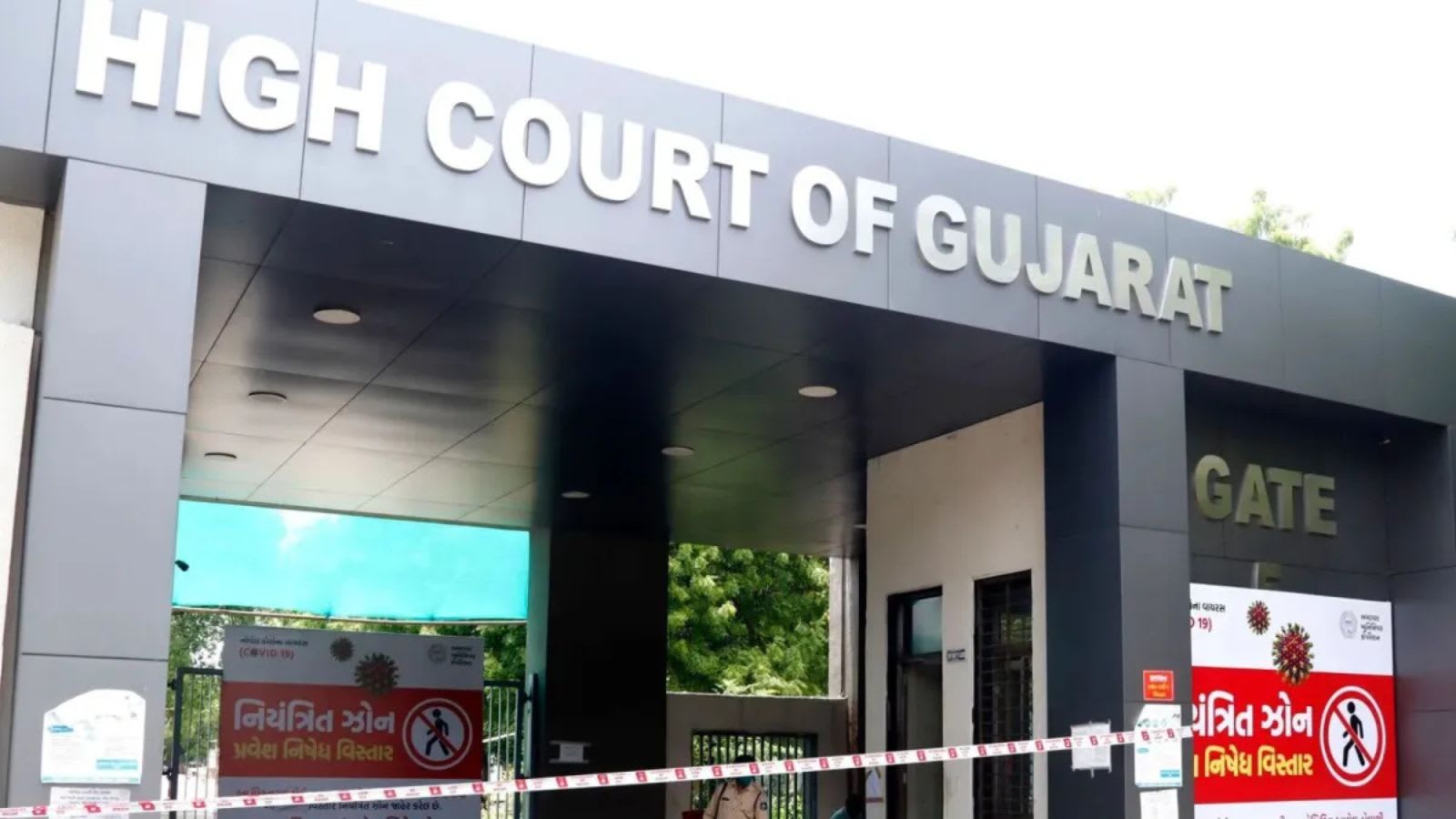
The Gujarat High Court has quashed criminal proceedings against a man's family, ruling that an FIR alleging fraudulent marriage for immigration purposes lacked sufficient evidence. The court emphasized that allegations of conspiracy cannot be sustained by bare statements alone.
Legal Precedent and the Threshold of Evidence
The recent judgment by the Gujarat High Court, presided over by Justice PM Raval, serves as a significant legal intervention regarding the evidentiary requirements for criminal conspiracy charges. By quashing an FIR registered in 2017 against the mother and brother of a man accused of fraudulent marriage, the court has reinforced the principle that criminal liability cannot be established through mere conjecture or unsubstantiated allegations. The case originated from a dispute involving a Canadian woman, whose uncle initiated legal proceedings alleging that the marriage was a tactical maneuver to gain Canadian citizenship.
The Anatomy of the Allegations
The prosecution’s case rested on the premise that the petitioner’s son had entered into a marriage on March 5, 2013, with the primary intent of securing immigration benefits rather than forming a legitimate union. When a Canadian court initially cast doubt on the nature of the marriage, characterizing it as a 'passport to the West,' it triggered a ripple effect of litigation in India. However, the Gujarat High Court’s analysis shifted the focus from the nature of the marriage to the legal validity of the criminal charges brought against the family members of the groom.
Judicial Standards on Criminal Conspiracy
A pivotal aspect of this ruling is the court’s firm stance against the misuse of criminal statutes to settle personal or matrimonial disputes. Justice Raval held that an FIR alleging criminal breach of trust and cheating cannot be sustained based solely on the 'bare statement' of conspiracy. This highlights a critical safeguard in the Indian legal system: the requirement for tangible evidence to link individuals to a criminal act. By dismissing the case against the mother and brother, the court effectively protected these individuals from the potential overreach of the state when evidence of their direct involvement in a conspiracy is absent.
Broader Implications for Immigration-Related Disputes
This case underscores the complex intersection of transnational immigration goals and local criminal law. As globalization facilitates more international marriages, cases where citizenship status is contested or scrutinized are becoming more common. The court’s decision serves as a reminder that while the motives behind a marriage may be subject to scrutiny in immigration courts, they do not automatically translate into criminal liability for relatives under the Indian Penal Code, unless specific, provable acts of fraud or coercion are documented.
Future Trends in Matrimonial Litigation
Looking forward, this judgment may influence how lower courts handle similar 'marriage-for-visa' complaints. It establishes a higher bar for plaintiffs to prove that family members were active conspirators in an alleged immigration fraud. As legal systems continue to grapple with the nuances of international mobility and matrimonial disputes, the requirement for robust documentation rather than anecdotal claims will likely remain a cornerstone of judicial review, ensuring that criminal law is not weaponized in domestic or cross-border conflicts.