Gujarat High Court refuses to cancel conversion case against ASHA worker
Source Entity
Aditi Raja
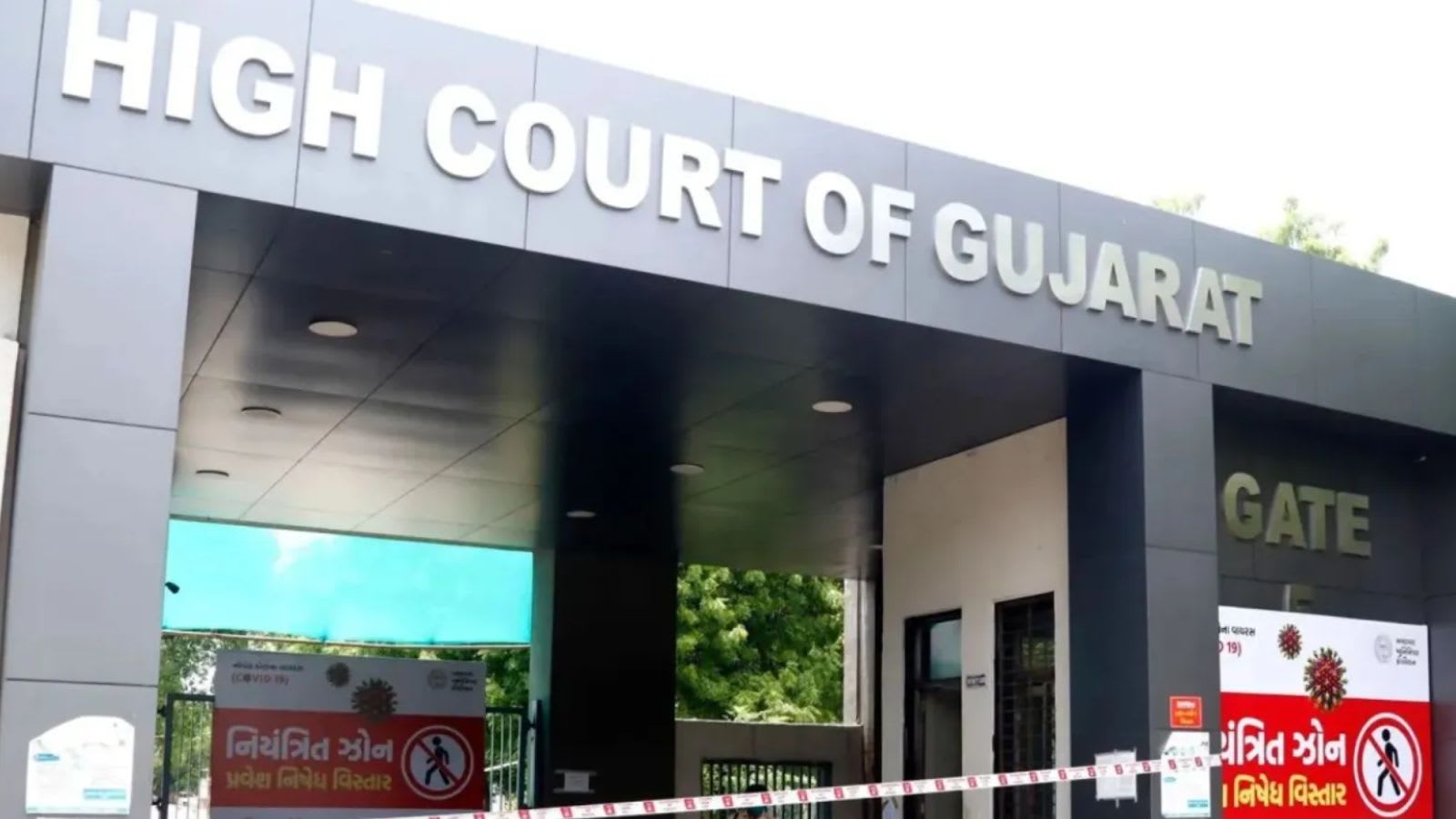
The Gujarat High Court has refused to quash an FIR against an ASHA worker accused of forced religious conversion. The court clarified that constitutional protections for religious propagation do not cover conversions involving coercion or fraud.
Legal Precedent on Religious Propagation in India
The recent decision by the Gujarat High Court to refuse the cancellation of criminal proceedings against an ASHA worker marks a significant interpretation of constitutional law regarding religious freedom. By dismissing the petition filed by Namrata Macwan, Justice M.K. Thakker has reinforced the legal boundaries of Article 25 of the Constitution of India. The court emphasized that while the Constitution grants citizens the right to profess, practice, and propagate religion, this right is not absolute and does not provide a mandate for forced or fraudulent conversions.
Understanding the Gujarat Freedom of Religion Act
The case centers on the Gujarat Freedom of Religion Act, a legislative instrument designed to prevent conversions facilitated by force, fraud, or allurement. The court’s refusal to quash the First Information Report (FIR) underscores the judiciary's commitment to upholding the state's regulatory framework in matters of religious conversion. This act serves as a primary tool for state authorities to investigate allegations where the sanctity of individual choice is compromised by external pressure, particularly within professional or hierarchical environments.
Professional Coercion and Workplace Ethics
A critical aspect of this case involves the allegations that the accused, an ASHA worker, utilized her position to pressure subordinate health workers. The court noted that the allegations involve repeated efforts to propagate Christianity through threats, which challenges the ethical standards of public service. In the context of government health programs, where ASHA workers serve as the backbone of rural healthcare, the intersection of professional duty and private belief becomes a matter of public interest, as any form of coercion can undermine the trust required for community health services.
Constitutional Interpretation of Article 25
Justice Thakker’s observation serves as a clarifying moment for legal scholars and the public alike. By distinguishing between 'propagation' and 'coercive conversion,' the court maintains that the former is a protected expression of faith, while the latter is a violation of the rights of others. This distinction is vital in maintaining the secular fabric of the nation, ensuring that individuals are free to choose their faith without fear of retribution or manipulation by those in positions of influence.
Broader Implications and Future Trends
This ruling signals a trend where the judiciary is increasingly scrutinizing the methods behind religious conversion to ensure they align with the spirit of the law. As India continues to navigate the complexities of religious diversity and legal regulation, similar cases are likely to undergo rigorous judicial review. The refusal to quash the chargesheet suggests that the courts will prioritize the investigation of evidence over the dismissal of cases involving allegations of coercion, ensuring that the legal process reaches its natural conclusion in the trial courts.
Summary of Judicial Stance
Ultimately, the Gujarat High Court’s ruling acts as a definitive statement on the limits of religious expression. By upholding the charges against the accused, the court has sent a clear message that professional authority cannot be weaponized to force religious beliefs upon others. The case remains a focal point for understanding how the Indian judicial system balances the fundamental right to propagate religion with the state's responsibility to protect citizens from deceptive or forceful religious practices.