How Jantar Mantar became Delhi’s designated protest site | Explained
Source Entity
India Latest News: Top National Headlines Today & Breaking News | The Hindu
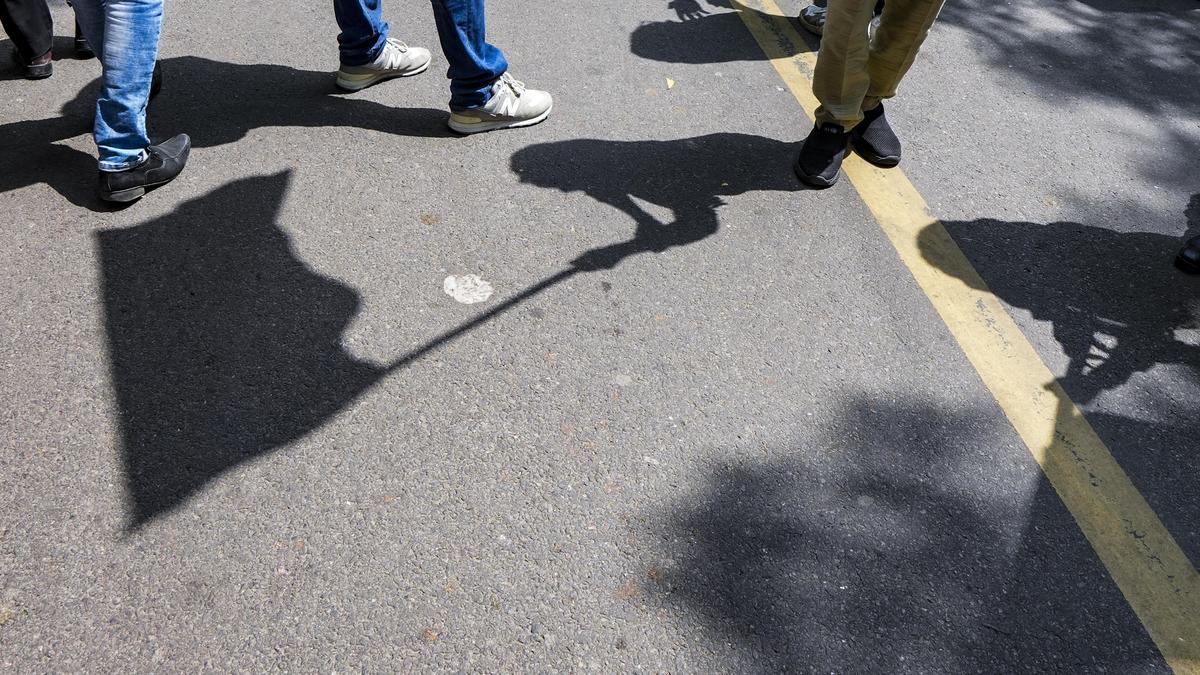
The Supreme Court has directed the Centre to evaluate moving Delhi's primary protest site from Jantar Mantar to Ramlila Maidan. This shift addresses ongoing security and environmental concerns while reflecting the evolution of democratic dissent in the capital.
The Shifting Landscape of Democratic Dissent in Delhi
For over thirty years, the Jantar Mantar road has functioned as the symbolic heartbeat of protest in India’s capital. Serving as the primary venue for activists, unions, and citizens to voice grievances, its proximity to the corridors of power has made it an essential component of the democratic process. However, as the Supreme Court of India recently directed the Centre to consider relocating these activities to Ramlila Maidan, the city stands at a crossroads regarding how it balances public expression with administrative order.
The Security and Environmental Imperative
The move to reconsider Jantar Mantar as the designated protest site is not a sudden development but the culmination of long-standing tensions. Over the years, the site has faced intense scrutiny due to mounting security concerns and environmental regulations that often clash with the chaotic nature of mass demonstrations. The judiciary’s involvement underscores the complexity of maintaining a space that is both accessible to the public and secure enough to prevent the disruptions that have historically plagued the area.
Historical Context: From Boat Club to Jantar Mantar
To understand the gravity of this shift, one must look at the historical evolution of protest geography in Delhi. Before Jantar Mantar became the focal point, the Boat Club was the primary venue for public demonstration. Much like the current situation with Jantar Mantar, the transition away from the Boat Club was driven by the government's need to manage the massive influx of protesters near the Parliament. The current preference for Jantar Mantar over Ramlila Maidan is largely attributed to its strategic location, which allows dissenters to remain within the visible and audible reach of the legislative assembly.
The Ramlila Maidan Alternative
Ramlila Maidan has long existed as an alternative, yet it has never fully eclipsed Jantar Mantar in the public consciousness. While the Maidan provides a more controlled and expansive environment suitable for large-scale gatherings, it lacks the immediate proximity to the legislative nerve center that protesters prize. The Supreme Court's mandate now forces a confrontation between the practical needs of urban management and the perceived efficacy of protest locations.
Future Implications for Civil Society
If the Centre acts on the Supreme Court's directive, the relocation could fundamentally change the visual and psychological impact of protests in Delhi. Moving the venue to Ramlila Maidan may improve traffic flow and security, but critics argue it could also serve to distance protesters from the policymakers they intend to influence. The outcome of this government review will likely set a precedent for how the state manages dissent in an increasingly dense and security-conscious capital city.
Conclusion
The ongoing debate over Delhi’s protest sites illustrates the delicate balance between the right to assemble and the logistical requirements of a modern capital. As the Centre evaluates the transition to Ramlila Maidan, the core of the issue remains the preservation of democratic expression in a space that respects both law and the voice of the citizenry.
Verification Required?