30-year dispute settled, Gujarat set to get water under new inter-state arrangement
Source Entity
Aditi Raja
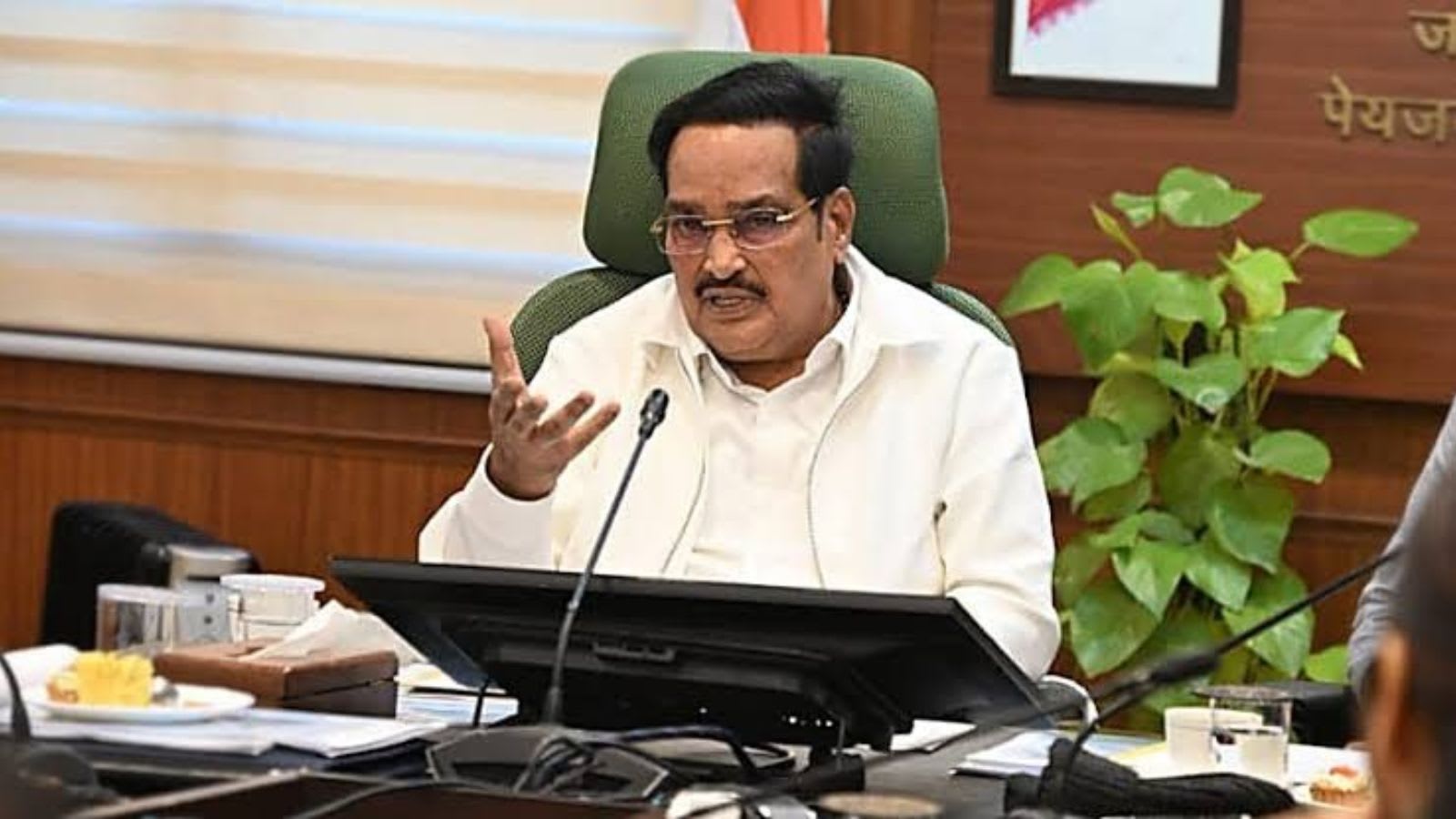
Gujarat, Madhya Pradesh, Maharashtra, and Rajasthan have reached a landmark agreement to resolve a 30-year water dispute. The deal facilitates water supply to Gujarat in exchange for electricity, brokered by Union Home Minister Amit Shah.
Resolving a Three-Decade Impasse
After thirty years of protracted negotiations and regional tensions, a significant breakthrough has been achieved regarding water sharing between Gujarat, Madhya Pradesh, Maharashtra, and Rajasthan. Union Jal Shakti Minister C.R. Patil confirmed that an understanding has been reached, marking the end of a long-standing dispute that has frequently hindered regional cooperation. This resolution is expected to provide much-needed relief to water-stressed regions in Gujarat, which have historically faced acute shortages due to the lack of a formal, mutually beneficial framework.
The Mechanics of the Resource Swap
The core of this agreement lies in a strategic resource exchange: water for electricity. Under this new arrangement, Madhya Pradesh and Maharashtra will facilitate the supply of water to Gujarat. In return, these states will receive electricity to meet their own growing energy demands. This quid pro quo model represents a sophisticated approach to inter-state resource management, moving away from zero-sum conflicts toward a cooperative framework where the specific needs of each state are balanced against the collective benefit of the region.
High-Level Coordination and Governance
The success of these negotiations is largely attributed to the direct intervention of the Union government. The meeting, chaired by Union Home Minister Amit Shah, brought together the Chief Ministers of the four involved states, underscoring the political gravity of the issue. By facilitating high-level dialogue, the central government has acted as a mediator, ensuring that the disparate interests of these states—ranging from irrigation needs in Rajasthan and Gujarat to power requirements in Madhya Pradesh and Maharashtra—were harmonized into a singular, actionable plan.
Broader Implications for Inter-State Relations
This agreement serves as a template for resolving complex federal disputes in India. Inter-state water sharing has historically been a flashpoint for political friction, often leading to prolonged litigation and social unrest. By shifting the focus toward a formalized agreement based on resource complementarity, the participating states have demonstrated that political will can overcome institutional deadlock. This development is likely to improve the overall socio-economic landscape of the affected regions, providing farmers and industries with the stability required for long-term planning.
Future Outlook and Formalization
While the current understanding is a significant milestone, the process is moving toward formalization. Union Minister C.R. Patil indicated that the details of this arrangement will be codified into a formal agreement in the near future. This final step is crucial, as it will provide the legal certainty required to implement infrastructure projects and operationalize the supply chains. As this agreement takes effect, it will likely be monitored as a benchmark for cooperative federalism, potentially influencing how other states handle resource allocation disputes in the years to come.