No discussions regarding merger—neither formal nor informal: NCP
Source Entity
The Indian Express
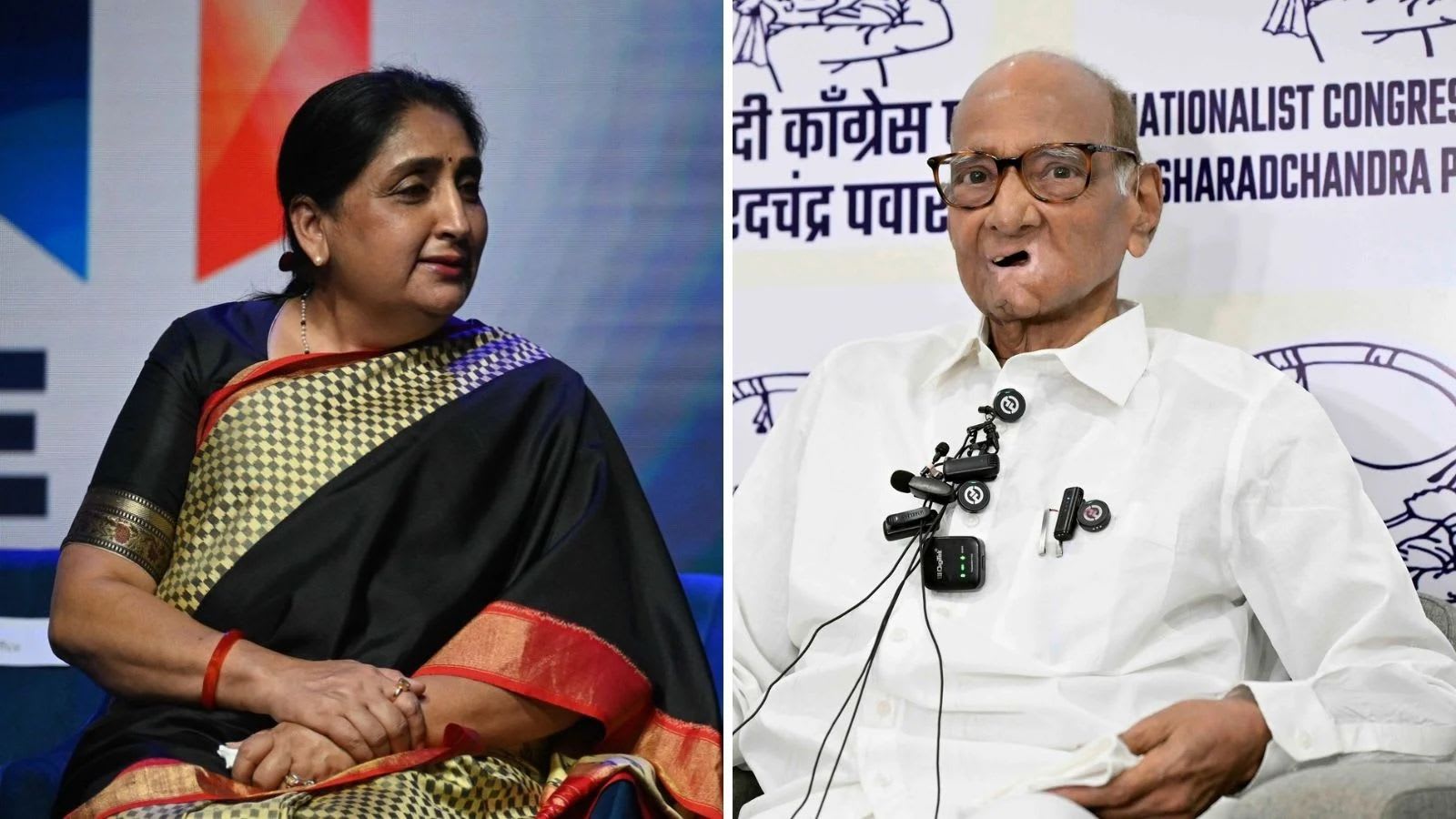
NCP-SP leader Supriya Sule has ruled out a merger with the rival NCP faction following the death of Ajit Pawar. Simultaneously, tensions have surfaced within the Maha Vikas Aghadi alliance over Sule's support for the proposed Delimitation Bill.
Political Realignment and Internal Tensions within Maharashtra's NCP
The political landscape of Maharashtra remains in a state of flux as the Nationalist Congress Party (NCP) navigates the aftermath of significant leadership shifts and ongoing ideological disputes. Supriya Sule, the working president of the Nationalist Congress Party – Sharadchandra Pawar (NCP-SP), has definitively closed the door on any potential merger with the rival faction led by Sunetra Pawar. This declaration follows the tragic death of Ajit Pawar in a plane crash earlier this year, an event that Sule cites as the terminal point for any reunification discussions.
The End of Merger Speculation
For months, rumors of a potential reconciliation between the two NCP factions dominated political discourse in Mumbai. These rumors gained traction following high-level meetings between senior NCP leaders and Union Home Minister Amit Shah. However, the momentum has been abruptly halted. Sunetra Pawar, who assumed leadership following the loss of her husband, has officially denied seeking feedback from her legislators regarding a merger, effectively silencing the internal speculation that had captivated the state’s political corridors.
Delimitation and Intra-Alliance Friction
While the NCP (SP) struggles with its internal identity, it simultaneously faces friction with its primary electoral ally, the Congress. Supriya Sule’s public stance on the proposed Delimitation Bill has caused visible irritation within the Congress ranks. By drawing parallels between the current proposal and the 2007 delimitation exercise conducted under a Congress-led government, Sule intended to contextualize the necessity of the process. She specifically referenced the evolution of the Baramati constituency as a precedent for such administrative changes.
The Congress Response
This comparison did not sit well with the Congress leadership. The Congress Legislative Party leader issued a sharp rebuke, distancing the party from Sule’s support of the Bill. The underlying tension suggests a lack of consensus within the Maha Vikas Aghadi alliance regarding how to approach national legislative reforms. While Sule maintains that her party is willing to support the Bill in principle, the Congress has made it clear that they do not want their brand or historical record associated with the NCP (SP)’s position on this matter.
Broader Implications for Maharashtra Politics
These developments signify a period of recalibration. The definitive rejection of a merger by Sule indicates a hardening of the divide between the two NCP factions, suggesting that the split is likely permanent. Furthermore, the public spat over the Delimitation Bill highlights the fragile nature of political alliances in Maharashtra, where local interests and historical legacies often clash with national policy objectives. As the state moves toward future electoral cycles, the ability of these parties to reconcile their differences—or maintain their current distance—will play a crucial role in the state's political stability.
Multiple Citing Sources