Why 70,000 residents of upscale Gurgaon colony are fighting for security barriers
Source Entity
Abhimanyu Hazarika
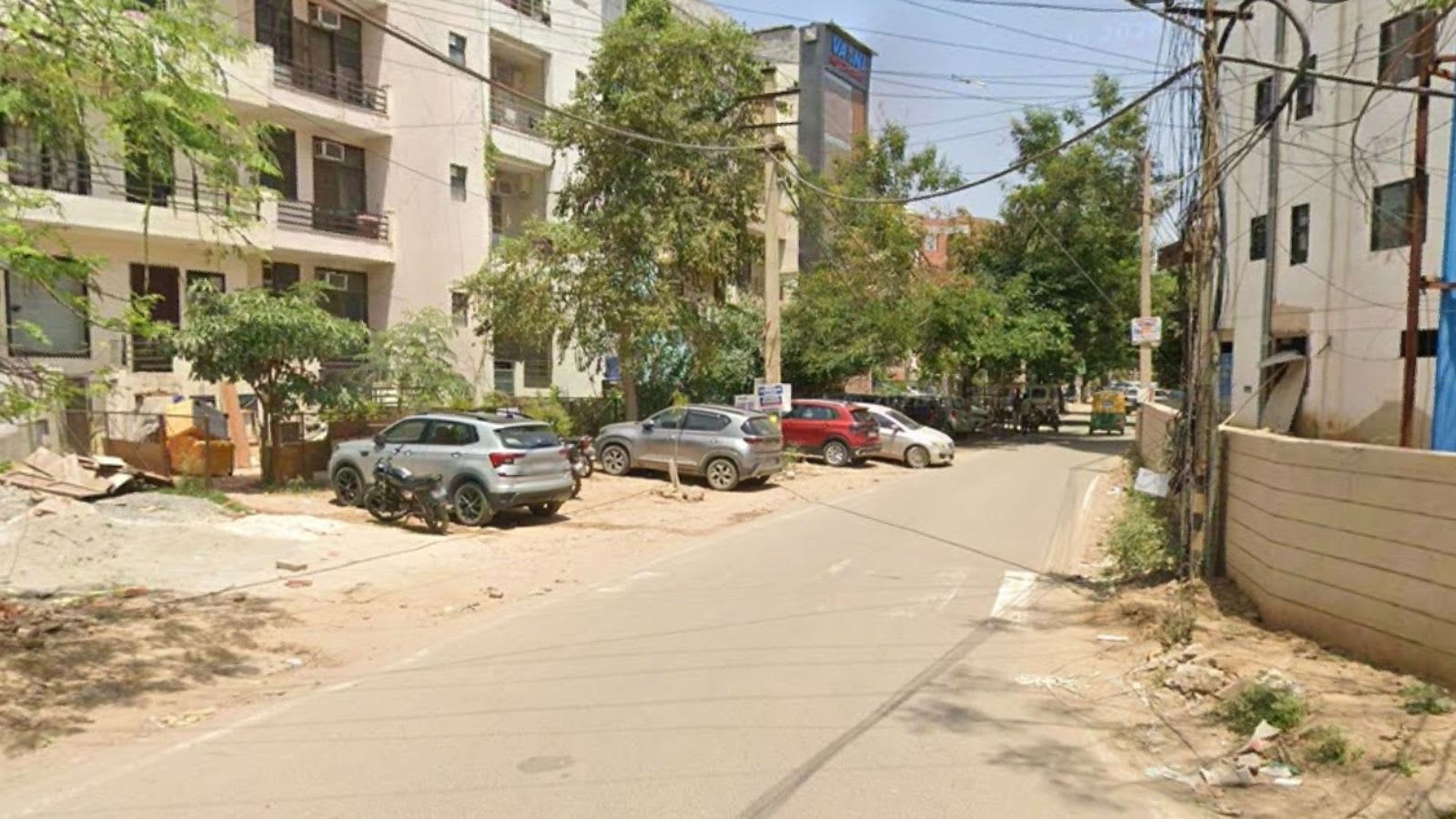
Residents of Gurgaon's upscale Sushant Lok Extension are demanding the installation of security barriers following a surge in thefts and security breaches, highlighting a growing conflict between public urban planning and resident safety.
Urban Insecurity in the Millennium City: The Battle for Sushant Lok Extension
Gurugram, often hailed as India's 'Millennium City,' is characterized by its glittering skyscrapers and sprawling luxury estates. However, beneath this veneer of prosperity lies a simmering crisis of urban security. The current struggle of approximately 70,000 residents in the upscale Sushant Lok Extension colony underscores a critical failure in the intersection of urban planning and public safety. The demand for security barriers is not merely a request for infrastructure but a reaction to a perceived breakdown in law and order within one of the city's most affluent pockets.
The Catalyst: From Luxury to Vulnerability
The urgency of the residents' demands is driven by a series of alarming security breaches. The case of Amit, a long-term resident and property dealer who suffered the theft of his vehicle, serves as a poignant example of the vulnerability facing the community. When residents of high-income brackets—who often contribute significantly to the city's tax base—begin to experience brazen daylight thefts, it signals a shift in the local crime landscape. Such incidents create a psychological ripple effect, transforming a once-secure residential sanctuary into a zone of anxiety, where the lack of controlled access points is seen as an open invitation to criminal elements.
The Gated Community Paradox
At the heart of this conflict is the tension between the concept of 'public roads' and the desire for 'gated security.' In many Indian metropolitan areas, there is a growing trend toward the 'privatization' of residential security. Residents of Sushant Lok Extension are essentially fighting to convert their open neighborhood into a quasi-gated community. From an urban planning perspective, the installation of barriers on public roads is often contested by municipal authorities to ensure the free flow of traffic and public accessibility. However, for the residents, the trade-off between public accessibility and personal safety has become untenable, leading to a direct confrontation with administrative bodies.
Economic Implications and Real Estate Dynamics
Given that the community includes professionals like property dealers, the security crisis has direct implications for real estate valuations. In an upscale market like Gurgaon, 'security' is a premium commodity. The inability to secure the perimeter of a colony can lead to a decline in property desirability and a stagnation of market values. If a neighborhood is perceived as unsafe, the prestige associated with the address diminishes. Therefore, the fight for barriers is as much an economic struggle to protect asset values as it is a struggle for physical safety.
The Governance Gap and Community Agency
This situation highlights a significant 'governance gap' where the state's policing mechanism is viewed as insufficient. When citizens feel forced to fund and manage their own security barriers, it reflects a lack of trust in the local police's ability to patrol and prevent crime effectively. This shift toward community-led security measures is a symptom of a broader trend in Indian urban centers, where the responsibility of safety is being shifted from the state to the individual or the resident welfare association (RWA).
Future Trends in Urban Security
Looking forward, the dispute in Sushant Lok Extension is likely to be a precursor to similar demands across other unplanned or semi-planned colonies in the National Capital Region (NCR). As urban density increases and crime patterns evolve, the demand for 'controlled access' will likely grow. We can expect a rise in the integration of technology—such as AI-driven surveillance and automated number plate recognition (ANPR) systems—to complement physical barriers. However, unless the municipal authorities find a middle ground between public access and resident security, these conflicts will continue to escalate.
Conclusion
The struggle for security barriers in Sushant Lok Extension is a microcosm of the challenges facing modern Indian urbanization. It pits the legal framework of public infrastructure against the visceral need for safety in an era of rising urban crime. While barriers may provide a temporary sense of security, the long-term solution lies in a more robust integration of community policing and smarter urban design that prioritizes safety without completely isolating residential pockets from the city fabric.