Gangster-turned-politician Gurpreet Singh Sekhon joins AAP
Source Entity
Raakhi Jagga
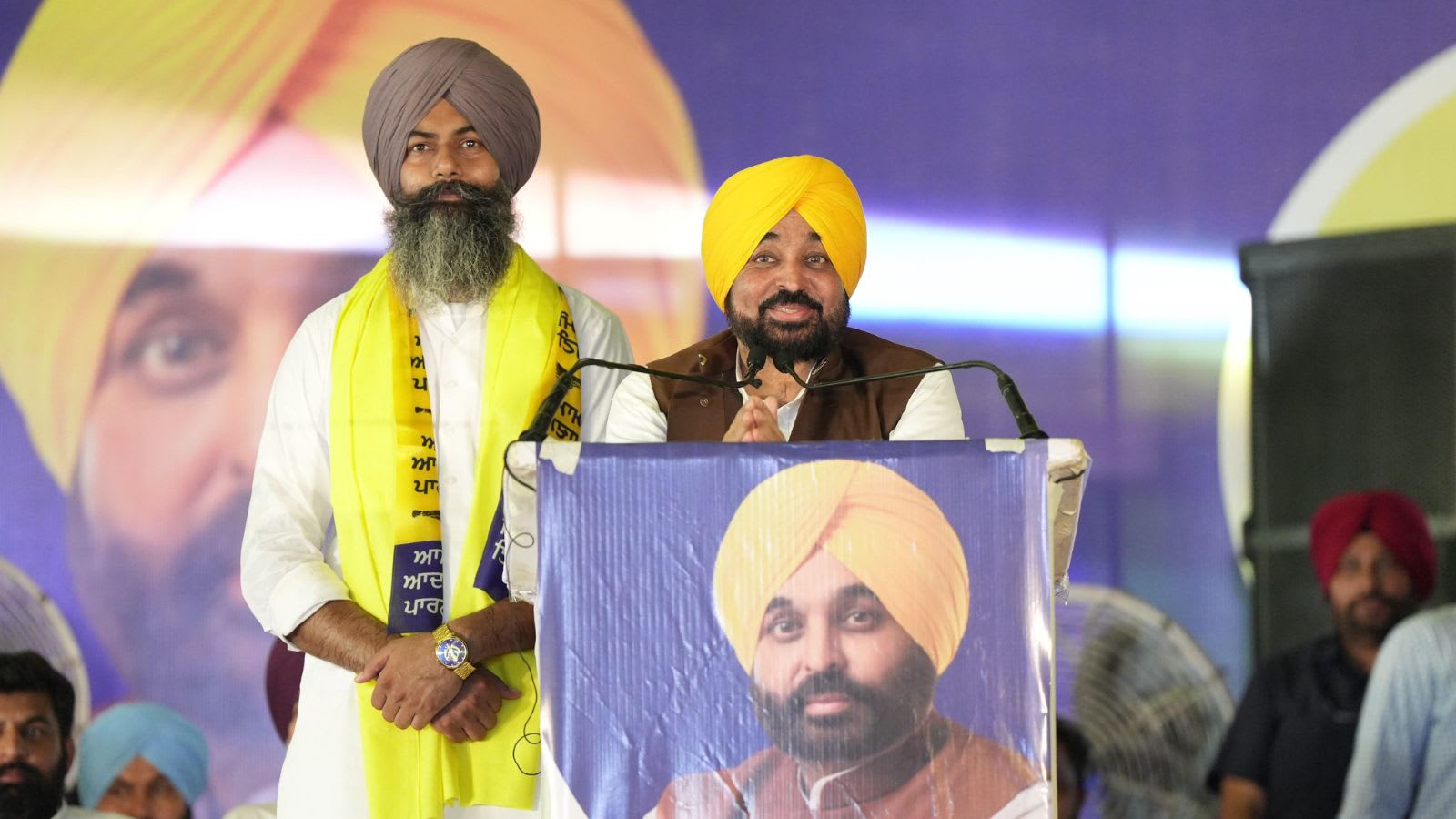
Gurpreet Singh Sekhon, the mastermind of the 2016 Nabha jailbreak, has joined the Aam Aadmi Party in the presence of CM Bhagwant Mann. This move has sparked intense controversy due to Sekhon's history of 47 criminal cases.
The Political Integration of Gurpreet Singh Sekhon
The recent induction of Gurpreet Singh Sekhon into the Aam Aadmi Party (AAP) has sent shockwaves through the political landscape of Punjab. Sekhon, a figure historically associated with serious criminal activities, joined the party during a public rally in Zira in the presence of Chief Minister Bhagwant Mann. This event marks a significant and controversial development in the lead-up to future electoral cycles, as the party seeks to consolidate influence in the Ferozepur district.
A Notorious Criminal Past
Sekhon’s background is defined by his involvement in high-profile criminal matters. He is widely recognized as the primary accused in the 2016 Nabha jailbreak, a sensational event that challenged the state's security apparatus. With a criminal record spanning 47 registered cases, his transition from the fringes of the underworld to mainstream political platforms represents a complex intersection of crime and governance. Although sentenced to 10 years in prison in March 2023 for the jailbreak, he was granted bail in November 2023, facilitating his current political maneuvers.
Strategic Ambitions in Zira
Before his formal entry into the AAP, Sekhon had already begun establishing a political footprint in the Zira Assembly constituency, where he had previously declared his intention to contest the 2027 elections as an Independent. By opening an office in the region just ten days prior to his official induction, he signaled a clear intent to mobilize local support. His integration into the AAP, a party that rose to power on an anti-corruption platform, presents a stark contrast to the party's foundational rhetoric.
The AAP Perspective
Chief Minister Bhagwant Mann’s public endorsement of Sekhon serves as a pivotal moment for the AAP. During the rally, Mann framed the induction as an indicator of public sentiment, suggesting that the electorate is disillusioned with traditional political parties and is instead shifting toward a "politics of work." This narrative attempts to rebrand Sekhon’s entry not as a liability, but as a strategic alignment with local demands for political change in rural Punjab.
Broader Political Implications and Criticism
Predictably, the move has drawn sharp criticism from opposition parties, who argue that the inclusion of an individual with such a profound criminal history undermines the integrity of the democratic process. The controversy raises broader questions regarding the vetting processes of political parties and the influence of local strongmen in regional elections. As the state moves toward future electoral contests, the presence of figures like Sekhon in major parties will likely continue to be a lightning rod for debate regarding the criminalization of politics.
Future Trends in Punjab Politics
Looking ahead, the inclusion of controversial figures into mainstream parties may indicate an increasing reliance on local power brokers to secure votes in volatile constituencies. If the AAP’s strategy is to prioritize local influence over the potential reputational fallout of such inductions, we may see a trend where political efficacy is placed above historical records. Whether this gamble pays off in the 2027 elections remains to be seen, but it undoubtedly complicates the narrative surrounding Punjab’s political trajectory.
Multiple Citing Sources