Rs 20-crore homes, anti-smog guns and sprinklers: How Gurugram’s rich are battling toxic air
Source Entity
Abhimanyu Hazarika
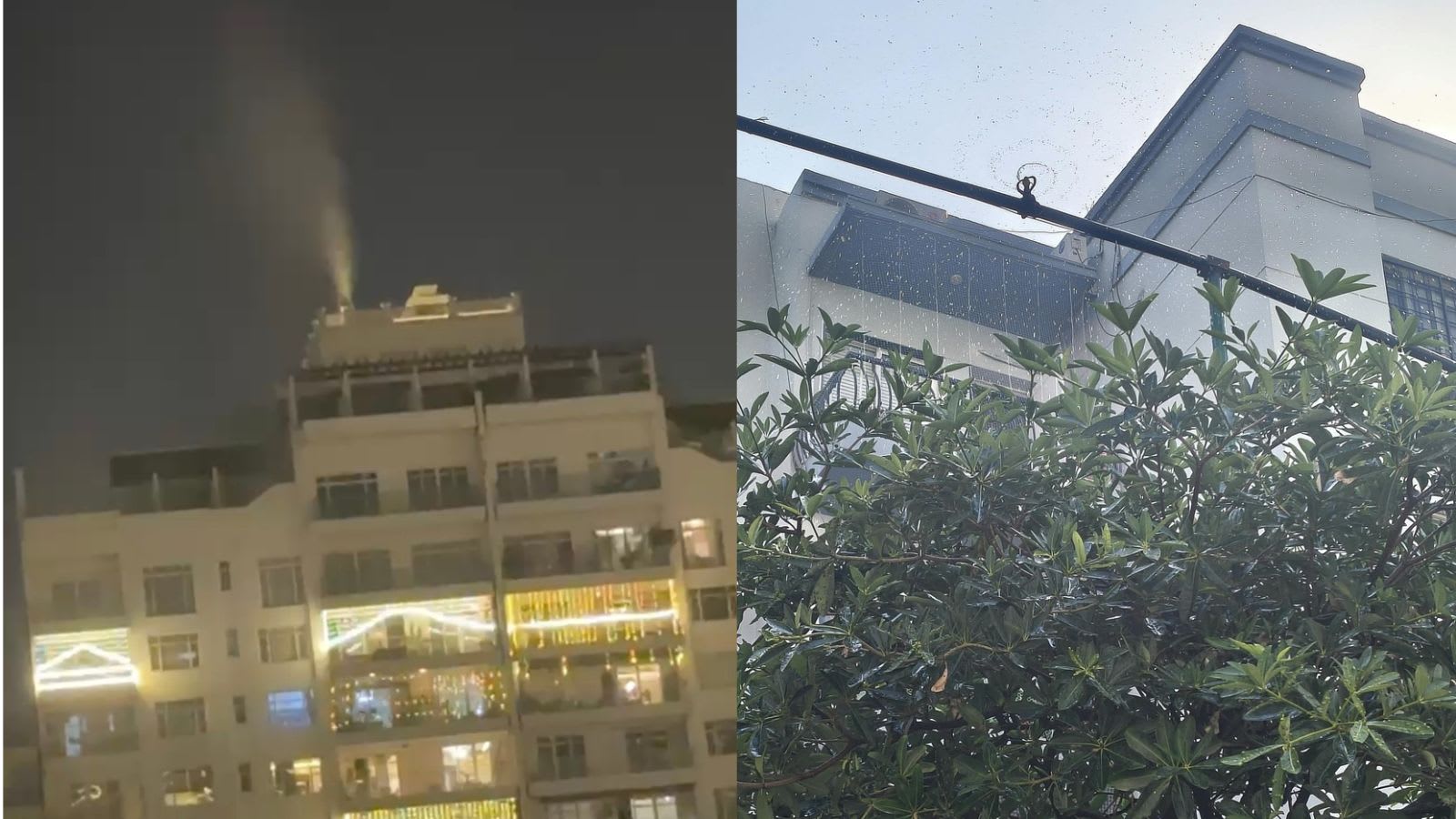
Residents in Gurugram are increasingly resorting to temporary winter relocation to escape hazardous pollution levels. Meanwhile, wealthy homeowners are deploying expensive mitigation measures like anti-smog guns, highlighting the growing environmental divide.
The Winter Migration: Gurugram’s Pollution Crisis
For residents of Gurugram, the arrival of winter no longer signals a change in weather, but a recurring public health emergency. With the Air Quality Index (AQI) frequently soaring into the 'very poor' category—recently recorded at 323 in Sector 29—the city’s atmosphere has become increasingly hostile. For many families, standard precautions like masking up or keeping windows sealed are no longer sufficient to protect their health.
The Rise of Seasonal Relocation
As air quality deteriorates between October and February, a growing number of families are choosing to abandon their homes entirely. This trend is particularly prevalent among parents with children and those caring for family members with chronic respiratory conditions. By choosing to move cities for several weeks at a time, these residents are attempting to break the cycle of recurring illnesses and emergency hospital visits that have become synonymous with the winter season in the National Capital Region.
The Socio-Economic Divide in Mitigation
While some families flee, others attempt to engineer their own safety within the city. In luxury developments like Central Park Resorts in Sector 48, homeowners are utilizing high-end infrastructure to combat the smog. This includes the deployment of anti-smog guns on rooftops and the use of specialized vehicles to spray water mist across residential avenues. These measures represent a desperate attempt to reclaim a healthy living environment, yet they underscore the limitations of private intervention.
The Fragility of Urban Prosperity
Even for those residing in properties valued upwards of Rs 20 crore, the smog serves as a constant reminder of urban vulnerability. As noted by Indian Air Force veteran Capt. Sanjiv Yadav, there is a profound sense of helplessness when personal wealth cannot insulate one from environmental degradation. The inability to control the air quality outside one's own high-value home highlights a systemic failure that transcends individual economic status.
Broader Implications and Future Trends
This trend of temporary migration and the reliance on expensive anti-smog technology signals a significant shift in urban living patterns. The disruption to schooling, work, and family routines caused by these displacements creates long-term social instability. As pollution levels remain consistently hazardous, it is likely that the 'environmental migrant' will become a more common demographic in India, forcing a re-evaluation of urban planning and environmental policy to address the root causes of the smog rather than just its symptoms.