From ‘Forgive my Punjab’ to ‘not Punjab’: Harbhajan Singh’s video post sparks row
Source Entity
The Indian Express
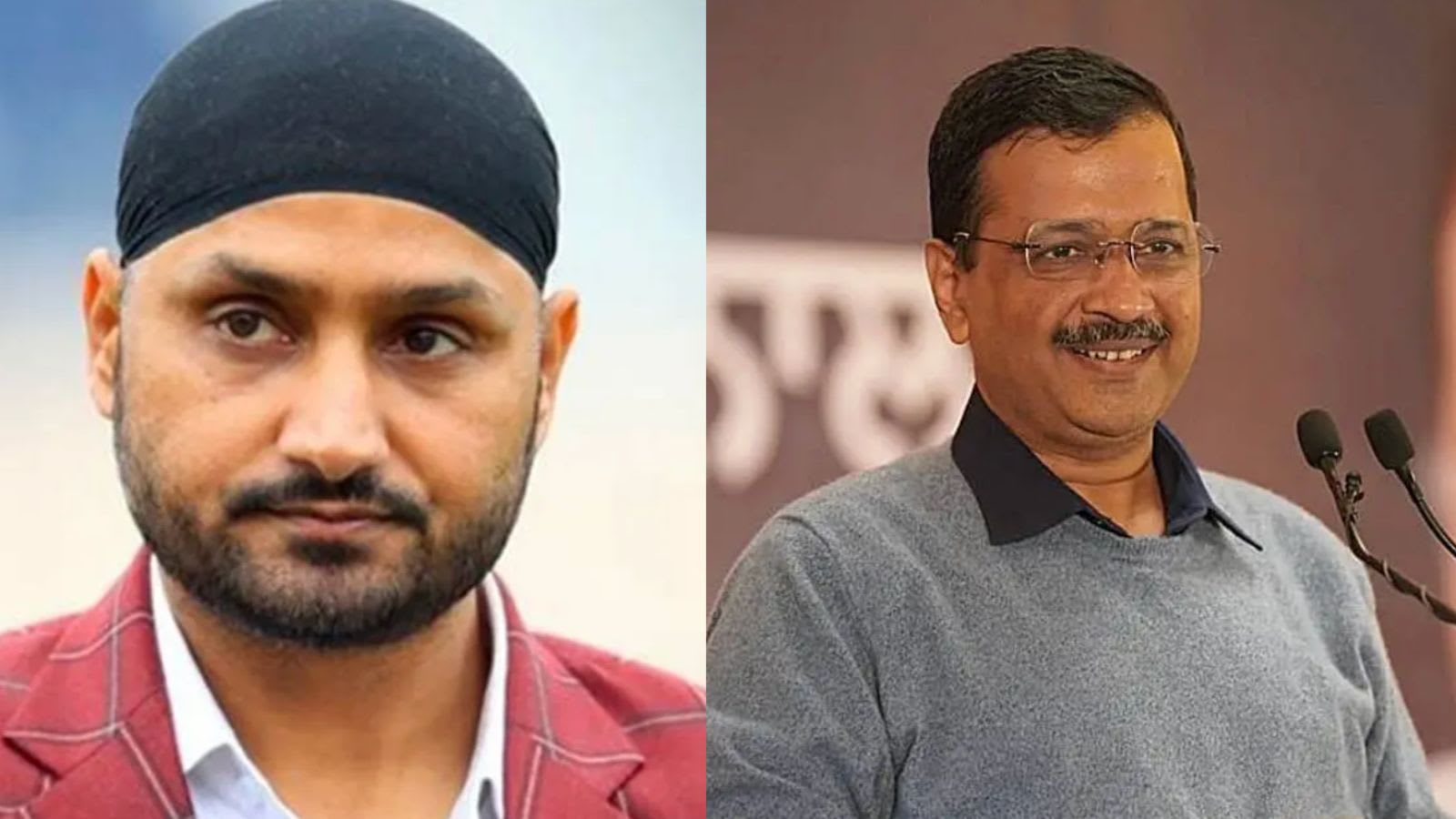
BJP Rajya Sabha MP Harbhajan Singh faced backlash after sharing a video of intoxicated men, falsely attributing it to Punjab. Punjab Police and AAP leaders confirmed the footage originated in Rajasthan, sparking a political debate over misinformation.
The Perils of Digital Misinformation in Modern Politics
In an era where social media serves as a primary battleground for political discourse, the incident involving BJP Rajya Sabha MP Harbhajan Singh highlights the growing dangers of unverified content. On August 10, 2026, the former cricketer shared a video on X depicting two men in a motionless, apparently intoxicated state, using the footage to criticize the current state of youth and governance in Punjab. This post, intended to highlight a perceived societal crisis, quickly devolved into a controversy regarding the authenticity and source of the visuals.
The Fact-Check: Debunking the Punjab Narrative
The narrative promoted by Singh was swiftly challenged by the Aam Aadmi Party (AAP) and the Punjab Police. Official investigations clarified that the video did not originate within the borders of Punjab, but rather from the neighboring state of Rajasthan. By misattributing the footage, the political discourse shifted from a legitimate discussion on substance abuse to a heated debate regarding the spread of misinformation and the responsibility of public figures in the digital age.
Political Implications and Partisan Tensions
The controversy underscores the deep-seated political rivalry between the BJP and the AAP in Punjab. Harbhajan Singh, who transitioned from an AAP-aligned background to join the BJP in April, found himself at the center of a narrative battle. AAP leaders, including senior party figures, utilized the error to accuse the BJP of "peddling lies" to undermine the current state administration. This highlights how viral media is increasingly weaponized to shape public perception, often bypassing the vetting processes required for responsible political communication.
Accountability and the Role of Public Figures
For public figures, the influence of a single post on social media carries significant weight. Singh’s call for "honesty, accountability, and urgent action" was ironically undermined by the inaccuracy of the evidence he presented. This incident serves as a case study for the necessity of rigorous fact-checking before sharing sensitive content. When high-profile politicians amplify misinformation, it not only impacts public trust in the individual but also exacerbates regional tensions and stigmatizes the population of the region being falsely depicted.
The Broader Context of Substance Abuse Discourse
While the video in question was debunked, the underlying concern regarding substance abuse in Punjab remains a sensitive and volatile topic. By attempting to use the video as a symbol of Punjab’s "sorry state," the discourse highlights a broader struggle to address public health issues. The incident illustrates that when political actors use sensationalist, unverified content to frame complex societal problems, the resulting noise often drowns out substantive policy debate, leaving the public misinformed.
Conclusion: A Lesson in Digital Literacy
The controversy serves as a stark reminder that the internet is a "tricky place" for political actors. As social media continues to be a primary source of news for the electorate, the responsibility to verify claims before dissemination becomes paramount. Moving forward, this event is likely to fuel calls for greater media literacy and more stringent accountability for political representatives who leverage digital platforms to influence the public narrative.