Harvard expert on spiritual well-being: How everyday activities can become a form of meditation
Source Entity
Latest News: Todays Latest News Headlines from India & World | Hindustan Times
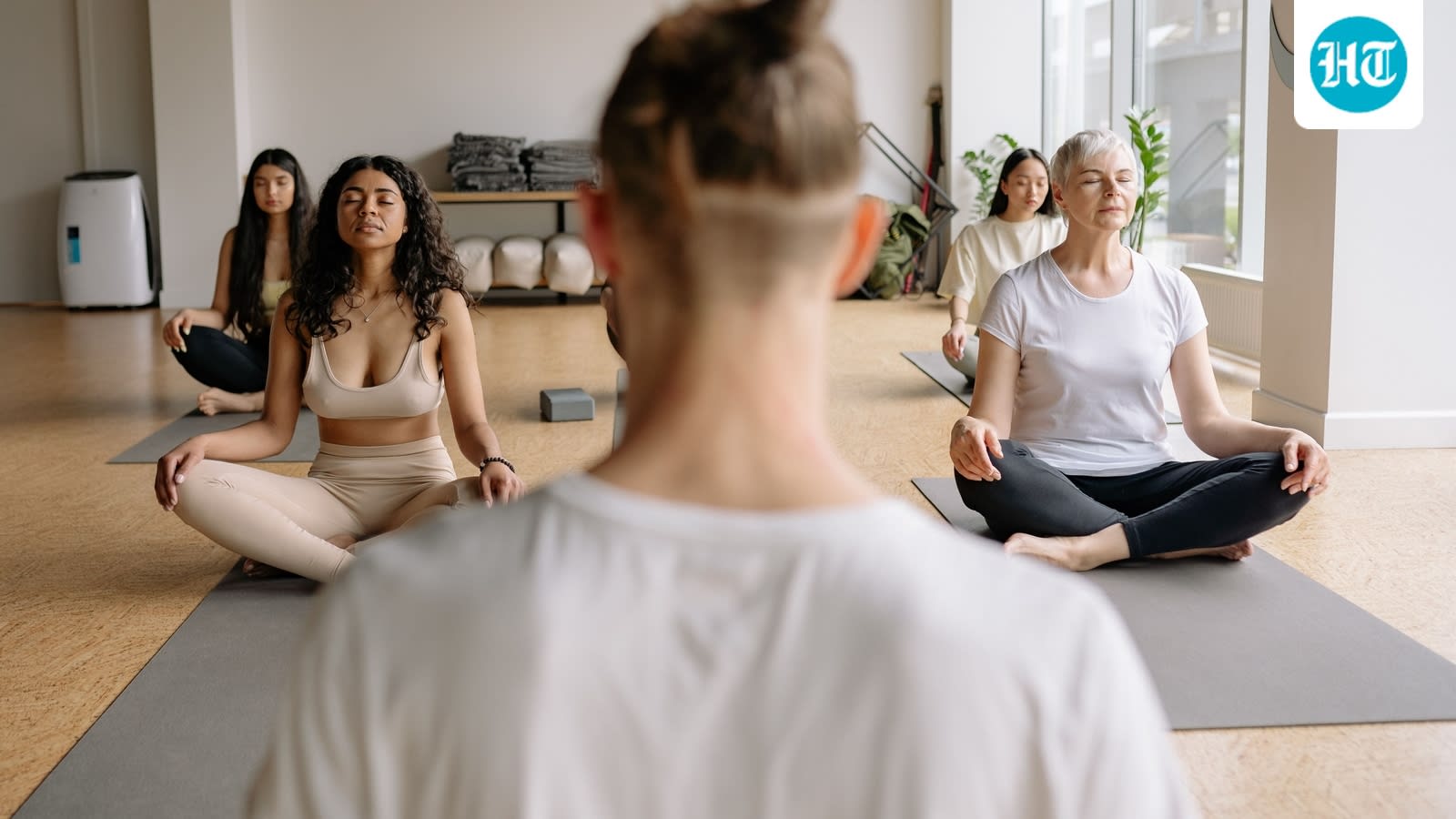
Harvard Divinity School's Monica Sanford explains that mindfulness does not require formal meditation settings. By dedicating full attention to routine tasks like washing dishes or walking, individuals can effectively integrate meditative practices into their daily lives.
Redefining Mindfulness: Beyond the Meditation Cushion
In a contemporary landscape often defined by chronic distraction and high-stress environments, the concept of mindfulness has gained significant traction as a vital tool for mental well-being. A recent interview with Monica Sanford, Lecturer in Ministry Studies and Assistant Dean for Multireligious Ministry at Harvard Divinity School, challenges the traditional notion that mindfulness necessitates a secluded, silent environment or specialized equipment like meditation cushions. Instead, Sanford posits that the practice is fundamentally about the quality of attention we bring to our lived experiences.
The Philosophy of Mindful Presence
Sanford, who serves as an ordained Buddhist lay minister, emphasizes that mindfulness is an accessible, democratic practice. By anchoring oneself in the present moment, individuals can transform mundane, repetitive chores—such as washing dishes, folding laundry, or taking a simple walk—into active meditative opportunities. This shift in perspective moves mindfulness away from a 'scheduled event' and into a continuous state of being, where the task itself becomes the focal point of consciousness.
Theoretical Foundations in Buddhist Practice
At its core, this approach draws directly from deep-seated Buddhist teachings, which have long championed the idea of 'right mindfulness' as a path to clarity and emotional regulation. By focusing fully on the sensory details of an everyday activity, practitioners can interrupt the cycle of ruminative thinking and anxiety that often plagues modern life. This integration of ancient philosophical wisdom into the rhythm of the 21st century provides a practical framework for stress reduction that requires no additional time in an already packed schedule.
Implications for Modern Mental Health
The broader implication of Sanford’s perspective is a significant reduction in the barrier to entry for mental health maintenance. Many people feel deterred from mindfulness practice because they believe they lack the time or the 'correct' environment to meditate properly. By reframing housework or walking as meditative acts, Sanford suggests that we can mitigate psychological distress through the very activities we already perform daily. This normalization of mindfulness is a critical trend in public health discourse, moving mental wellness from a luxury practice to a functional, integrated lifestyle choice.
Future Trends in Holistic Well-being
As we look toward the future of mental health interventions, the emphasis on 'micro-meditations' or 'integrated mindfulness' is likely to grow. Experts are increasingly recognizing that sustained attention, even for short durations during routine tasks, can have profound effects on the nervous system. By following the guidance provided by institutions like the Harvard Divinity School, individuals can cultivate a more resilient psychological state, proving that tranquility is not something found only in an ashram, but something that can be cultivated in the kitchen or on the sidewalk.
Verification Required?