Haryana DGP admits lapses in handling of Yuvraj Singh Manchanda's body
Source Entity
Latest News: Todays Latest News Headlines from India & World | Hindustan Times | Hindustan Times
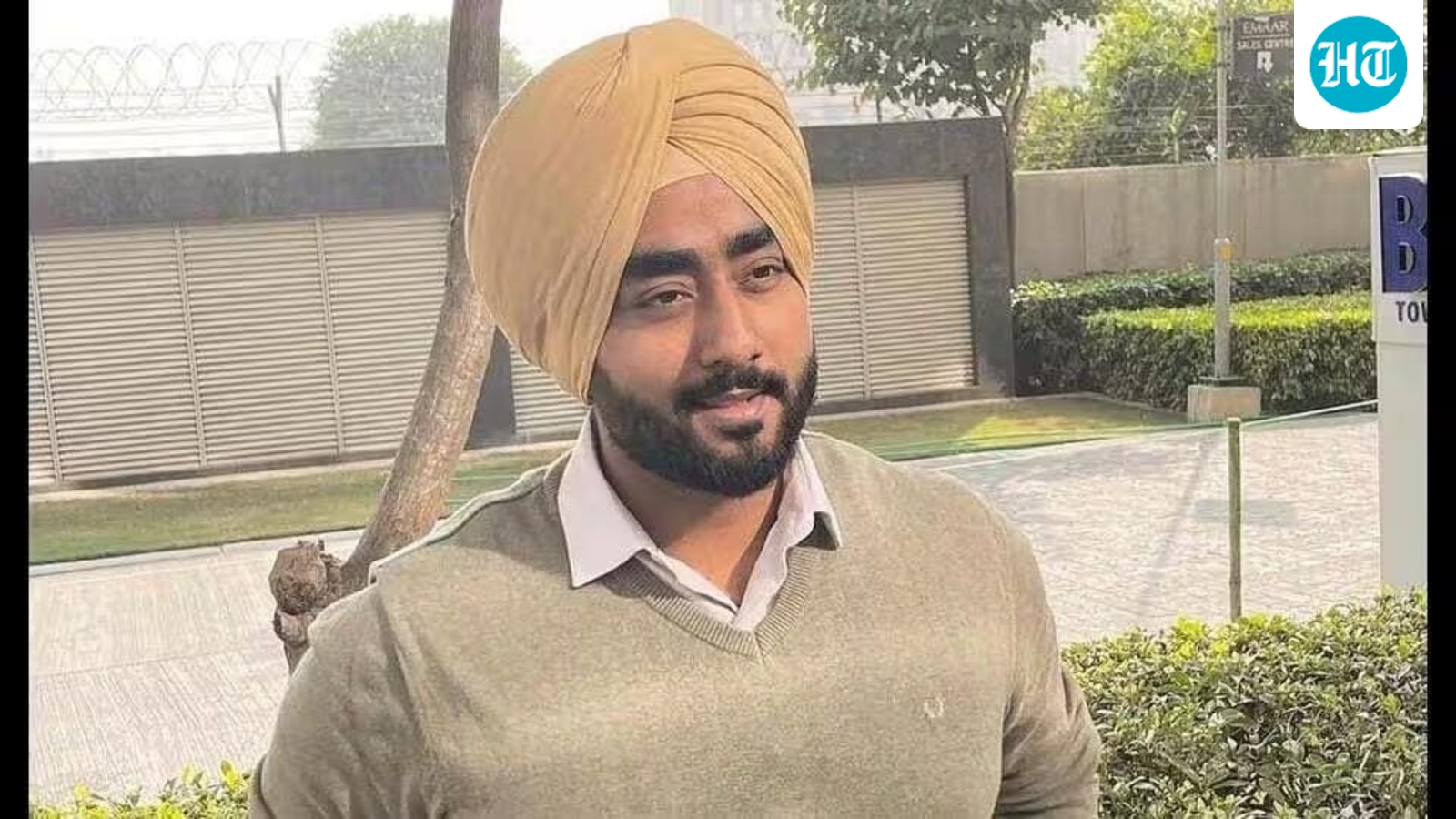
Haryana DGP Ajay Singhal has acknowledged procedural lapses in the handling of Yuvraj Singh Manchanda's body following a Delhi court's intervention. The police are now reviewing protocols to ensure better management of unidentified remains after the victim's body was found in a decomposed state.
Police Procedural Lapses in the Yuvraj Singh Manchanda Case
Acknowledgment of Administrative Failures
Haryana Director General of Police (DGP) Ajay Singhal has formally acknowledged that there were significant lapses in how the Gurugram Police handled the body of Yuvraj Singh Manchanda. The case, which involves the recovery of a decomposed body from sewage-filled land in Badshahpur, has drawn intense scrutiny after a Delhi court took formal cognisance of the mishandling. The DGP’s admission marks a critical turning point, as it shifts the narrative from defensive posturing to an internal accountability process.
Context of the Investigation
Yuvraj Singh Manchanda, a resident of Sarita Vihar, went missing on the evening of September 6 after traveling from Lajpat Nagar market to Gurugram. The subsequent discovery of his body in a state of decomposition in an isolated, sewage-filled area highlights the initial difficulties faced by law enforcement in identifying the victim and securing the scene. The Gurugram Police had initially defended their three-day preservation procedure for unidentified bodies, but the court’s intervention has necessitated a re-evaluation of these standard operating procedures.
Legal and Procedural Implications
The Delhi court’s decision to take cognisance of the lapses underscores the judiciary's role in monitoring police conduct during sensitive investigations. When a body is recovered in a decomposed state, the chain of custody and the preservation of forensic evidence are paramount. Any deviation from established norms can jeopardize the criminal investigation and hinder the pursuit of justice for the victim's family. The DGP’s promise to "amend our instructions" suggests that the current protocols may have been insufficient for handling cases involving complex recovery sites.
Broader Impact on Forensic Protocols
This incident brings to light the broader systemic challenges faced by police forces in managing unidentified bodies in rapidly urbanizing regions like Gurugram. The intersection of administrative failure and judicial oversight often leads to a modernization of forensic handling. By committing to issue "appropriate directions," the Haryana Police headquarters is signaling a move toward stricter, more transparent protocols that prioritize the dignity of the deceased and the integrity of evidence collection.
Future Trends and Accountability
Looking ahead, this case is likely to serve as a catalyst for policy reform within the Haryana Police. As the legal proceedings continue, the focus will remain on how the promised amendments to police instructions are implemented on the ground. The public and the judiciary will be watching to see if these procedural shifts lead to more efficient handling of similar cases in the future, ultimately aiming to prevent the recurrence of such lapses in high-profile criminal investigations.
Verification Required?