2020 Hathras rape: Court to hear defamation case against Rahul Gandhi on Sept 19
Source Entity
Latest News: Todays Latest News Headlines from India & World | Hindustan Times | Hindustan Times
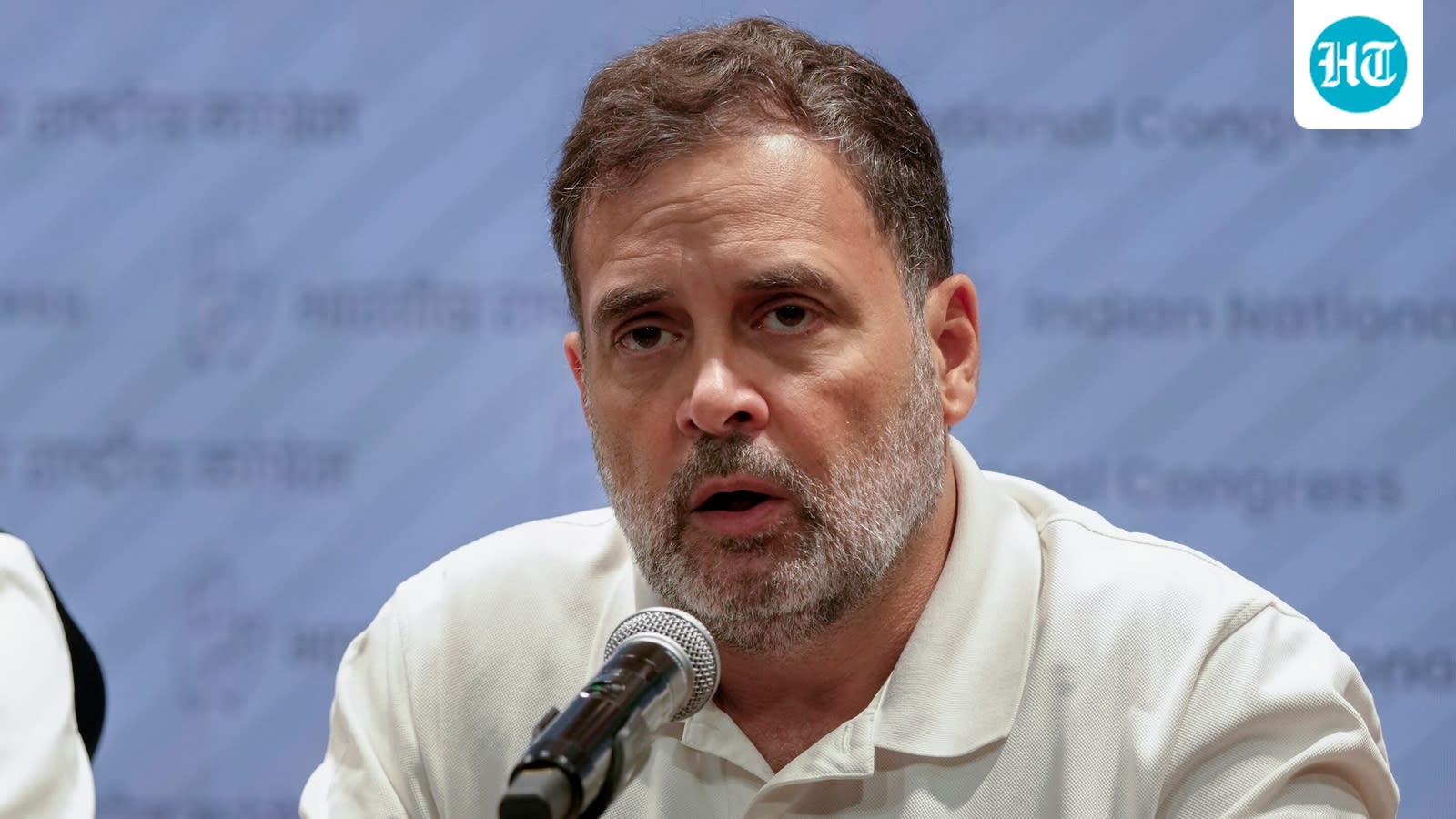
A defamation case against Rahul Gandhi regarding his 2020 Hathras rape case remarks will be heard on September 19. The court confirmed that notice was served to the Leader of Opposition.
Legal Proceedings Against Rahul Gandhi Over Hathras Remarks
The ongoing legal discourse surrounding the 2020 Hathras case has reached a new juncture, with the MP/MLA Court in Uttar Pradesh setting September 19 as the date for a hearing regarding a defamation suit against Leader of Opposition Rahul Gandhi. The litigation stems from specific comments made by Gandhi concerning the treatment of the victim's family following the high-profile incident, which sparked national outrage and significant political debate.
The Nature of the Defamation Claim
At the core of this legal dispute is the assertion that Rahul Gandhi made statements alleging that the accused individuals in the 2020 Hathras case were "roaming free" while the victim's family was allegedly confined to their residence. The complainant, represented by counsel Munna Singh Pundhir, argues that these remarks were defamatory in nature. The court, presided over by Additional District Judge Vijay Kumar Dwivedi, has now confirmed that the formal notice has been successfully served to Gandhi.
Procedural Developments
Following a revision petition heard on July 15, the court issued the notice, setting the current procedural wheels in motion. During the most recent hearing, the court was formally notified that Gandhi had received the documents, effectively moving the case into its next stage. This procedural milestone ensures that the legal arguments from both the complainant and the defense will be addressed when the court reconvenes in September.
Historical Context and Political Implications
This case serves as a continuation of the intense political scrutiny that followed the 2020 Hathras incident. The case became a flashpoint for discussions on law and order, caste dynamics, and the role of the opposition in holding the administration accountable. By targeting statements made by a prominent political figure, the litigation underscores the tension between political rhetoric and legal liability regarding public interest issues.
Broader Legal Trends
Defamation cases involving high-profile political figures are becoming increasingly common in the Indian judiciary. These proceedings often test the boundaries of free speech and political criticism. As this case progresses, it will likely be monitored by observers interested in how courts balance the right to political critique against claims of reputational damage, especially in the context of sensitive, high-stakes investigations.
Conclusion and Future Outlook
The upcoming hearing on September 19 represents a critical moment for both the plaintiff and the defense. Whether the court finds merit in the defamation claim or potentially dismisses it—as has occurred with previous pleas related to this case—will have significant implications for how political leaders navigate public discourse. The legal community and the public will be watching to see how the court adjudicates these competing narratives of accountability and speech.
Verification Required?