Restaurant charges customer Rs 2 extra on water bottle, told to pay Rs 1 lakh fine
Source Entity
Ashish Shaji
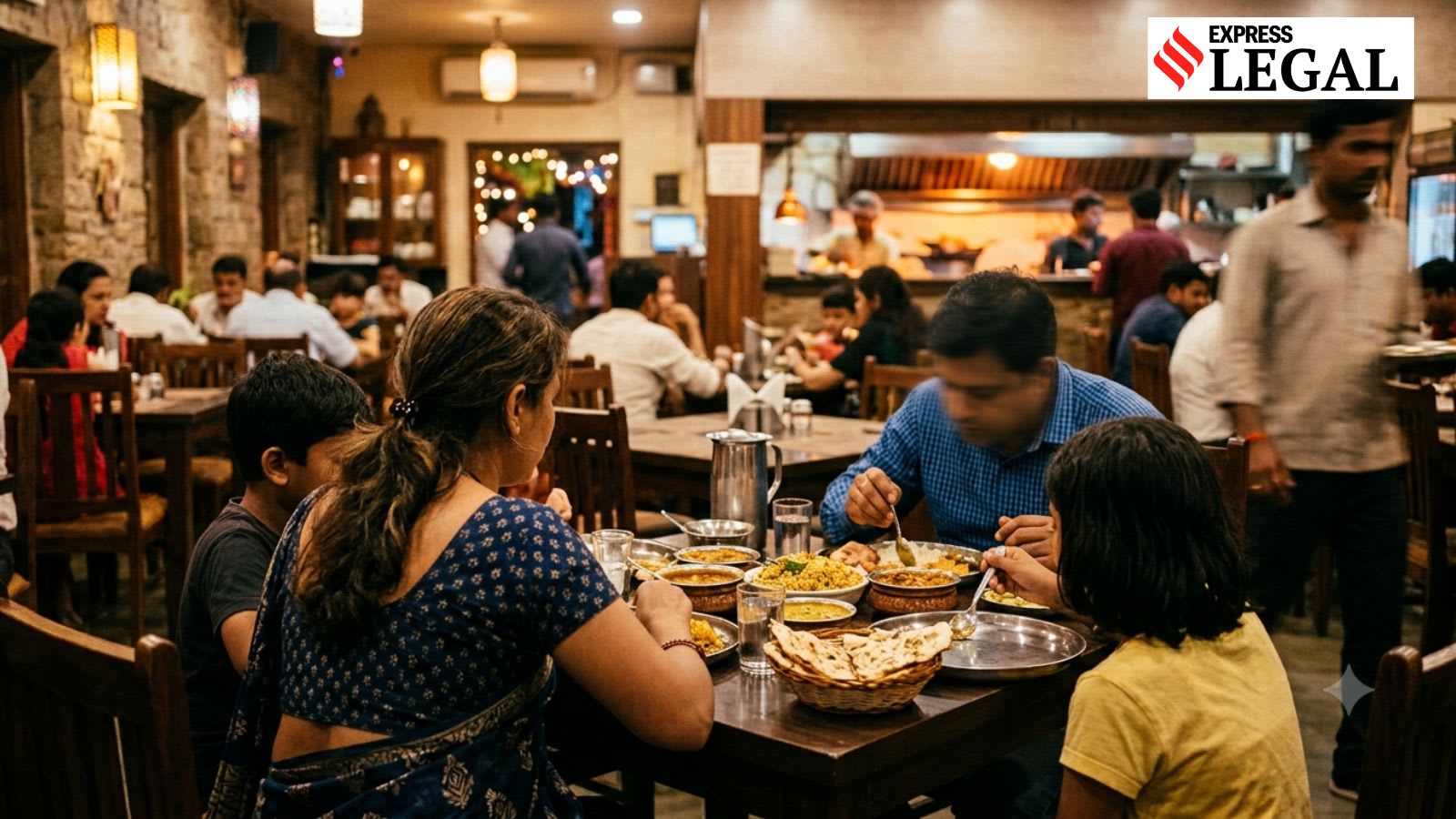
The Aligarh District Consumer Disputes Redressal Commission has fined a Hathras restaurant Rs 1 lakh for charging Rs 2 above the MRP on a water bottle. The ruling highlights strict enforcement against unfair trade practices and protects consumer rights in India.
Consumer Rights Victory: The High Cost of Overcharging
A recent ruling by the District Consumer Disputes Redressal Commission in Aligarh has sent a clear message to the hospitality industry regarding the enforcement of Maximum Retail Price (MRP) regulations. The commission ordered a restaurant in Hathras to pay a substantial penalty of Rs 1 lakh to the Consumer Welfare Fund after it was found guilty of charging a customer Rs 2 above the MRP for a single water bottle. This legal action serves as a pivotal reminder that the practice of inflating prices on packaged goods is a violation of consumer protection laws.
The Legal Basis of the Ruling
Presided over by President Hasnain Qureshi and member Purnima Singh Rajpoot, the commission categorized the restaurant's behavior as an 'unfair trade practice.' Under the Consumer Protection Act, specifically section 39(1)(k), the authorities have the mandate to penalize entities that engage in deceptive pricing. By charging more than the printed price, the establishment not only breached the trust of the consumer but also violated the statutory regulations intended to ensure price uniformity for packaged commodities.
Compensation and Accountability
Beyond the primary fine directed toward the state’s welfare fund, the commission ensured that the individual complainant received direct restitution. The restaurant was ordered to pay Rs 1,000 as compensation for the harassment caused by the incident, alongside Rs 5,000 to cover the customer's litigation expenses. This dual-pronged approach—penalizing the business for public harm while compensating the victim—is designed to act as a significant deterrent against similar future misconduct.
Broader Implications for the Hospitality Sector
This case underscores the growing awareness among Indian consumers regarding their rights. In a market where 'service charges' and 'convenience fees' are often contested, this ruling reinforces the principle that the MRP is a non-negotiable ceiling for packaged items. Restaurants and retailers often argue that extra charges cover cooling costs or service, but Indian consumer courts have consistently held that such justifications do not supersede the legal requirement to adhere to the MRP.
Future Trends in Consumer Advocacy
Looking ahead, this ruling signals a trend toward more aggressive litigation in small-claims consumer disputes. As digital platforms and social media make it easier for individuals to report grievances, establishments are under increasing scrutiny. This case serves as a cautionary tale for the food and beverage industry: the cost of a minor, unlawful overcharge can be exponentially higher than the profit gained, potentially resulting in legal fees, administrative penalties, and significant reputational damage. Ultimately, this decision strengthens the framework of consumer protection in India, ensuring that even the smallest discrepancies in pricing are met with rigorous legal oversight.