His last wish was to be cremated in Varanasi. Six were killed en route
Source Entity
Shubham Tigga
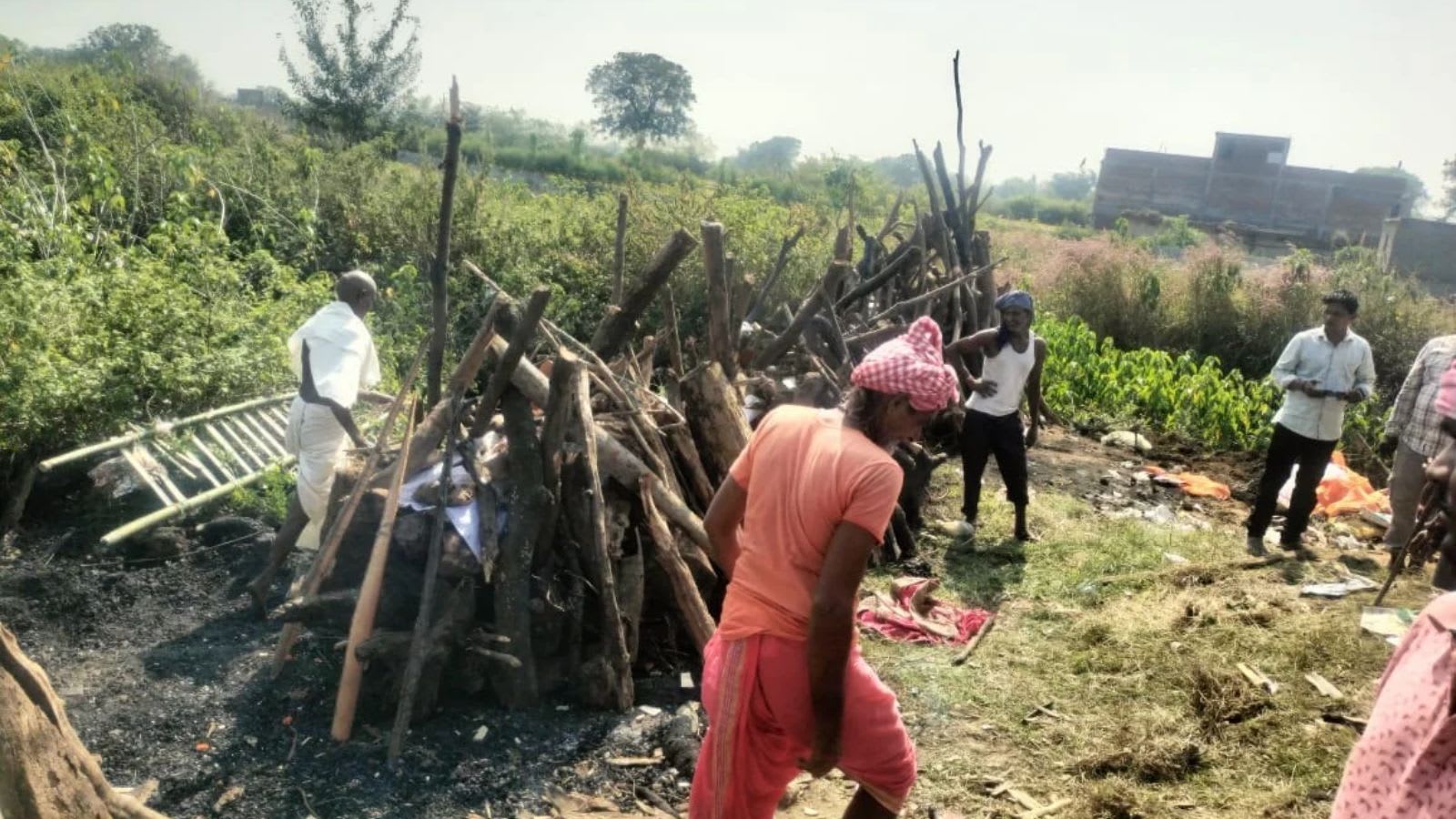
A tragic road accident in Jharkhand's Hazaribagh district claimed the lives of six family members en route to Varanasi. The group was transporting the body of 90-year-old Kunjo Pandit to fulfill his final wish for cremation in the holy city.
A Final Journey Turned Tragedy
The recent tragedy in Jharkhand’s Hazaribagh district serves as a harrowing reminder of the fragility of life and the unforeseen perils of travel. The incident, which resulted in the loss of six lives, occurred as a family attempted to fulfill the final wishes of 90-year-old Kunjo Pandit. Mr. Pandit, a resident of Biharo village in the Giridih district, had long expressed his desire to have his last rites performed in the holy city of Varanasi, a practice deeply rooted in cultural and spiritual traditions across the region.
The Circumstances of the Accident
Following Mr. Pandit’s death on November 8 due to illness, his grieving family departed for Varanasi at approximately 9 am. The mission was one of solemn duty, intended to honor the patriarch's final request. However, the journey was abruptly curtailed in Dhanua Ghati, near Mahanetand, within the Chouparan police station limits. A speeding trailer struck the vehicle carrying the family and the deceased, transforming a funeral procession into a site of mass casualty.
The Impact of Road Safety in India
This incident highlights the persistent danger posed by heavy commercial vehicles on India’s highways. The collision in Hazaribagh underscores the urgent need for stricter traffic enforcement, particularly regarding the speed of heavy trailers in accident-prone areas like Dhanua Ghati. Beyond the immediate grief, this event raises critical questions about road infrastructure, the regulation of commercial transport, and the measures required to prevent such catastrophic losses during long-distance travel.
Cultural Significance and Emotional Weight
For many families in India, the journey to perform last rites in holy cities like Varanasi is a final act of devotion. This cultural imperative often necessitates long-distance travel, sometimes under difficult logistical or emotional circumstances. The tragedy underscores how deeply the desire to honor a loved one's final wishes can lead families to undertake arduous journeys, which, when compounded by road safety risks, can lead to devastating outcomes.
Broader Implications and Future Trends
As medical and transportation services evolve, the challenge of safe transportation for funeral processions remains a neglected area of public safety. The loss of six lives and the hospitalization of 12 others is a profound blow to the community of Biharo village. This event will likely spark renewed calls for better highway patrols and safety warnings in the Hazaribagh district to ensure that families can fulfill their religious duties without becoming victims of preventable road accidents.
Concluding Thoughts
In conclusion, the death of Kunjo Pandit’s family members is a sobering event that has left a community in mourning. It serves as an intersection between deeply held cultural traditions and the harsh realities of modern road transport. As investigations into the accident continue, the focus must remain on supporting the survivors and addressing the systemic safety issues that turned a final tribute into a national tragedy.