Healthcare students are turning to Kalshi and betting platforms to pay for their degrees, survey shows
Source Entity
US Top News and Analysis
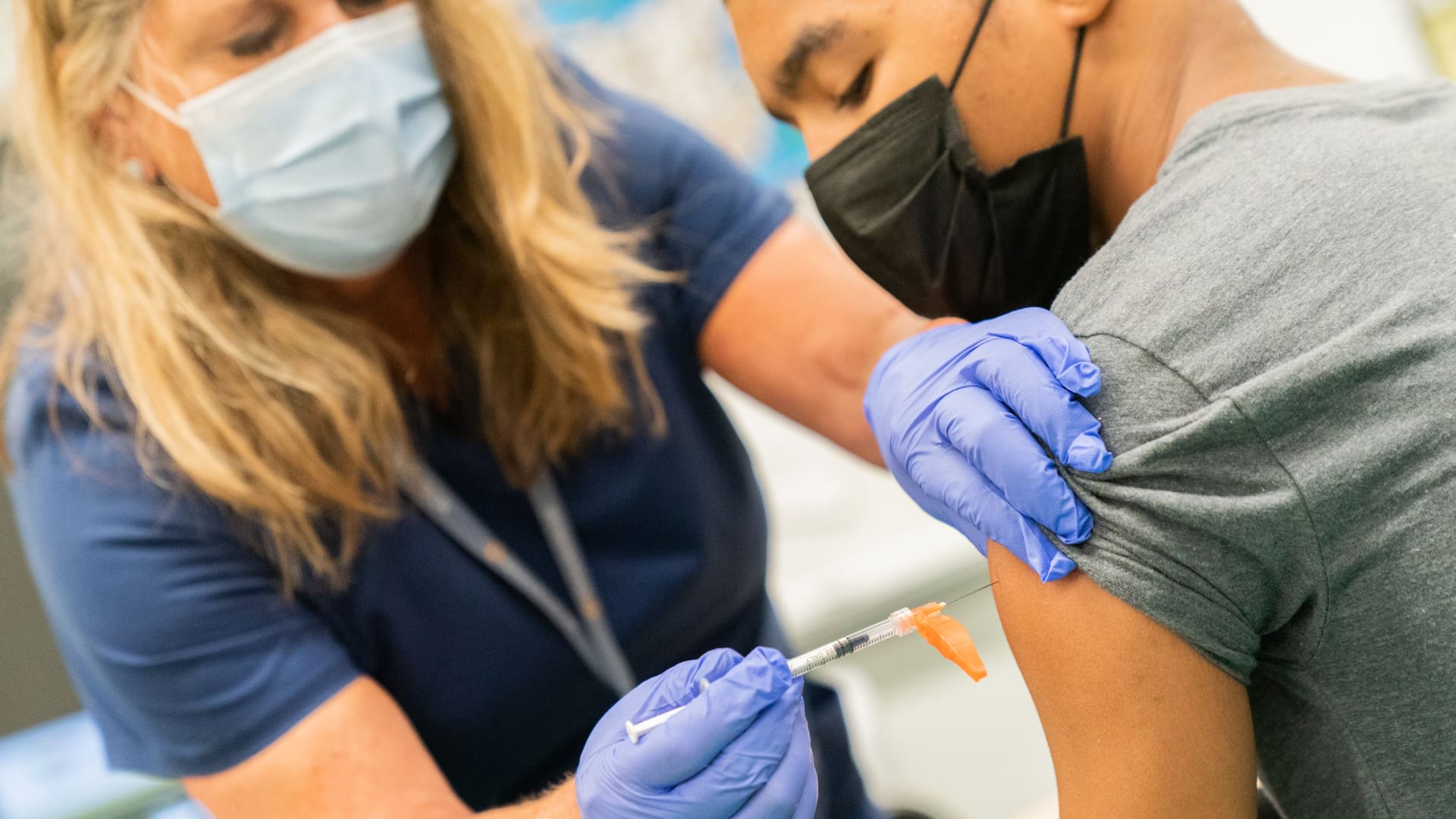
A recent Clasp survey reveals that healthcare students are increasingly using prediction markets like Kalshi to finance their education. This trend highlights the financial strain on students facing high tuition costs and shifting federal borrowing limits.
The Rise of Speculative Financing in Healthcare Education
Recent data from the workforce infrastructure company Clasp has unveiled a striking trend: a significant portion of healthcare students are turning to prediction markets and betting platforms as a means to fund their academic pursuits. According to the survey of 1,000 respondents, approximately two-thirds of these students view platforms like Kalshi not as recreational outlets, but as essential financial tools. As CEO Tess Michaels noted, these students are driven by necessity rather than the thrill of gambling, reflecting a desperate search for liquidity in an era of skyrocketing educational costs.
The Impact of Evolving Federal Borrowing Limits
The emergence of this trend coincides with complex changes in federal student loan policy. The Trump administration previously expanded the list of graduate degrees subject to higher borrowing limits, a move intended to assist students in high-cost, high-demand fields. Healthcare programs, including nursing, were eventually included in this expansion. However, the path to this designation was not straightforward; these degrees were initially classified as nonprofessional and subjected to temporary borrowing caps, creating a period of financial instability for students who had already committed to their educational paths.
Financial Precarity and the Gig Economy
This shift toward prediction markets underscores the broader financial precarity facing modern healthcare students. The transition from traditional savings or institutional loans to high-risk speculative platforms suggests that existing financial aid structures may be failing to meet the actual cost of living and tuition for those training for essential roles. When students perceive that the traditional banking system or federal aid is insufficient or too rigid, they increasingly explore decentralized or digital alternatives, even those carrying significant risk.
Psychological and Economic Implications
While the use of platforms like Kalshi offers a potential infusion of capital, it also introduces substantial volatility into the student experience. Relying on market outcomes to pay for essential certifications in fields like nursing or public health adds a layer of economic anxiety to an already rigorous academic schedule. This phenomenon reflects a 'gamification' of financial survival, where the line between strategic investing and high-stakes gambling blurs under the pressure of mounting student debt.
Future Trends and Institutional Challenges
Looking forward, the trend of students using prediction markets signals a need for institutional reform in how healthcare education is financed. If students feel the need to speculate on future events to afford their tuition, policymakers and educational institutions must re-evaluate the accessibility of traditional funding. Whether this remains a niche behavior or evolves into a widespread financial strategy will depend on future adjustments to borrowing limits and the overall affordability of professional degrees in the United States.
Conclusion: A Call for Stability
Ultimately, the Clasp report serves as a critical indicator of a strained educational finance system. While students are demonstrating resourcefulness in seeking out unconventional funding, the inherent risks of prediction markets highlight a systemic failure to provide stable, reliable support for the next generation of healthcare workers. Addressing this issue will require more than just expanding borrowing limits; it demands a comprehensive strategy to lower the barriers to entry for vital healthcare careers.