Try this delicious kung pao chicken noodles with 52g protein and 450 calories per serving: See step-by-step preparation
Source Entity
Latest News: Today's Latest News Headlines from India & World | Hindustan Times | Hindustan Times
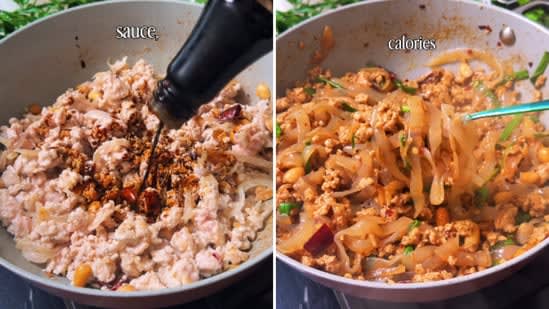
Nutritionist Aathira Sethumadhavan has shared a healthy twist on Kung Pao chicken noodles via Instagram. The recipe utilizes Shirataki noodles to provide a high-protein, low-calorie meal option for those tracking their nutrition.
Balancing Taste and Nutrition: The High-Protein Kung Pao Innovation
In an era where dietary restrictions and calorie counting often conflict with the desire for flavorful, indulgent meals, the emergence of "healthy swaps" has become a cornerstone of modern nutrition. Certified nutritionist and digital content creator Aathira Sethumadhavan has addressed this common struggle by introducing a modified Kung Pao chicken noodles recipe. By focusing on a high-protein, low-calorie profile, the recipe aims to provide a viable option for individuals who wish to enjoy Indo-Chinese flavors without compromising their fitness goals.
The Strategic Use of Shirataki Noodles
A critical component of this recipe's nutritional efficiency is the use of Shirataki noodles. Unlike traditional wheat-based noodles, which are dense in carbohydrates and calories, Shirataki noodles are typically made from the konjac yam. This substitution is what allows the dish to remain at 450 calories per serving while maintaining the volume and texture of a traditional noodle dish. By replacing refined grains with a low-calorie alternative, the recipe significantly reduces the glycemic load, making it more suitable for those managing blood sugar or following low-carb diets.
Analyzing the Protein-to-Calorie Ratio
One of the most striking aspects of Sethumadhavan's recipe is the protein density, boasting 52g of protein per serving. In the context of sports nutrition and weight management, a high protein intake is essential for muscle recovery and satiety. By pairing lean chicken with low-calorie noodles, the dish achieves a high protein-to-calorie ratio. This ensures that the "gains" mentioned in the creator's caption are supported by adequate amino acids, while the overall caloric intake remains low enough to fit into a strict weight-loss or maintenance plan.
The Challenge of Healthy Indo-Chinese Cuisine
Indo-Chinese cuisine is traditionally characterized by bold flavors, but it is often criticized for its high sodium content and the use of refined sugars and oils in sauces. The challenge for any nutritionist creating a "healthy" version of this cuisine is to preserve the signature savory and spicy profile while removing the empty calories. Sethumadhavan's approach suggests a streamlined preparation process that brings the meal together in under half an hour, indicating a focus on efficiency and accessibility for the average home cook.
The Rise of Digital Nutrition Education
This recipe's dissemination via Instagram highlights a broader trend in health communication. The shift from clinical settings to social media allows certified professionals to democratize nutritional knowledge through visual, step-by-step guides. By positioning the recipe as a "perfect indulgent meal for healthy weekends," Sethumadhavan leverages the psychological need for a "cheat meal" but replaces the negative nutritional impact with a scientifically balanced alternative.
Conclusion and Future Implications
Overall, the introduction of high-protein, low-calorie alternatives to popular comfort foods represents a positive shift in dietary habits. As more consumers move toward functional foods—those that provide health benefits beyond basic nutrition—we can expect to see more professional nutritionists utilizing unconventional ingredients like Shirataki noodles to bridge the gap between gourmet taste and clinical health requirements. This specific recipe serves as a blueprint for how traditional flavors can be adapted to meet modern health standards.
Verification Required?