Himachal govt to take back control of Dhaulasidh project: Sukhu
Source Entity
Latest News: Todays Latest News Headlines from India & World | Hindustan Times | Hindustan Times
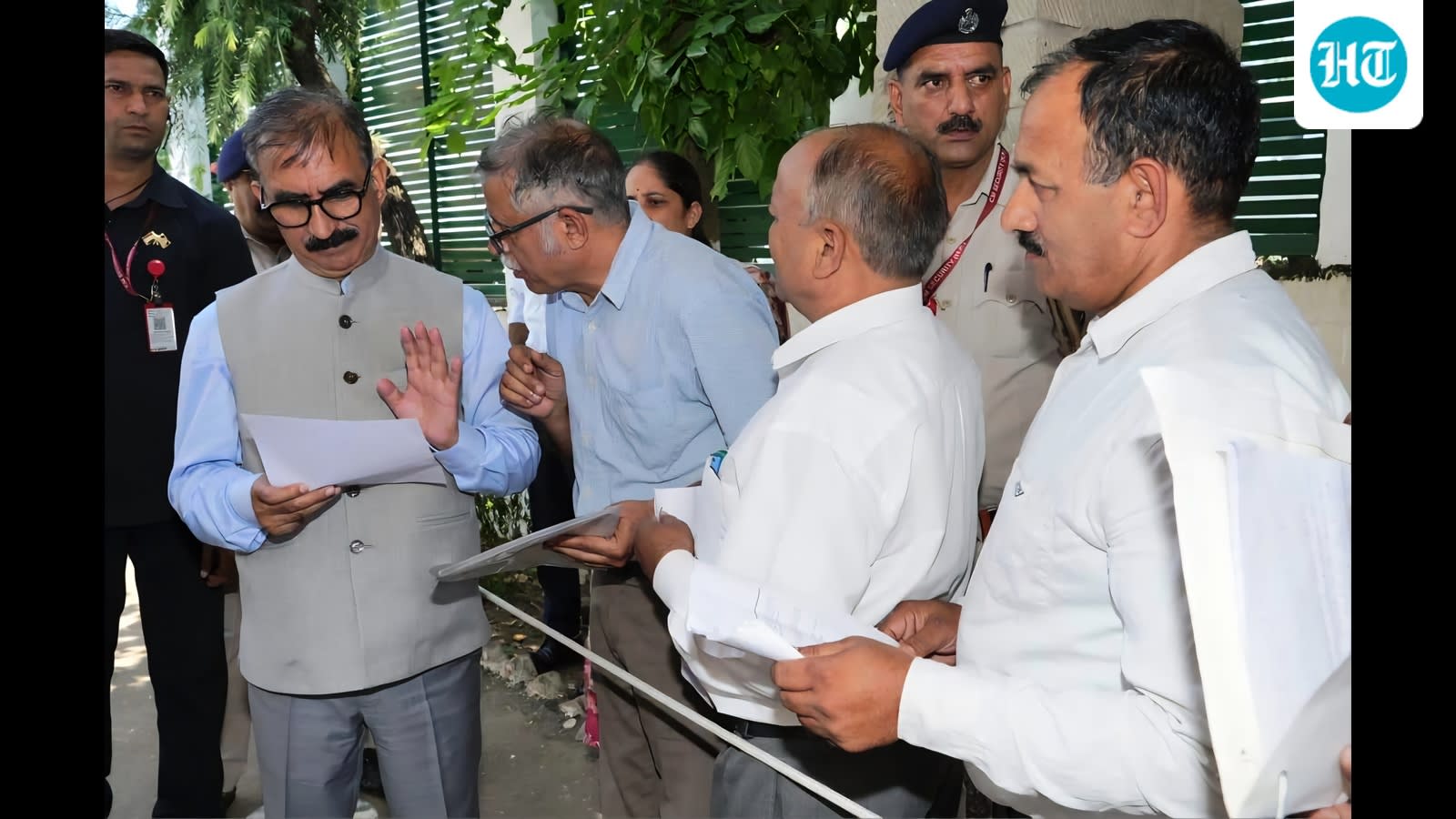
Himachal Pradesh CM Sukhvinder Singh Sukhu has announced the state will reclaim the 66 MW Dhaulasidh hydroelectric project from SJVN Limited for ₹800 crore. Additionally, the state has secured a major agreement for the 422-MW Kishau dam project, ensuring no financial burden on Himachal.
Himachal Pradesh Asserting Control Over Hydropower Assets
Himachal Pradesh Chief Minister Sukhvinder Singh Sukhu has signaled a significant shift in the state's energy policy by announcing that the government will take back control of the 66 MW Dhaulasidh hydroelectric project. Currently under construction on the Beas river in the Hamirpur district, the project is being reclaimed from SJVN Limited at a cost of ₹800 crore. This move underscores a broader administrative push by the Sukhu-led government to assert state sovereignty over its natural resources and infrastructure developments.
Prioritizing State Rights and Fiscal Strategy
The decision to reclaim the Dhaulasidh project is framed by the Chief Minister as a non-negotiable commitment to protecting the state's rights. By paying the ₹800 crore buy-back amount, the Himachal government aims to retain long-term control over the revenue and electricity generated by the 66 MW plant. This strategic pivot suggests a departure from reliance on central public sector undertakings (PSUs) like SJVN for project management, prioritizing instead the direct management of local assets to ensure that the economic benefits remain within the state's fiscal perimeter.
The Kishau Multipurpose Dam: A Diplomatic Win
Beyond the Dhaulasidh project, the Sukhu administration has secured a landmark agreement for the 422-MW Kishau multipurpose dam project. This project, located on the Tons river along the border of Himachal Pradesh and Uttarakhand, represents a complex inter-state collaboration involving six states: Himachal, Uttarakhand, Haryana, Rajasthan, Uttar Pradesh, and Delhi. The agreement, signed on September 15, is particularly notable because it mandates that Himachal Pradesh will bear no financial burden for the ₹15,624-crore project, a major victory for the state's treasury.
Political Implications and Regional Dynamics
The Kishau agreement carries profound political weight. In a region dominated by BJP-led administrations across the signatory states, Himachal Pradesh stands out as the only Congress-governed state in the pact. By successfully navigating these negotiations and securing favorable terms, CM Sukhu has bolstered his political standing. The ability to achieve consensus among six states on such a high-stakes infrastructure project serves as a significant talking point for his administration, especially as it seeks to demonstrate effective governance.
Future Trends in Hydropower Governance
These recent developments reflect a wider trend of states seeking greater control over their hydroelectric potential. As Himachal Pradesh balances its role in national energy grids with its need for fiscal independence, the reclamation of projects like Dhaulasidh and the strategic negotiation of inter-state projects like Kishau suggest a model of 'resource nationalism.' Moving forward, it is likely that the Himachal government will continue to scrutinize existing agreements with central agencies, aiming to maximize state equity while leveraging its geographical position as a 'power house' of India to secure better financial terms for its residents.
Verification Required?