Trump Signs Russia Sanctions Bill, Clears Way For 100% Tariffs On India, China
Source Entity
NDTV News Search Records Found 1000
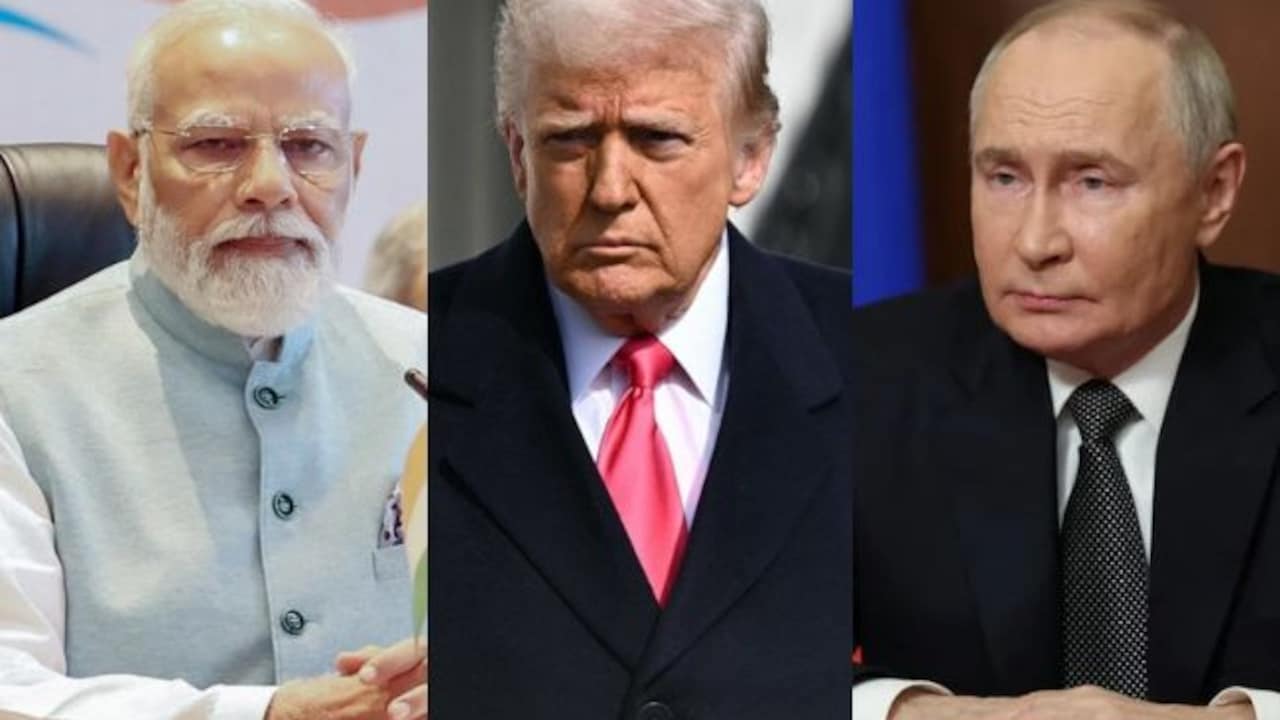
President Trump has signed the Lindsey O. Graham Sanctioning Russia and Iran Act of 2026, granting authority to impose 100% tariffs on major importers of Russian oil like India and China. The law simultaneously carves out a specific exception for US imports of Russian low-enriched uranium to protect its nuclear industry.
The Strategic Contradiction: Analyzing the 2026 Russia Sanctions Act
President Donald Trump has officially enacted the 'Lindsey O. Graham Sanctioning Russia and Iran Act of 2026,' a landmark piece of legislation aimed at crippling the Kremlin’s revenue streams derived from global energy exports. By granting the executive branch the authority to impose tariffs of up to 100% on nations that continue to purchase Russian oil and gas, the United States is signaling a more aggressive, protectionist approach to foreign policy enforcement. This move specifically targets major global economies, including India and China, placing them in a precarious diplomatic and economic position.
The Mechanics of the Tariff Threat
The legislation, which passed the House with a 262-159 margin following Senate approval, represents a significant escalation in the use of secondary sanctions. By threatening a 100% tariff on the energy imports of third-party nations, the US is attempting to force a global compliance standard that prioritizes the isolation of the Russian economy. Furthermore, the bill explicitly targets the 'shadow fleet' of maritime vessels that have historically enabled Moscow to bypass Western sanctions, marking a concerted effort to close the loopholes that have sustained Russian energy exports since the onset of the conflict in Ukraine.
The Uranium Exception: A Case of Realpolitik
Perhaps the most controversial aspect of the act is the explicit exception provided for low-enriched uranium. While the US demands that the rest of the world cease all energy trade with Russia, the legislation contains a specific provision allowing for the continued importation of Russian uranium for domestic nuclear reactors. This move highlights the pragmatic, albeit contradictory, reality of modern energy security. The US nuclear sector remains heavily reliant on these supplies, and the inclusion of this clause suggests that national energy infrastructure security is being prioritized over the broader geopolitical objective of total economic isolation of Russia.
Geopolitical Implications for India and China
For major importers like India and China, the passage of this act introduces significant volatility into their energy procurement strategies. Because these nations have maintained trade relationships with Russia to ensure affordable energy access, they now face the prospect of severe fiscal penalties. This legislation forces a difficult choice: comply with US mandates and risk domestic energy price hikes, or face the prospect of prohibitive tariffs that could fundamentally disrupt trade relations with the United States.
Future Trends and Diplomatic Fallout
Looking ahead, the implementation of this law is likely to trigger a period of intense diplomatic friction. If the administration exercises its new authority to levy these 100% tariffs, we can expect retaliatory measures or, at the very least, a significant realignment of global energy supply chains. The 'doublespeak' identified in the law—demanding others stop buying Russian energy while protecting one's own imports—will likely become a central point of contention in international forums, potentially weakening the cohesion of the global coalition against the ongoing war in Ukraine.
Conclusion
The 'Lindsey O. Graham Sanctioning Russia and Iran Act of 2026' represents a bold, if internally inconsistent, attempt to exert American influence over global energy markets. While the intent to drain Russia's war chest is clear, the practical application of this law creates a complex web of economic risks for US allies and competitors alike. As the administration moves toward enforcement, the global community will be watching to see how the tension between domestic energy requirements and foreign policy objectives is managed.
Multiple Citing Sources
Verification Required?