Government working to add 330 new PG seats in medical colleges in state: Himachal CM
Source Entity
Latest News: Todays Latest News Headlines from India & World | Hindustan Times | Hindustan Times
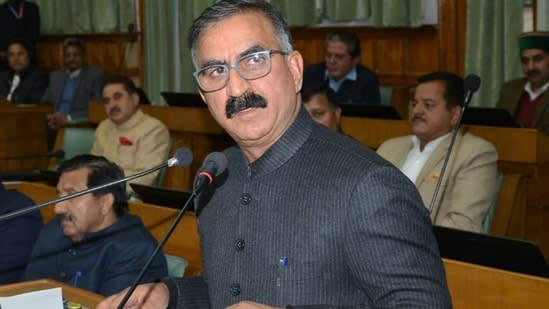
Himachal Pradesh CM Sukhvinder Singh Sukhu announced the addition of 330 new postgraduate medical seats and significant reforms in government schools. The state reports a surge in student enrollment in government institutions, signaling a shift in public trust toward the state-led education system.
Strengthening Himachal Pradesh's Educational and Healthcare Infrastructure
A Dual Focus on Medical and Primary Education
Himachal Pradesh Chief Minister Sukhvinder Singh Sukhu has recently articulated a dual-pronged strategy aimed at revitalizing the state’s public service infrastructure. By prioritizing the expansion of postgraduate medical education and the modernization of government schooling, the administration is signaling a shift toward long-term human capital development. The announcement to add 330 new postgraduate seats in medical colleges is a critical step in addressing the shortage of specialized healthcare professionals, which is essential for bolstering the state’s medical service delivery capabilities.
Transforming the Government School Landscape
The Chief Minister’s remarks during the Bal Mela at Nagrota Bagwan highlighted that the state government is not merely focusing on higher education, but is also implementing wide-ranging reforms within the primary and secondary school sectors. By integrating the CBSE curriculum into 150 government schools, the administration is attempting to standardize educational quality to compete with private institutions. This initiative is designed to bridge the gap between rural and urban educational opportunities, ensuring that students in state-run facilities receive a curriculum that is both rigorous and globally recognized.
Growing Public Confidence and Enrollment Trends
A significant indicator of the success of these reforms is the reported shift of approximately 24,000 students from private schools to government institutions this year. This migration of students serves as a tangible metric of the growing confidence parents have in the state-led education system. When parents choose to move their children from fee-based private schools to government-run ones, it suggests that the state’s investment in infrastructure, faculty standards, and modern teaching tools is beginning to yield measurable social returns.
Long-Term Vision for Institutional Transformation
The government’s ambitious goal is to achieve a complete transformation of its schools within the next two to four years. By planning to introduce modern facilities and further elevate teaching standards, the administration aims to create a sustainable model of public education. This timeline suggests that the government is looking beyond short-term fixes, opting instead for a structural overhaul that could eventually redefine the state’s academic landscape. If successful, this model could serve as a blueprint for other states in India looking to revitalize their public school systems.
Broader Implications for the Future
Beyond the immediate impact on students and medical aspirants, these initiatives have broader implications for the state’s socioeconomic growth. A better-educated workforce, supported by a robust local healthcare training system, will likely contribute to higher employment rates and improved public health outcomes. As the government continues to invest in these sectors, the focus will remain on maintaining the momentum of these reforms to ensure that the quality of education remains high and the newly created medical seats are filled by capable candidates who will serve the state’s growing healthcare needs.
Verification Required?