Building trust is key in warnings on melting glaciers
Source Entity
Stuart Dunning
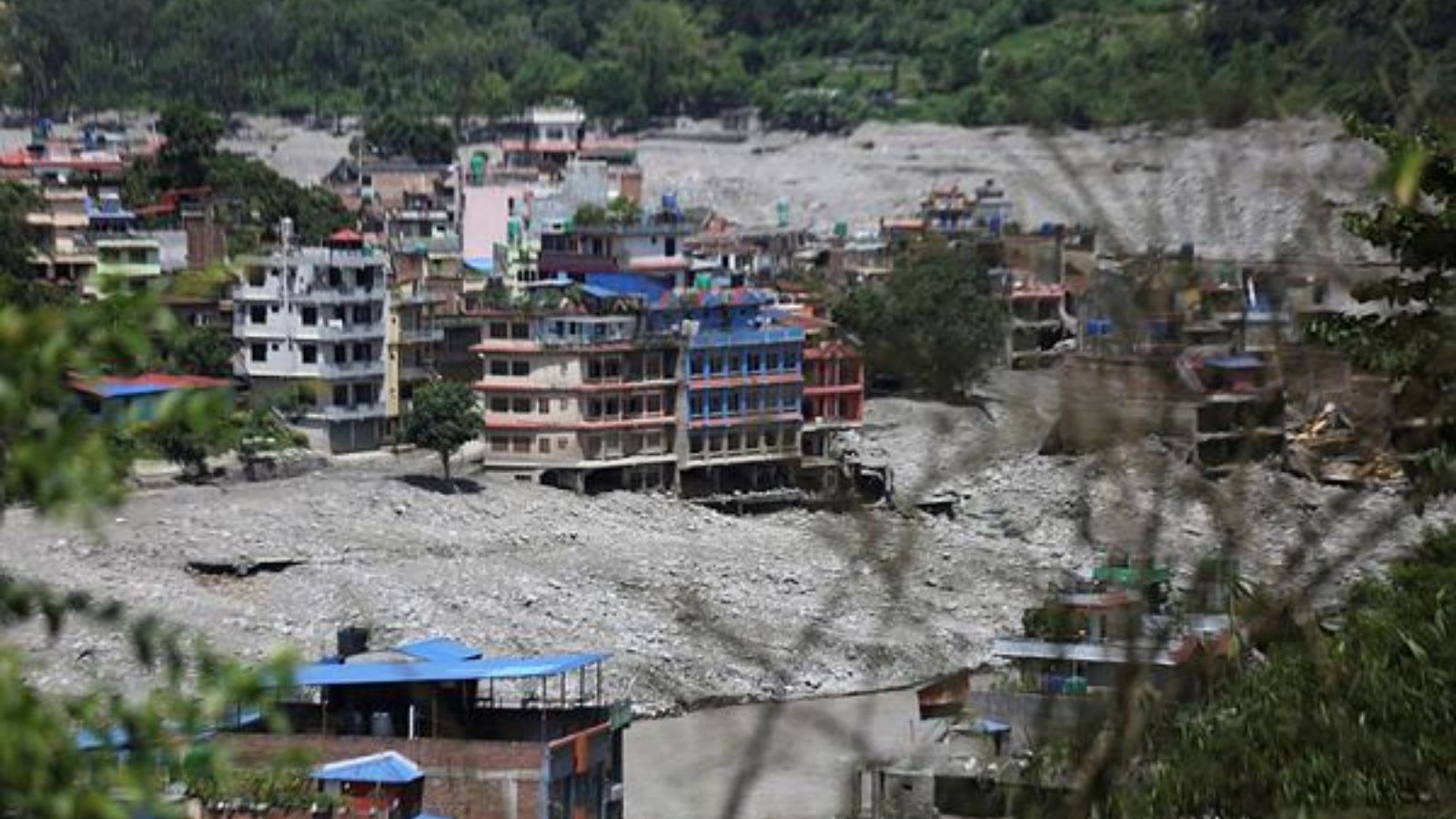
Recent disasters in Nepal and Tibet underscore the growing threat of rock-ice avalanches and debris flows in the Himalayas. Experts emphasize that these events are not strictly natural and require better public communication and trust-building to mitigate risks.
The Escalating Threat of Himalayan Debris Flows
The recent disaster unfolding across Nepal and Tibet serves as a harrowing reminder of the volatile nature of High Mountain Asia. Triggered by a massive rock-ice avalanche that rapidly transitioned into a destructive debris flow, the event highlights a recurring and increasingly dangerous geological pattern. By comparing this tragedy to the 2025 Dharali disaster and the 2021 Ronti Peak incident that led to the Chamoli catastrophe, it becomes evident that the region is experiencing a shift in the frequency and intensity of these geomorphic hazards.
Redefining 'Natural' Disasters
It is critical to move away from the misnomer that these events are purely 'natural.' While rock avalanches and debris flows are common geological processes, they only evolve into humanitarian disasters when they intersect with human settlements and infrastructure. The categorization of these events as 'natural' often obscures the role of human activity and development in increasing vulnerability. As human footprints expand into high-altitude environments, the threshold for what constitutes a disaster has lowered significantly.
The Misconception of Glacial Lake Outburst Floods (GLOFs)
Initial reports regarding the Nepal-Tibet event frequently pointed toward earthquakes or Glacial Lake Outburst Floods (GLOFs). While GLOFs represent a legitimate and well-documented threat to Himalayan communities, relying on them as a default explanation can lead to misallocated resources. With approximately 15 million people globally—and over 9 million in High Mountain Asia—facing potential GLOF risks, the focus must remain on nuanced geological assessment rather than broad, catch-all terminology.
The Imperative of Public Trust
Building public trust is the cornerstone of effective disaster warning systems. When authorities provide inaccurate initial assessments, or when warning systems fail to account for the specific mechanics of rock-ice avalanches versus GLOFs, the credibility of scientific communication is eroded. For communities living in the shadow of the Himalayas, accurate and timely information is the only tool available to mitigate the life-threatening impact of these sudden-onset debris flows.
Future Trends and Mitigation
Moving forward, the integration of real-time monitoring and improved predictive modeling is essential. As climate change continues to destabilize mountain slopes, the transition of rock avalanches into debris flows will likely become more frequent. Future disaster management strategies must prioritize infrastructure resilience and community education, ensuring that the warning systems of tomorrow are built upon a foundation of accurate data and established public trust.