The Himalayas need a cross-border disaster data ecosystems
Source Entity
Latest News: Todays Latest News Headlines from India & World | Hindustan Times | Hindustan Times
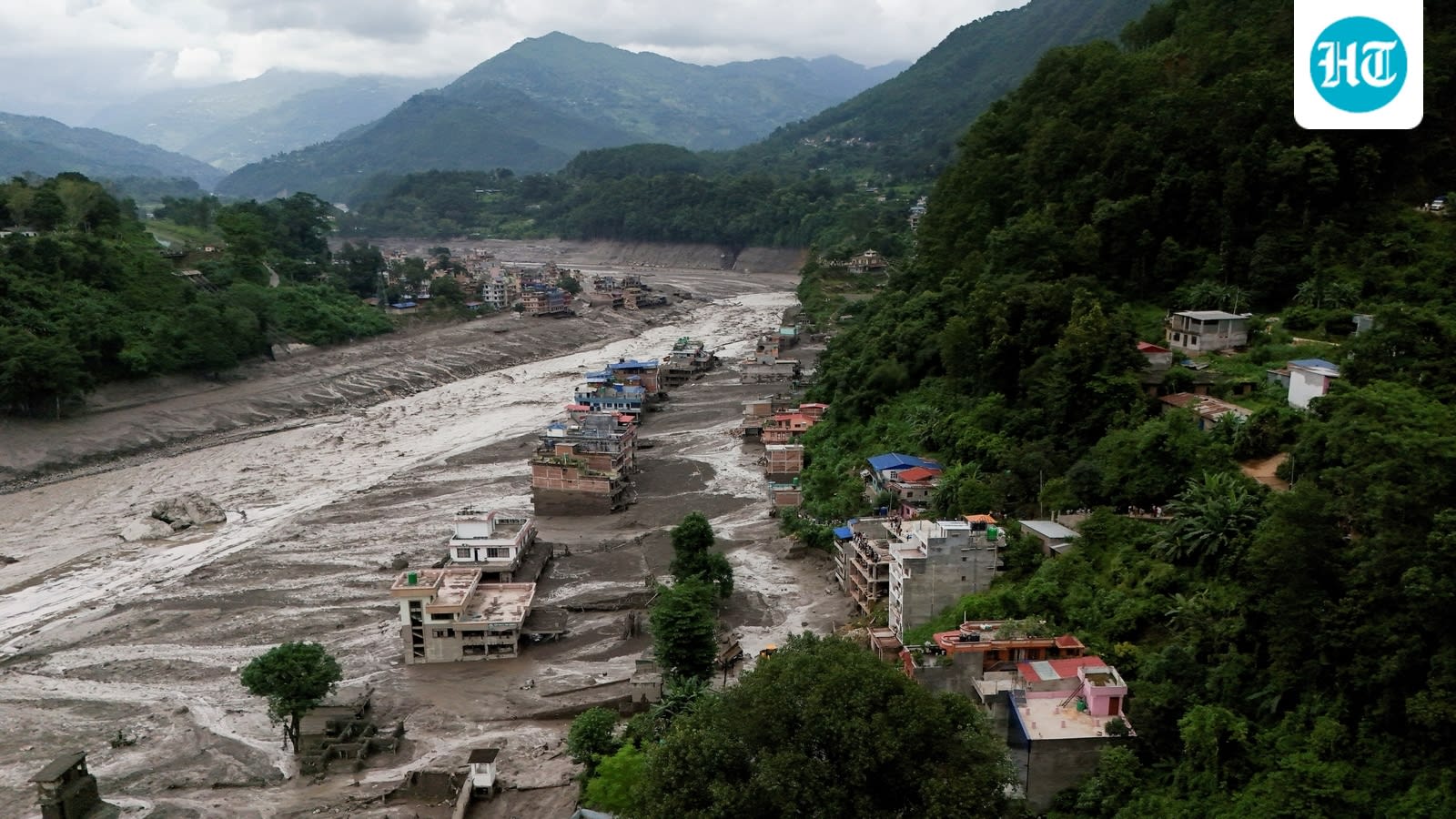
The August 26 flash floods on the Nepal–Tibet border highlight the urgent need for transboundary disaster data sharing. Experts argue that integrated monitoring and early warning systems are essential to mitigate climate-driven risks in the fragile Himalayan region.
The Imperative for Transboundary Resilience in the Himalayas
The catastrophic flash floods that devastated the Nepal–Tibet border region on August 26, 2026, serve as a harrowing reminder of the ecological interconnectedness of the Himalayan range. As highlighted by researchers Mahesh Ganguly and Amaan Siddiqui, the event underscores a fundamental disconnect between geopolitical borders and the fluid, unpredictable nature of environmental disasters. The destruction of property in the Trishuli area of Nuwakot district is not merely a local tragedy; it is a symptom of a broader, systemic failure to manage risks that traverse international boundaries.
The Fragility of the Himalayan Ecosystem
The Himalayan region is currently experiencing an unprecedented era of instability, driven largely by the accelerating climate crisis. Glacial retreat, permafrost thawing, and erratic precipitation patterns have created a landscape prone to cascading hazards. These geological shifts do not stop at national checkpoints, yet the infrastructure designed to monitor them often remains siloed within individual nation-states. The August 26 disaster demonstrates that without a unified view of the mountain range's health, local authorities remain dangerously reactive rather than proactive.
Breaking the Data Silos
To move toward a more resilient future, the authors argue for the establishment of cross-border data ecosystems. Currently, hazard monitoring, early warning systems, and evacuation protocols are often managed in isolation. By integrating these disparate data streams, organizations in Nepal, Tibet, and surrounding regions could synchronize their efforts. A shared digital framework would allow for real-time tracking of glacial lake outburst floods (GLOFs) and rapid hydrological changes, providing the lead time necessary to save lives in vulnerable downstream communities.
From Reactive to Predictive Governance
Transitioning to a collaborative model requires more than just technical integration; it demands a shift in diplomatic and administrative priorities. The current state of affairs, where information sharing is often informal or delayed, significantly hampers disaster risk reduction efforts. Establishing standardized protocols for sharing meteorological and seismic data could transform regional security. By treating the Himalayas as a single, shared ecosystem rather than a collection of contested territories, nations can foster a culture of mutual preparedness.
Future Trends and Strategic Implications
As the climate crisis intensifies, the frequency of such flash floods is projected to increase, necessitating an evolution in how we conceive of mountain governance. Future efforts must focus on building cross-border institutional capacity that can function independently of political tensions. The goal is to move toward a model where disaster data is viewed as a public good, essential for the survival of the millions who rely on the Himalayan watershed. If ignored, the human and economic costs will continue to mount, further destabilizing an already precarious region.
Verification Required?