Stock market today: Dow, S&P 500, Nasdaq futures fall as US-Iran war escalates, inflation jitters return
Source Entity
Yahoo Finance
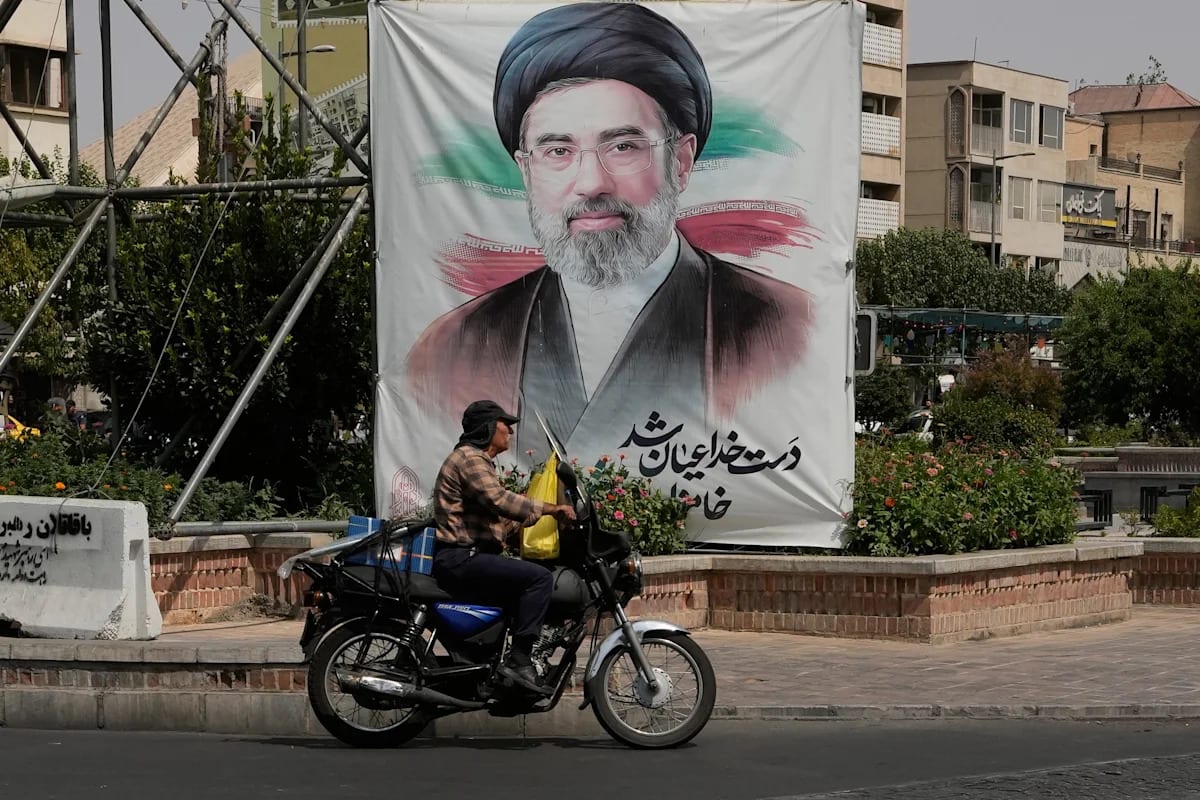
The U.S. military has launched targeted strikes against Iranian IRGC facilities following attempted attacks on commercial shipping and U.S. personnel in the Strait of Hormuz. These operations represent a significant escalation in regional tensions after a period of relative calm.
Escalation in the Strait of Hormuz: U.S. Strikes Iranian Targets
The U.S. Central Command (CENTCOM) has confirmed the initiation of military strikes against Islamic Revolutionary Guard Corps (IRGC) targets within Iran. This operation, which commenced at 12 p.m. ET on Tuesday, marks a significant departure from the relative stability observed over the preceding month. The military action was prompted by a series of hostile incidents, specifically attempted attacks directed at commercial shipping vessels navigating the Strait of Hormuz and threats against American service members stationed in the region.
Strategic Context and Rationale
The Strait of Hormuz serves as one of the world's most vital maritime chokepoints. The U.S. decision to intervene follows a pattern of reported aggression by the IRGC, which has sought to disrupt the flow of oil and international commerce. By targeting the IRGC, the United States aims to degrade capabilities that facilitate these maritime threats, including radar systems and missile infrastructure that could pose a direct risk to global shipping lanes and regional security.
The Role of Presidential Oversight
These strikes are deeply intertwined with current executive policy, as President Donald Trump had reportedly been deliberating on a specific CENTCOM proposal. This plan was designed to implement limited, precise military actions intended to dismantle the IRGC's capacity to threaten international waters. The execution of these strikes suggests that the administration has moved from a posture of deterrence to active, limited engagement to prevent further erosion of regional security.
Assessing the Scope of Operations
While CENTCOM has confirmed the initiation of the strikes, the full scope and long-term objectives remain fluid. The military action follows a period where the U.S. had already engaged in "limited, precise action" against rocket-related targets, signaling a progressive escalation in the military response to Iranian provocations. The focus remains on neutralizing specific threats rather than a broader conflict, though the situation remains highly volatile.
Broader Implications and Future Trends
The recurrence of direct military action between Washington and Tehran underscores a fragile security architecture in the Middle East. If the IRGC continues its attempts to target commercial shipping, it is highly probable that the U.S. will maintain its current strategy of targeted, retaliatory strikes. Future trends will likely depend on whether these precision strikes successfully deter further Iranian aggression or lead to a broader, more protracted cycle of regional hostilities.
Conclusion
In summary, the U.S. military's intervention in Iran is a direct response to tangible threats against personnel and international trade routes. By focusing on IRGC assets, the U.S. is attempting to restore a degree of order to the Strait of Hormuz. As the situation evolves, the international community will be closely monitoring whether this show of force effectively de-escalates the tensions or triggers a new phase of instability in the region.