Nepal's PM Balendra Shah Thanks India, China For Flood Relief Efforts
Source Entity
NDTV News Search Records Found 1000
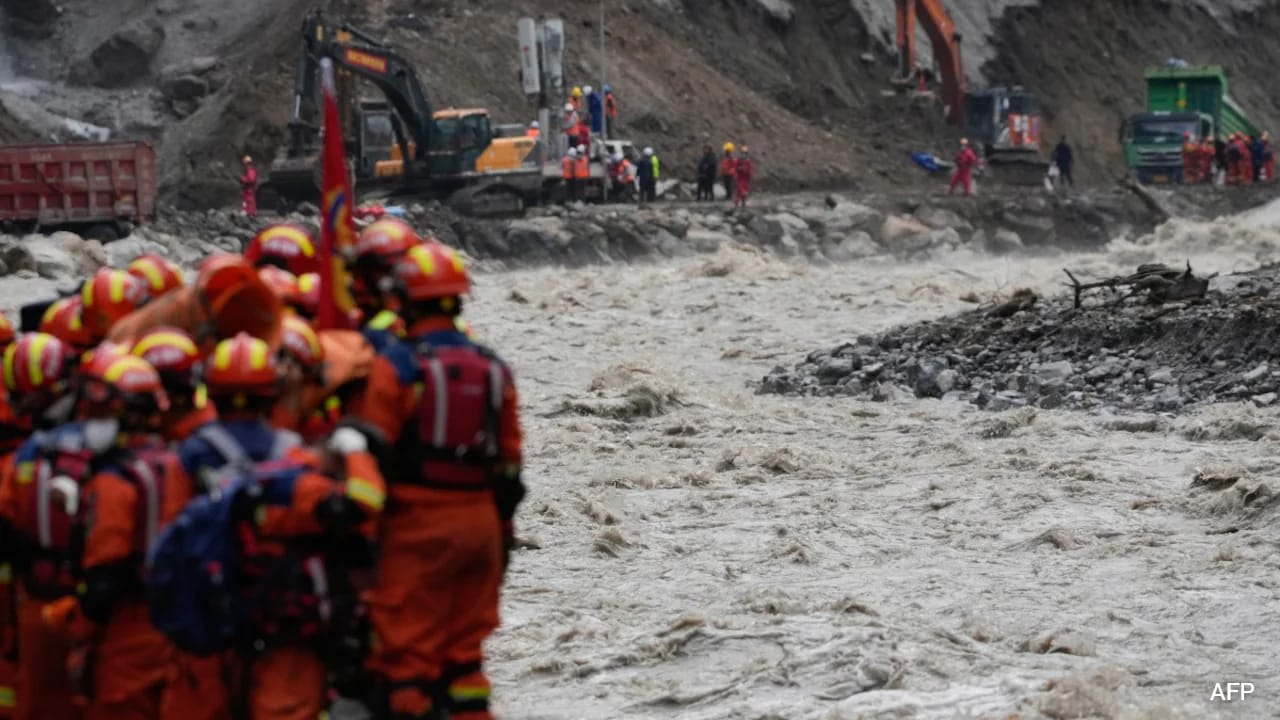
Nepal is seeking international aid following devastating floods and a glacier collapse that killed over 1,100 people. India has pledged support for reconstruction efforts, specifically targeting the Tribhuvan Trishuli Secondary School, as experts call for improved cross-border early warning systems.
The Himalayan Crisis: Navigating Disaster Recovery and International Cooperation
Nepal is currently grappling with the aftermath of a catastrophic disaster involving a glacier collapse along the Nepal-China border, which triggered massive landslides and flash floods. With the death toll reaching 1,127, the nation has launched a concerted diplomatic campaign to secure international monetary assistance to manage the extensive destruction. This humanitarian crisis has prompted a swift response from neighboring powers, notably India, which has stepped forward to assist in the reconstruction of critical infrastructure.
Targeted Recovery: The Tribhuvan Trishuli Secondary School
A centerpiece of the recovery effort is the reconstruction of the Tribhuvan Trishuli Secondary School in Bidur. Following an emergency evacuation that saved approximately 900 students from the August 26 flash flood, the institution sought support to relocate to higher, safer ground. India’s pledge to fund the complete reconstruction of this facility underscores the vital role of regional partnerships in post-disaster stabilization, ensuring that the next generation of Nepalese students has a secure environment to resume their education.
Scientific Lessons: The Failure of Warning Systems
The disaster has sparked a rigorous debate regarding the efficacy of early warning systems in the Himalayas. According to a report by the HiRISK scientific consortium, the glacier collapse was not entirely unpredictable. Scientists identified "pre-event indications," including the appearance of brown meltwater and visible cracks in the bedrock slope days before the tragedy. These findings highlight a critical gap in monitoring capabilities that, if addressed, could have potentially saved hundreds of lives.
The Necessity of Cross-Border Hazard Management
Given that the disaster originated on the Nepal-China border, the incident emphasizes the urgent need for enhanced transboundary hazard management. The current tragedy serves as a grim reminder that natural disasters in the Himalayan region do not respect political borders. There is now a growing scientific and political consensus that comprehensive, real-time monitoring of glaciers and slopes must be integrated into a shared regional framework to protect vulnerable communities from future calamities.
Future Trends and Resilience
Moving forward, Nepal’s path to recovery will likely be defined by two parallel tracks: infrastructure resilience and climate-conscious disaster mitigation. As the government continues to seek international aid, the focus must shift toward building infrastructure—like the new Tribhuvan Trishuli school—that can withstand the increasing volatility of the Himalayan climate. By prioritizing scientific oversight and regional cooperation, Nepal aims to transition from a cycle of reactive emergency response to a more proactive, systemic approach to disaster risk reduction.
Multiple Citing Sources
Verification Required?