Hindi MBBS experiment falters; students switch to English for better prospects
Source Entity
Latest News: Todays Latest News Headlines from India & World | Hindustan Times | Hindustan Times
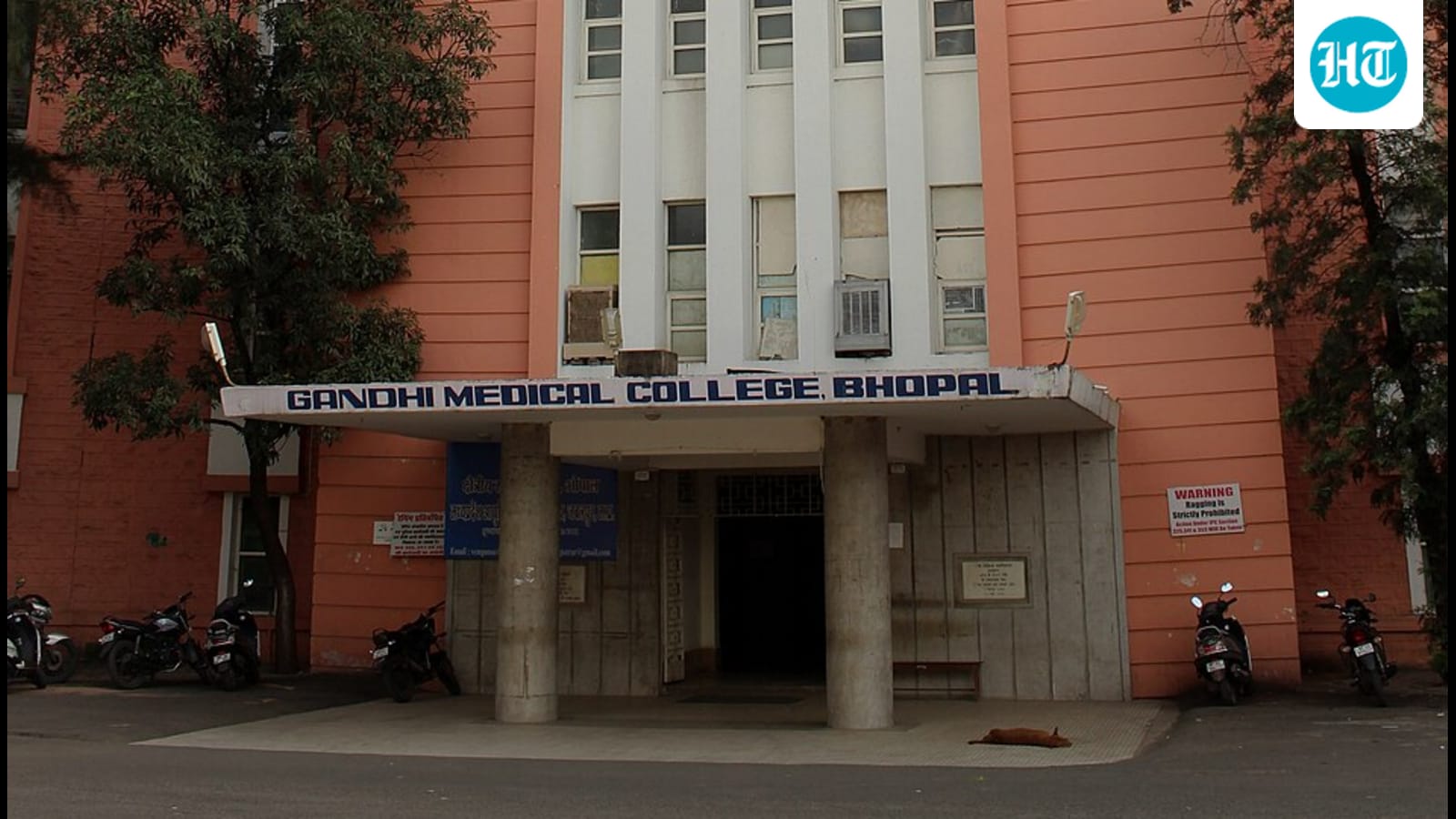
Madhya Pradesh's Hindi-medium MBBS initiative has faced significant setbacks as students switched to English. Despite the initial goal of easing education for Hindi-speaking students, the reliance on English for medical terminology and postgraduate entrance exams rendered the program impractical.
The Challenges of Language in Medical Education
The initiative to introduce MBBS coursework in Hindi at Bhopal’s Gandhi Medical College (GMC) represented a bold attempt by the Madhya Pradesh government to align higher education with the recommendations of a Parliamentary committee. By aiming to provide an "ease of education" for students from vernacular backgrounds, the program sought to bridge the gap between regional language schooling and professional medical training. However, the practical application of this policy has encountered significant hurdles, leading to a notable pivot by the inaugural cohort of 22 students.
The Linguistic Gap in Medical Terminology
A primary obstacle identified by students like Ankit Pandey is the inherent nature of medical science, which remains deeply rooted in English-language terminology. While the state facilitated the translation of foundational anatomy textbooks into Hindi, the specialized nomenclature required for clinical practice and academic study remained in English. This created a hybrid learning environment that ultimately proved to be more cumbersome than beneficial, as students were essentially required to learn the material in two linguistic frameworks simultaneously.
The Necessity of English for Future Prospects
The decision to switch to English-medium instruction by the second year was driven by pragmatic concerns regarding long-term professional development. In the Indian medical landscape, the National Eligibility cum Entrance Test (Postgraduate), or NEET (PG), serves as the gatekeeper for specialized medical training, and this critical examination is conducted exclusively in English. For students aiming to secure competitive postgraduate seats, proficiency in the language of the examination is non-negotiable, rendering the Hindi-medium experiment a secondary priority compared to career advancement.
Systemic Barriers and Global Standards
Beyond the entrance examinations, the broader medical ecosystem operates on global standards that are almost universally documented in English. From international research journals to surgical manuals and clinical guidelines, the professional language of medicine is English. The struggle faced by these GMC students highlights the tension between promoting regional languages in administrative policy and the practical reality of professional integration into a globalized healthcare framework.
Implications for Educational Policy
This experiment serves as a crucial case study for policymakers considering the implementation of vernacular languages in higher professional education. While the intent to democratize access to education is noble, the findings suggest that without a comprehensive overhaul of the entire medical testing and certification infrastructure, localized language initiatives may fail to provide students with the necessary tools for success. Future reforms must consider whether the benefits of vernacular instruction can ever outweigh the systemic reliance on English in the high-stakes environment of medical training.
Conclusion
Ultimately, the transition of the Gandhi Medical College students back to English underscores the dominance of English as the lingua franca of medical science. While the Madhya Pradesh government’s initiative was rooted in a desire to provide greater inclusivity, the structural barriers—specifically the requirements of the NEET (PG) exam and the technical nature of medical literature—demonstrate that language policy in professional education requires a holistic approach that extends far beyond the translation of textbooks.
Verification Required?