Historic 1st in US midterms: Black, Indigenous, Latina & LGBTQ leaders win key races
Source Entity
YASHASVI VASISTHA
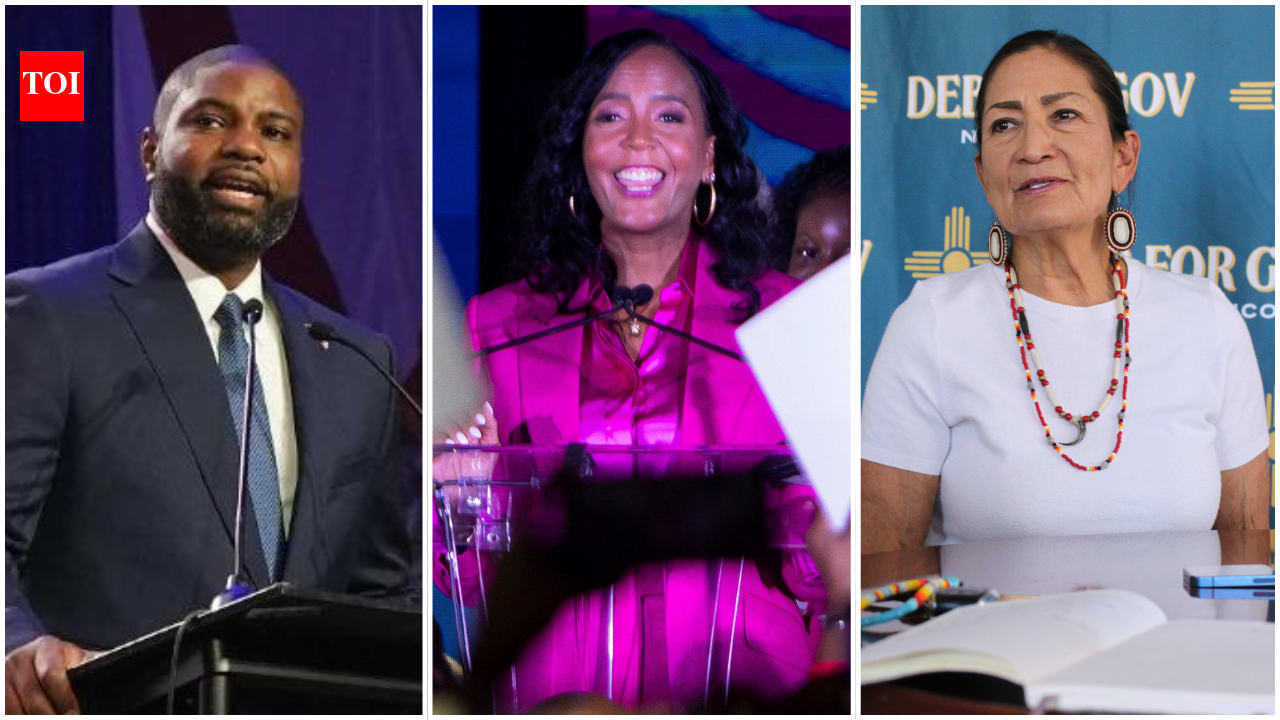
The 2026 US midterm elections marked a historic shift in political representation, with numerous states electing their first Black, Indigenous, Latina, and LGBTQ governors and senators. These results signal a significant demographic transformation in American leadership across both gubernatorial and legislative offices.
A New Era in American Governance: Analyzing the 2026 Midterm Breakthroughs
The 2026 United States midterm elections have fundamentally altered the landscape of American political leadership, characterized by a wave of historic victories that shatter long-standing demographic barriers. Across the nation, voters have propelled candidates from diverse racial, ethnic, and gender backgrounds into gubernatorial and Senate offices, marking a departure from the historical homogeneity that has defined these positions for centuries.
Breaking Gubernatorial Barriers
Perhaps the most striking development is the diversification of state executive branches. The election of Keisha Lance Bottoms as the first Black woman governor in U.S. history, following her victory in Georgia, represents a watershed moment for civil rights and political participation. Similarly, Deb Haaland’s election as the first Native American woman governor in New Mexico signifies a long-overdue recognition of Indigenous leadership at the highest state level. These victories are complemented by the election of Texas' first Latina governor, Gina Hinojosa, and Florida's first Black governor, Byron Donalds, illustrating that these shifts in representation are occurring across geographically and politically diverse regions.
Legislative Shifts and Senate Milestones
Beyond the governor's mansions, the U.S. Senate has seen a parallel evolution. The election of Peggy Flanagan as the first Native American woman to the Senate, alongside the historic wins of Abdul El-Sayed as the first Muslim American senator and Chris Pappas as the first openly gay man to join the chamber, reflects an increasingly pluralistic electorate. Furthermore, regional political norms were challenged as candidates like Adam Hamilton and James Talarico secured Democratic Senate seats in Kansas and Texas, respectively—states that have historically been resistant to such political transitions.
The Significance of Gender Representation
Gender parity in high office also reached new heights. With Amy Klobuchar becoming the first woman governor of Minnesota and Annie Andrews becoming the first woman elected to represent South Carolina in the Senate, the 2026 midterms have effectively eroded barriers that have persisted for generations. These figures serve as symbols of progress, indicating that the American electorate is increasingly prioritizing candidates who reflect the demographic reality of their constituencies.
Contextualizing the Political Realignment
The success of these candidates is not merely a symbolic triumph but a reflection of a deeper political realignment. In states like Georgia, where Keisha Lance Bottoms’ victory ended over two decades of Republican control, the results suggest a mobilization of coalition-based voting blocks. Similarly, the election of figures like Byron Donalds in Florida highlights the complexity of modern political identity, where traditional party lines are being crossed in favor of candidates who offer new perspectives on governance.
Future Implications and Trends
As these newly elected officials assume their roles, the focus will shift to their legislative and executive agendas. Their presence in office will likely influence policy priorities, particularly regarding civil rights, healthcare, and infrastructure, by centering voices that have historically been marginalized. Moving forward, this midterm cycle will be studied as a primary case study in how grassroots organizing and demographic shifts translate into tangible political power, setting a new benchmark for electoral success in the United States.